Table of Contents
Introduction
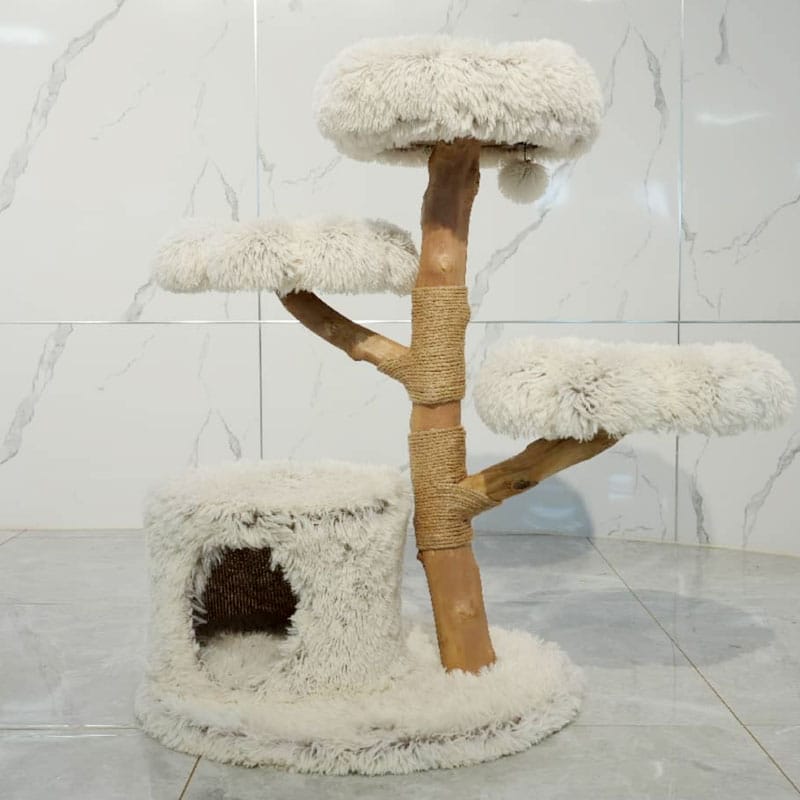
As a professional manufacturer specializing in wooden cat furniture, we’ve witnessed firsthand the dramatic shift in how pet owners approach indoor cat enrichment. With over 95 million pet cats in the United States alone and global pet ownership steadily rising, the demand for quality cat climbing furniture has evolved beyond simple functionality. Modern pet parents want products that serve both their feline companions’ natural behaviors and their home’s aesthetic standards. This growing trend has positioned eco-friendly pet furniture, particularly wood cat trees, at the forefront of the pet industry.
The journey from traditional carpet-covered towers to sophisticated wooden cat furniture represents more than just a style upgrade—it’s a fundamental rethinking of how we integrate pet needs into modern living spaces. As indoor cat furniture continues to gain popularity, understanding what makes wood cat trees superior becomes essential for both retailers and discerning pet owners seeking long-lasting, sustainable solutions.
What Is a Wood Cat Tree?
Basic Definition and Structure
A wood cat tree is a multi-level climbing structure designed specifically for feline enrichment, constructed primarily from wooden materials rather than traditional carpet-covered surfaces. Unlike conventional cat towers that rely on particle board wrapped in synthetic fabrics, wooden cat furniture features a solid wood frame structure that provides exceptional stability and durability. These structures typically range from compact three-tier designs ideal for apartments to elaborate floor-to-ceiling systems that can exceed seven feet in height.
The fundamental difference lies in construction methodology. While carpeted cat trees prioritize soft surfaces, wood cat trees emphasize structural integrity through quality joinery and premium materials. The result is cat climbing furniture that functions as a genuine piece of furniture rather than a temporary pet accessory.
Materials Commonly Used
Premium wood cat trees utilize several material types, each with distinct advantages:
- Solid wood: Oak, pine, maple, and walnut provide unmatched strength and natural beauty. These materials can last decades with proper care.
- High-quality plywood: Engineered specifically for furniture applications, offering consistent quality and resistance to warping
- Natural wood panels: Sustainably sourced materials certified by organizations like FSC (Forest Stewardship Council)
- Bamboo: An eco-friendly alternative gaining popularity for its rapid renewability and durability
The choice of materials directly impacts the product’s lifespan, with solid wood construction typically outlasting particle board alternatives by ten years or more.
Core Design Purpose
Wood cat trees serve multiple essential functions in a cat’s life:
- Climbing: Vertical structures satisfy cats’ instinctual need to ascend and survey their territory from elevated vantage points
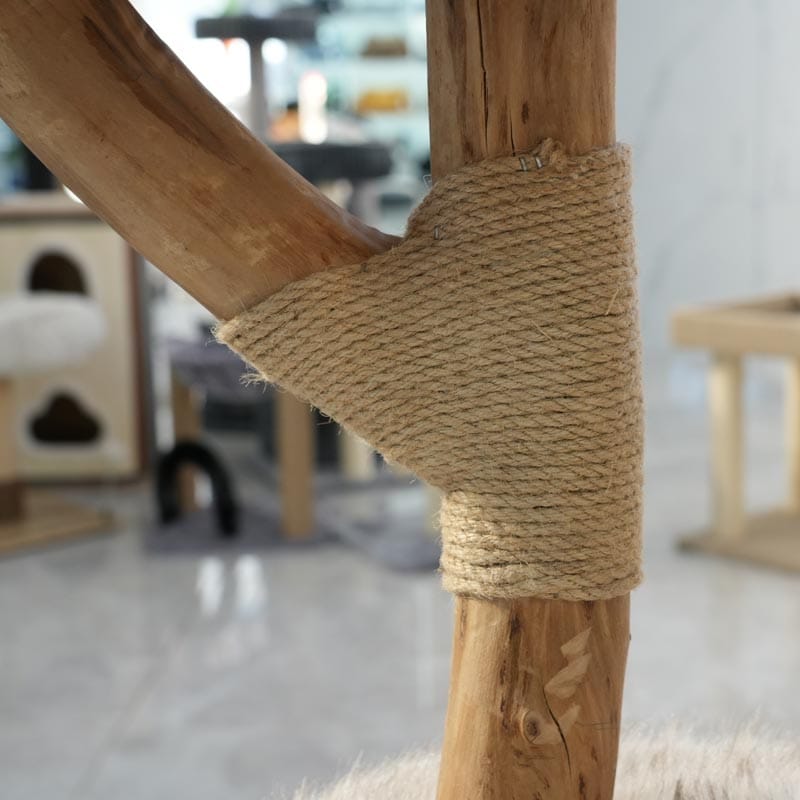
- Scratching: Dedicated sisal-wrapped posts or textured wooden surfaces provide appropriate outlets for claw maintenance
- Resting: Platforms and enclosed condos offer secure spaces for napping and observation
- Multi-level activity space: Varied heights encourage physical exercise and mental stimulation
The thoughtful integration of these elements creates a comprehensive enrichment environment that supports feline physical and psychological well-being.
Why Wood Cat Trees Are Becoming a Global Trend
Shift from Fabric-Based to Wooden Cat Furniture
The pet furniture market has undergone a significant transformation as consumers increasingly reject traditional carpeted towers in favor of modern wooden alternatives. Several factors drive this transition:
- Aesthetic Integration: Contemporary homeowners demand pet products that complement interior design rather than clash with it. Wooden cat furniture seamlessly blends with modern, Scandinavian, industrial, and minimalist décors, appearing as intentional design elements rather than afterthought additions.
- Durability Perception: As consumers become more conscious of disposable culture’s environmental impact, the long-lasting nature of wood cat trees resonates with sustainability-minded buyers. A quality wooden structure can serve multiple cats across their entire lifetimes, whereas carpeted alternatives typically require replacement every 1-2 years.
- Home Decor Integration Trends: Social media platforms like Instagram and TikTok have amplified the demand for photogenic pet spaces. Posts featuring beautifully designed cat environments generate millions of views, creating consumer demand for products worthy of display.
Eco-Friendly and Sustainable Pet Product Demand
Environmental consciousness has become a primary purchasing driver, with over 72% of pet owners considering sustainability when selecting pet products. Wood cat trees align perfectly with this trend through:
- Natural Materials: Wood represents a renewable resource when sourced responsibly, particularly when certified by sustainable forestry organizations
- Reduced Waste: The extended lifespan of wooden furniture significantly decreases landfill contributions compared to frequently replaced alternatives
- Non-Toxic Construction: Premium wood cat trees avoid formaldehyde-laden glues and chemical treatments common in particle board manufacturing
- Recyclable Components: Many wooden designs feature replaceable scratching surfaces and removable cushions, allowing partial replacement rather than complete disposal
Market research indicates that eco-conscious furniture now accounts for over 26% of total cat furniture purchases, with this percentage steadily increasing as environmental awareness grows.
Manufacturing Process of a Wood Cat Tree (Factory Insight)
Raw Material Selection
Quality manufacturing begins with rigorous material selection. Professional manufacturers implement strict grading systems to ensure only premium materials enter production:
- Solid wood grading: Boards are inspected for structural integrity, grain consistency, and absence of defects that could compromise strength
- Safety and durability standards: Materials must meet or exceed regional safety regulations, including formaldehyde emission limits and structural load requirements
- Sustainable sourcing: Documentation proving responsible harvesting practices, with many manufacturers obtaining FSC certification to validate environmental stewardship
This careful selection process ensures the final product can withstand years of active use while maintaining structural integrity.
Cutting, Shaping, and Structural Design
Modern manufacturing employs advanced technology to achieve precision impossible with traditional methods:
- CNC precision manufacturing: Computer Numerical Control machines cut components with tolerances as tight as 0.1mm, ensuring perfect fit during assembly
- Stability engineering: Structural calculations determine optimal base dimensions, post thickness, and platform spacing to prevent tipping even with large, active cats
- Multi-level structure optimization: Engineers analyze climbing patterns to create logical progression between levels, accommodating cats of all ages and abilities
The combination of advanced machinery and expert craftsmanship produces structures that balance aesthetic appeal with engineering excellence.
Surface Finishing and Polishing
The finishing process transforms raw wood into beautiful, safe furniture:
- Non-toxic coatings: Water-based sealants and natural oil finishes protect wood without introducing harmful chemicals into the home environment
- Scratch-resistant treatment: Specialized finishes minimize visible damage while allowing wood to develop natural patina over time
- Smooth edge treatment: All surfaces undergo meticulous sanding and rounding to prevent injury during vigorous play
These treatments enhance durability while maintaining the wood’s natural beauty and ensuring safety for pets and humans alike.
Final Assembly and Quality Inspection
Before shipping, each unit undergoes comprehensive testing:
- Load-bearing testing: Platforms are subjected to weights exceeding maximum expected use (typically 40-50 pounds per level) to verify structural integrity
- Stability and safety checks: Units are tested for tipping resistance, ensuring safety even during energetic activity
- Component verification: All hardware, connectors, and moving parts are inspected for proper fit and function
This rigorous quality control process ensures every wood cat tree meets exacting standards for safety and performance.
Is a Wood Cat Tree Safe for Indoor Cats?
Structural Safety Considerations
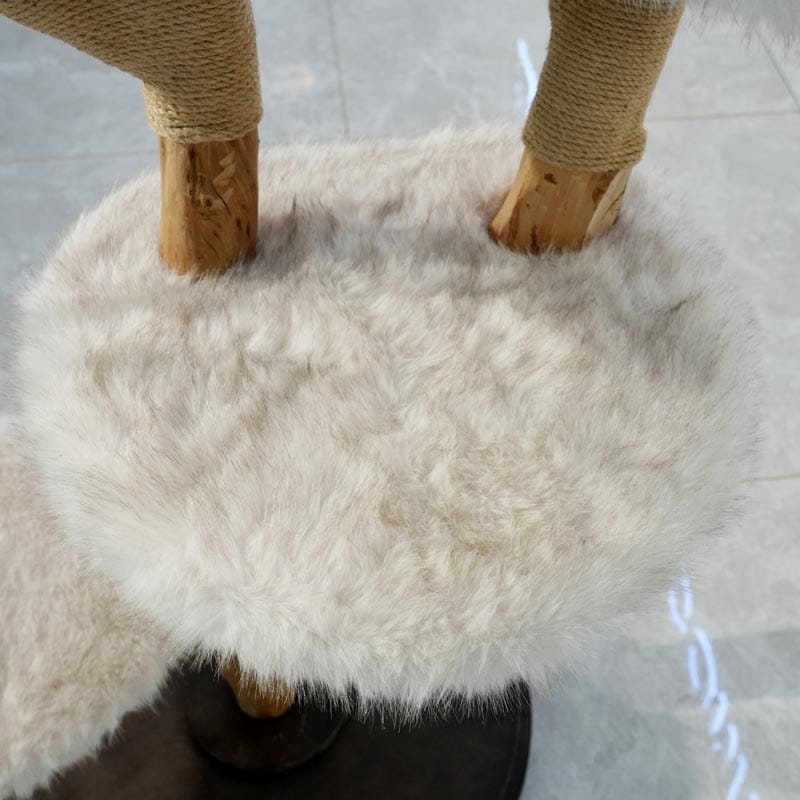
Safety represents the most critical aspect of cat furniture design. Wood cat trees excel in this domain through:
- Anti-tip design: Heavy bases (typically 18-24 inches wide for standard models) and low center of gravity prevent tipping, even with large cats like Maine Coons or Ragdolls
- Rounded edges and cat-friendly structure: All edges are carefully smoothed to prevent injury during jumps, scratches, and enthusiastic play
- Reinforced connections: Industrial-strength hardware and precision joinery create rock-solid connections between components
These safety features provide confidence for both pet owners and their feline companions, encouraging regular use without anxiety about structural failure.
Material Safety Standards
Premium manufacturers prioritize material safety through:
- Non-toxic paint and adhesives: Water-based finishes and formaldehyde-free glues ensure air quality remains uncompromised
- Formaldehyde-free materials: Solid wood construction avoids the off-gassing issues common with particle board alternatives
- Pet-safe certifications: Products undergo testing to verify compliance with regional safety standards, including REACH regulations in Europe and CPSIA requirements in the United States
These precautions protect cats who may chew, scratch, or spend extensive time in contact with the furniture.
Suitability for Kittens and Large Cats
Wood cat trees accommodate felines across the size spectrum:
- Weight capacity differences: Professional models typically support 30-40 pounds per platform, easily accommodating large breeds or multiple cats simultaneously
- Stability for active cats: The solid construction resists wobbling during energetic play, encouraging confident climbing and jumping
- Adjustable configurations: Some modular designs allow platform spacing adjustment as kittens grow into adults
This versatility makes wood cat trees suitable investments that adapt to cats’ changing needs throughout their lives.
Wood Cat Tree vs Traditional Cat Trees
Material Comparison
| Feature | Wood Cat Tree | Traditional Carpet Cat Tree |
|---|---|---|
| Lifespan | 10+ years | 1-2 years |
| Cleaning | Wipe-clean surfaces | Difficult, traps odors |
| Allergen Control | Excellent | Poor, traps dander |
| Aesthetic Appeal | Furniture-grade appearance | Often clashes with décor |
| Environmental Impact | Sustainable materials | Frequent replacement waste |
| Weight Capacity | 30-40+ lbs per platform | 15-20 lbs typically |
| Initial Investment | Higher ($300-800) | Lower ($100-300) |
Durability Comparison
The longevity difference between materials proves substantial:
- Wood vs carpet: Wooden surfaces resist scratching damage that destroys carpet fibers within months
- Lifespan differences: Quality wood cat trees can serve cats for a decade or more, whereas carpeted alternatives typically show significant wear within 6-12 months
- Scratch resistance: While sisal-wrapped posts may need eventual replacement, the wooden framework remains intact, unlike carpeted towers where structural elements deteriorate alongside surfaces
This durability translates to long-term cost savings despite higher initial investment.
Maintenance and Cleaning Differences
Cleaning requirements differ dramatically:
- Wood surfaces: Simple wipe-down with damp cloth removes hair, dust, and accidents without deep cleaning equipment
- Carpet surfaces: Trap allergens, odors, and bacteria within fiber weaves, requiring vacuuming, steam cleaning, or professional treatment
- Hygiene advantages: The non-porous nature of sealed wood prevents odor retention and makes disinfecting straightforward, particularly important for households with allergies or multiple pets
These practical advantages make wood cat trees increasingly popular among health-conscious consumers.
Benefits of Wood Cat Trees for Indoor Cats
Supports Natural Climbing Instincts
Vertical space utilization addresses fundamental feline behaviors:
- Climbing opportunities: Multi-level structures satisfy cats’ instinctual need to ascend and observe from elevated positions
- Confidence building: Stable platforms encourage hesitant cats to explore heights, reducing anxiety and increasing overall activity
- Environmental enrichment: Complex vertical territories provide mental stimulation that prevents boredom-related behavior problems
Research indicates that cats with access to vertical spaces demonstrate lower stress levels and fewer destructive behaviors.
Improves Physical Activity and Health
Regular engagement with cat trees provides essential exercise:
- Muscle tone maintenance: Climbing and jumping strengthen core muscles and maintain joint flexibility
- Weight management: Active play on vertical structures helps prevent obesity, a growing concern among indoor cats
- Joint health: Controlled stretching during climbing maintains mobility and reduces arthritis risk in aging cats
Veterinary studies consistently link environmental enrichment with improved feline physical health markers.
Reduces Furniture Damage
Dedicated scratching surfaces protect household furnishings:
- Appropriate scratching outlets: Sisal-wrapped posts and textured wooden surfaces provide satisfying scratching alternatives
- Behavioral redirection: Cats instinctively prefer appropriate scratching surfaces when readily available
- Claw health: Regular scratching maintains claw condition, preventing overgrowth and related health issues
Homeowners report significant reductions in furniture destruction after introducing quality cat trees with integrated scratching elements.
Enhances Home Aesthetics
Modern furniture-style integration offers multiple benefits:
- Design cohesion: Natural wood finishes complement existing furniture rather than creating visual dissonance
- Conversation pieces: Beautifully designed cat trees become focal points that demonstrate pet-friendly living without compromising style
- Long-term value: Investment-quality pieces enhance home value through lasting beauty and craftsmanship
This aesthetic advantage has transformed pet furniture from hidden necessity to proud home addition.
How to Choose the Best Wood Cat Tree
Size and Layout Selection
Space considerations determine appropriate configurations:
- Small apartments: Compact vertical designs (4-5 feet tall) maximize enrichment while minimizing floor footprint
- Large homes: Expansive floor-to-ceiling systems can incorporate multiple platforms, condos, and bridges
- Corner placement: L-shaped designs optimize often-unused corner spaces while providing varied climbing paths
Careful measurement of available space ensures proper fit and allows for adequate clearance around the structure.
Number of Cats in Household
Multi-cat households require specific features:
- Multiple platforms: Separate perches prevent territorial disputes and allow simultaneous use
- Multiple access points: Various climbing routes accommodate different cats’ preferences and abilities
- Spacious condos: Enclosed areas should accommodate multiple cats if desired
Professional designs typically scale appropriately, with larger models offering more extensive options for multi-cat environments.
Stability and Load Capacity
Engineering strength determines safety:
- Base dimensions: Wider bases (minimum 18 inches for standard models) provide essential tipping resistance
- Weight ratings: Look for explicit load capacity specifications, with quality models supporting 30+ pounds per platform
- Construction quality: Examine joinery, hardware quality, and material thickness to assess durability
For households with large breeds or multiple cats, prioritizing stability prevents potential accidents and ensures long-term satisfaction.
Design Style Matching Home Interior
Aesthetic integration enhances satisfaction:
- Minimalist styles: Clean lines and light woods complement Scandinavian and modern décors
- Rustic designs: Natural finishes and visible grain suit country or farmhouse aesthetics
- Luxury options: Dark woods and premium finishes accommodate upscale traditional interiors
Selecting styles that harmonize with existing décor increases owner satisfaction and ensures the cat tree remains a valued home addition.
Applications in Modern Pet Furniture Market
Residential Use
Home applications continue expanding:
- Indoor living room integration: Primary placement near windows provides entertainment while maintaining design cohesion
- Bedroom and corner placement: Secondary locations offer quiet retreat spaces and utilize often-wasted areas
- Multi-room strategies: Multiple smaller trees can create enriched environments throughout larger homes
Strategic placement maximizes usage while maintaining household flow and aesthetics.
Pet Store and Retail Demand
Retail channels show growing interest:
- High-end pet furniture trends: Premium retailers increasingly stock wooden options to meet consumer demand for quality
- Showroom displays: Beautiful cat trees serve as visual merchandising tools that attract attention and demonstrate product quality
- Education opportunities: In-store displays help consumers understand wooden furniture’s advantages over traditional alternatives
This retail growth reflects broader consumer education and increasing appreciation for premium pet products.
E-Commerce Growth Trends
Online sales channels dominate distribution:
- Increasing online demand: Over 65% of cat furniture sales now occur through e-commerce channels, driven by convenience and variety
- Visual marketing: High-quality images and videos showcase product details and assembly processes
- Review influence: Customer feedback significantly influences purchase decisions, with quality wooden products earning superior ratings
Digital platforms enable manufacturers to reach global audiences while providing detailed product information that aids decision-making.
Why Choose a Direct Wood Cat Tree Manufacturer?
Factory-Direct Pricing Advantage
Eliminating intermediaries provides multiple benefits:
- Cost savings: Direct sales bypass distributor and retailer markups, typically reducing consumer costs by 30-50%
- Customization access: Direct communication enables personalized solutions unavailable through retail channels
- Quality control: Direct oversight ensures manufacturing standards meet specifications without compromise
This direct relationship benefits both buyers and manufacturers through transparency and efficiency.
OEM & ODM Customization Capability
Manufacturing expertise enables bespoke solutions:
- Private label solutions: Retailers can create branded product lines without manufacturing infrastructure investment
- Brand customization opportunities: Custom finishes, sizing, and features differentiate offerings in competitive markets
- Design collaboration: Engineering teams can develop unique solutions addressing specific market needs
These capabilities support business growth while maintaining product quality and differentiation.
Quality Control Advantages
Direct manufacturing oversight ensures consistency:
- Consistent production standards: Uniform processes and materials guarantee predictable quality across production runs
- Better material sourcing control: Direct relationships with suppliers ensure premium material quality and sustainable sourcing
- Rapid issue resolution: Problems can be addressed immediately without communication delays through supply chains
This quality control translates to reliable products that meet or exceed customer expectations consistently.
Custom Wood Cat Tree Solutions for Global Buyers
Custom Size and Structure Design
Tailored solutions address diverse needs:
- Adjustable platforms: Modular designs allow configuration changes based on space or cat preferences
- Modular designs: Scalable systems can expand or contract to fit various environments
- Special requirements: Custom dimensions accommodate unique spaces or specific breed requirements
This flexibility ensures products perfectly match buyers’ specifications and market demands.
Branding and Packaging Options
White-label capabilities support business needs:
- Logo printing: Custom branding creates product recognition and strengthens brand identity
- Custom packaging solutions: Tailored packaging enhances unboxing experience and reduces shipping damage
- Marketing materials: Professional photography and documentation support effective product promotion
These services help buyers establish differentiated market positions while minimizing development costs.
Wholesale and Bulk Order Support
Manufacturing infrastructure supports large-scale orders:
- B2B supply chain advantages: Efficient production processes and material sourcing enable competitive bulk pricing
- Consistent quality across orders: Standardized processes ensure uniformity regardless of order size
- Reliable delivery schedules: Production planning and logistics coordination meet diverse timeline requirements
These capabilities support business growth while maintaining product quality and delivery reliability.
Maintenance Tips for Long-Lasting Use
Daily Cleaning Methods
Simple routines maintain appearance and hygiene:
- Dust and hair removal: Regular wiping with slightly damp cloth removes loose debris and maintains finish
- Vacuum assistance: Soft brush attachments remove hair from crevices and textured surfaces
- Spot cleaning: Immediate attention to accidents prevents staining and odor development
Consistent maintenance preserves appearance and extends product lifespan significantly.
Scratch Surface Maintenance
Scratching elements require periodic attention:
- Replacing scratching parts: Most sisal-wrapped posts can be replaced when worn, restoring functionality
- Rotation strategies: Periodically rotating posts distributes wear more evenly across surfaces
- Encouragement techniques: Catnip and positive reinforcement direct scratching to appropriate areas
Proper maintenance ensures continued scratching behavior on designated surfaces rather than household furniture.
Extending Product Lifespan
Strategic care maximizes longevity:
- Proper indoor placement: Away from direct sunlight and heat sources prevents material degradation
- Periodic hardware inspection: Tightening connections annually maintains structural integrity
- Finish maintenance: Periodic application of manufacturer-recommended products preserves wood appearance
These simple practices can extend a quality wood cat tree’s functional life by years or even decades.
Market Trends of Wood Cat Furniture in 2026
Rising Demand for Minimalist Pet Furniture
Design trends emphasize clean, unobtrusive aesthetics:
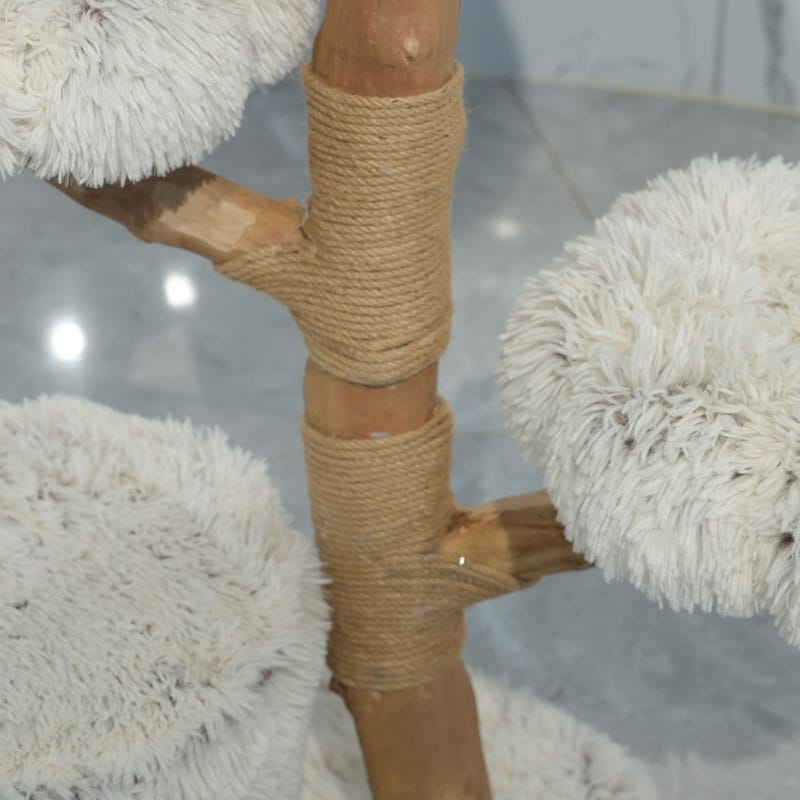
- Clean lines and simple forms: Minimalist designs blend seamlessly with contemporary interiors
- Neutral color palettes: Natural wood tones and subtle finishes complement diverse décors
- Multi-functionality: Pieces that serve both pet and human purposes gain popularity
This trend reflects broader interior design movements emphasizing simplicity and intentional living.
Integration of Home Décor and Pet Products
Boundary blur between pet and human furniture continues:
- Unified aesthetics: Pet furniture increasingly matches human furniture in style and quality
- Hidden functionality: Designs that incorporate pet features discreetly gain acceptance
- Quality parity: Consumers expect pet furniture to match human furniture’s construction standards
This integration reduces the stigma traditionally associated with pet products in home design.
Growth of Eco-Conscious Pet Ownership
Sustainability drives purchasing decisions:
- Material transparency: Consumers increasingly demand information about sourcing and environmental impact
- Long-term value thinking: Buyers calculate total cost of ownership over product lifespan rather than initial price
- Certification importance: Third-party verification of environmental claims influences purchase decisions
This consciousness transforms pet products from disposable commodities to thoughtful investments.
Conclusion
The evolution of cat furniture from simple carpeted towers to sophisticated wooden cat trees represents more than just a market trend—it reflects a fundamental shift in how we view pets as family members deserving of quality environments. As manufacturers, we’ve witnessed how wood cat trees transform homes, providing cats with enriching vertical territories while enhancing human living spaces through beautiful design.
The benefits extend far beyond aesthetics. Scientific research supports the positive impact of environmental enrichment on feline behavior and health. Veterinary studies consistently demonstrate that cats with access to appropriate climbing and scratching surfaces exhibit fewer behavior problems and better physical condition indicators. When these structures are crafted from safe, sustainable materials and built to last, the benefits multiply across environmental, economic, and animal welfare dimensions.
Market data confirms this trajectory. With the global cat furniture market growing at over 12% annually and sustainable product segments expanding even faster, wood cat trees represent the future of indoor pet enrichment. Consumers increasingly recognize that investing in quality means investing in their cats’ well-being, their home’s beauty, and environmental stewardship simultaneously.
For businesses considering entering or expanding in this market, the opportunities are substantial. E-commerce growth, rising pet humanization, and increasing environmental consciousness create favorable conditions for quality manufacturers. Success requires commitment to material quality, structural engineering, and design aesthetics—but the rewards include loyal customers, premium positioning, and contribution to both pet and planetary health.
Ultimately, wood cat trees exemplify how thoughtful design can serve multiple stakeholders: cats receive enrichment that honors their natural instincts, owners gain beautiful functional pieces that enhance their homes, and the environment benefits from sustainable, long-lasting products. As this market continues evolving, manufacturers who balance quality, innovation, and responsibility will shape the future of indoor pet living spaces for generations to come.
FAQ
Q: What makes a wood cat tree better than traditional carpeted ones?
A: Wood cat trees offer superior durability (10+ years vs. 1-2 years), easier maintenance with wipe-clean surfaces, better aesthetics that blend with home décor, and superior stability for large cats. They’re also more hygienic since they don’t trap allergens and odors like carpet does.
Q: Are wood cat trees safe for large cats like Maine Coons?
A: Yes, quality wood cat trees are specifically engineered for large breeds. Professional models typically support 30-40 pounds per platform, feature wide bases (18-24 inches) for tipping resistance, and use reinforced connections to ensure stability during vigorous activity.
Q: How do I clean and maintain a wood cat tree?
A: Simply wipe surfaces with a damp cloth for daily cleaning. Unlike carpeted towers, wood doesn’t trap hair or odors. For scratching posts, most manufacturers offer replacement sisal wraps when worn. Periodic tightening of hardware (every 3-6 months) maintains structural integrity.
Q: Why are wood cat trees more expensive initially?
A: Higher costs reflect premium materials (solid wood vs. particle board), skilled craftsmanship, and superior construction. However, wood cat trees are more economical long-term since they last 5-10 times longer than carpeted alternatives, reducing replacement frequency and waste.
Q: Will my cat actually use a wood cat tree instead of scratching my furniture?
A: Yes, cats instinctively prefer the textured, resistant surfaces of wood and sisal for scratching. The natural feel mimics tree bark, which cats are drawn to in the wild. Providing appropriate scratching outlets on a stable, attractive structure effectively redirects scratching behavior away from household furniture.