Table of Contents
Introduction
The global pet furniture market is experiencing explosive growth, projected to exceed $8 billion by 2026. This surge is driven by multiple factors reshaping how consumers think about their feline companions’ living environments.
Indoor cat ownership continues to rise across North America, Europe, and Asia-Pacific, creating unprecedented demand for quality cat tree furniture. Pet owners no longer view cat furniture as mere accessories—they consider them essential investments in their pets’ health and happiness.
B2B buyers face distinct challenges compared to individual pet owners. While end consumers prioritize aesthetics and price, commercial buyers must balance quality, compliance, customization options, and long-term supplier relationships. This guide addresses those specific needs from a manufacturer’s perspective.
Google increasingly favors manufacturer-originated content because it demonstrates genuine expertise and direct industry knowledge. When you read insights from an actual factory, you’re getting unfiltered access to production realities that trading companies simply cannot provide.
What Is Cat Tree Furniture and Why It Matters for Cats
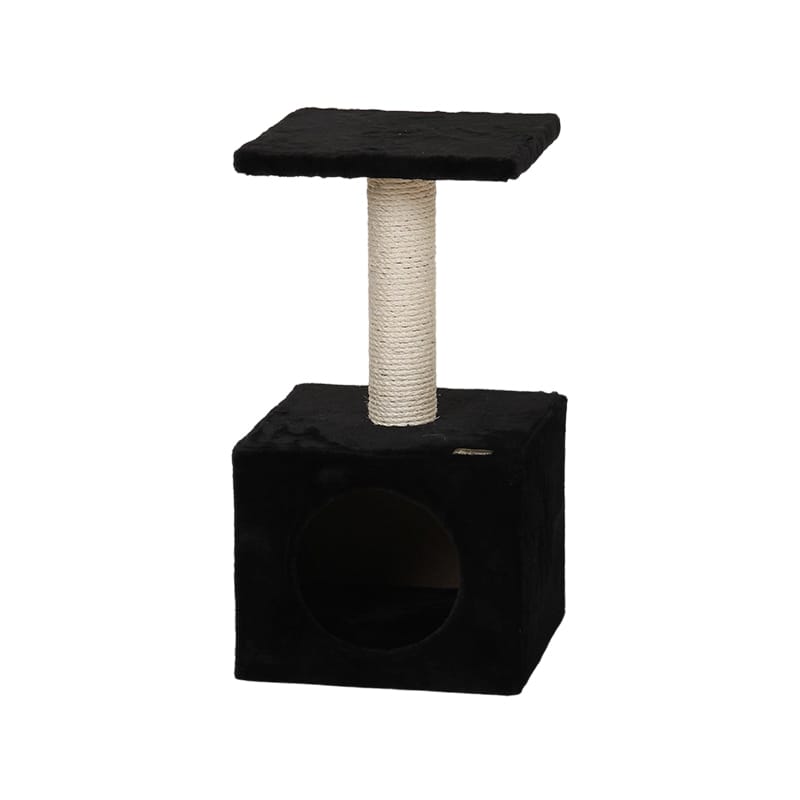
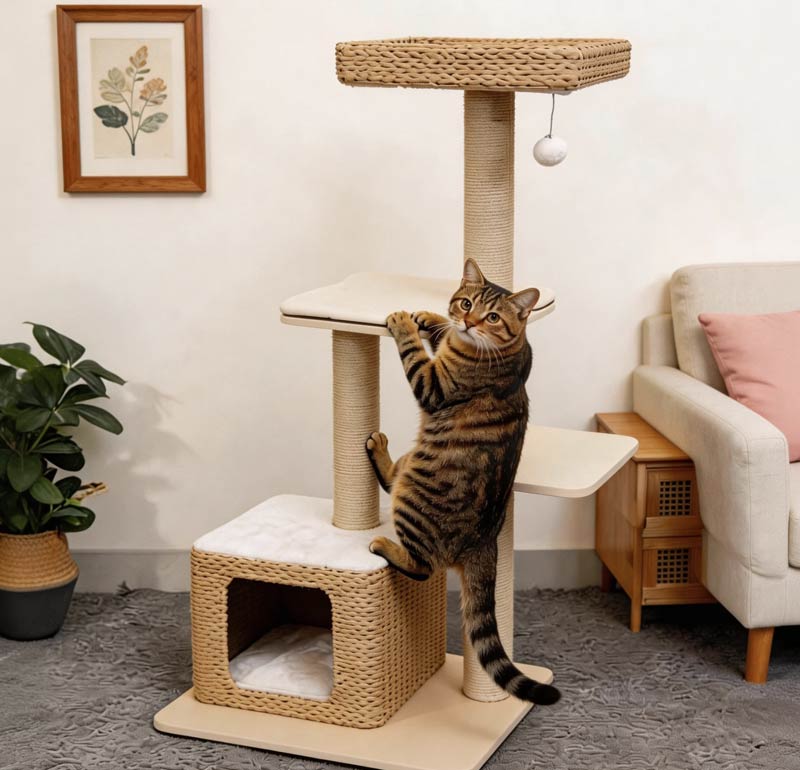
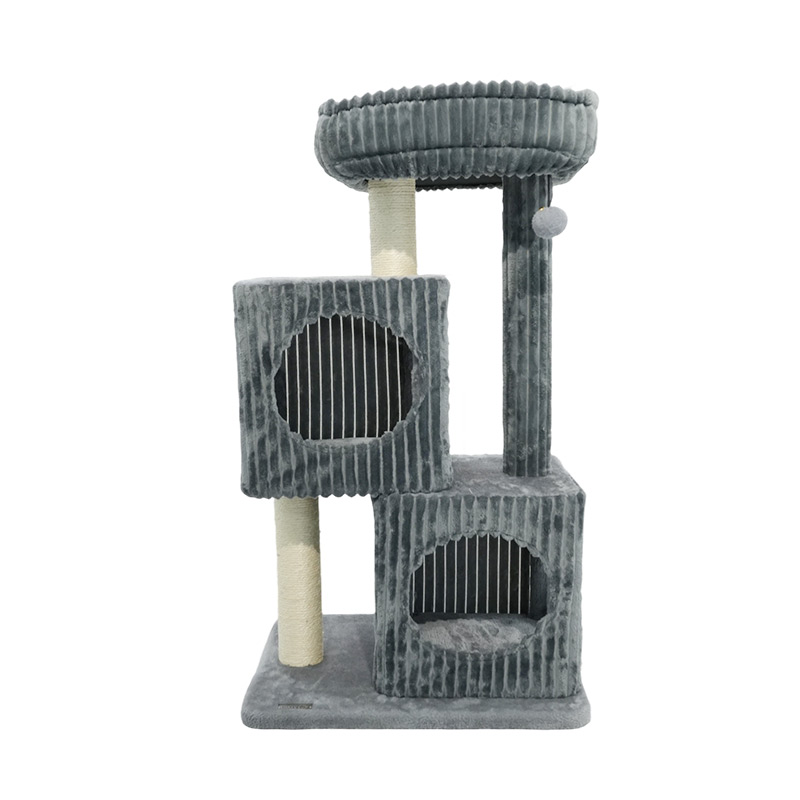
Cat tree furniture refers to multi-level structures designed to satisfy cats’ natural climbing, scratching, and resting instincts. Unlike basic pet toys, these comprehensive units create vertical territories that transform indoor environments.
Three core functions define quality cat tree furniture:
Scratching: Natural sisal rope posts allow cats to maintain claw health while protecting household furniture from damage.
Climbing: Multiple platforms at varying heights provide exercise opportunities and satisfy feline territorial instincts.
Resting: Elevated perches and enclosed condos offer secure sleeping spaces where cats feel safe and comfortable.
Research shows that properly designed cat furniture reduces stress-related behavioral problems by up to 65%. Cats without adequate vertical space often exhibit anxiety, inappropriate scratching, and territorial aggression—issues that disappear when their environmental needs are met.
The difference between cat tree furniture and ordinary cat toys lies in scope and impact. While toys provide temporary entertainment, cat trees fundamentally enhance daily living quality by addressing biological imperatives.
Cat Tree Furniture Manufacturer Role in Product Quality
Direct manufacturers control every aspect of product quality, from raw material selection to final packaging. This control translates into tangible benefits for buyers who understand the supply chain dynamics.
Understanding manufacturing relationships matters:
OEM (Original Equipment Manufacturing): We produce according to your specifications, using your branding and design requirements.
ODM (Original Design Manufacturing): We provide both design and production, allowing you to choose from existing models or modify them for your market.
Private Label: We manufacture products that you brand and sell as your own, with full customization control.
Direct factory partnerships eliminate intermediary markups typically ranging from 15-30%. More importantly, they ensure quality consistency because manufacturers maintain complete production oversight rather than delegating to third-party facilities.
Trading companies add costs without adding value to the manufacturing process itself. They cannot match direct factories’ ability to customize quickly, maintain quality control, or provide transparent production timelines.
Materials Used in High-Quality Cat Tree Furniture
Material selection directly determines product longevity, safety, and market positioning. Understanding material differences helps buyers make informed sourcing decisions.
| Material Type | Durability | Cost | Weight Capacity | Environmental Impact |
|---|---|---|---|---|
| Solid Wood | Excellent (8-10 years) | High | 150+ lbs | Sustainable with FSC certification |
| Plywood | Good (5-7 years) | Medium | 120-150 lbs | Moderate, formaldehyde-free options available |
| MDF | Fair (3-5 years) | Low | 80-120 lbs | Concerns about formaldehyde emissions |
Natural sisal rope remains the industry standard for scratching posts due to its durability and appeal to cats. Quality sisal maintains integrity for 3-5 years under heavy use, significantly outperforming carpet alternatives.
Plush fabric selection impacts both comfort and maintenance. Premium plush materials resist matting, maintain softness through washing, and withstand daily wear without degrading. We use only hypoallergenic fabrics meeting international safety standards.
Eco-friendly cat furniture trends are accelerating, with 58% of consumers now prioritizing sustainable materials. FSC-certified wood, recycled sisal, and formaldehyde-free adhesives represent the new quality benchmarks.
Cat Tree Furniture Design Types for Different Markets
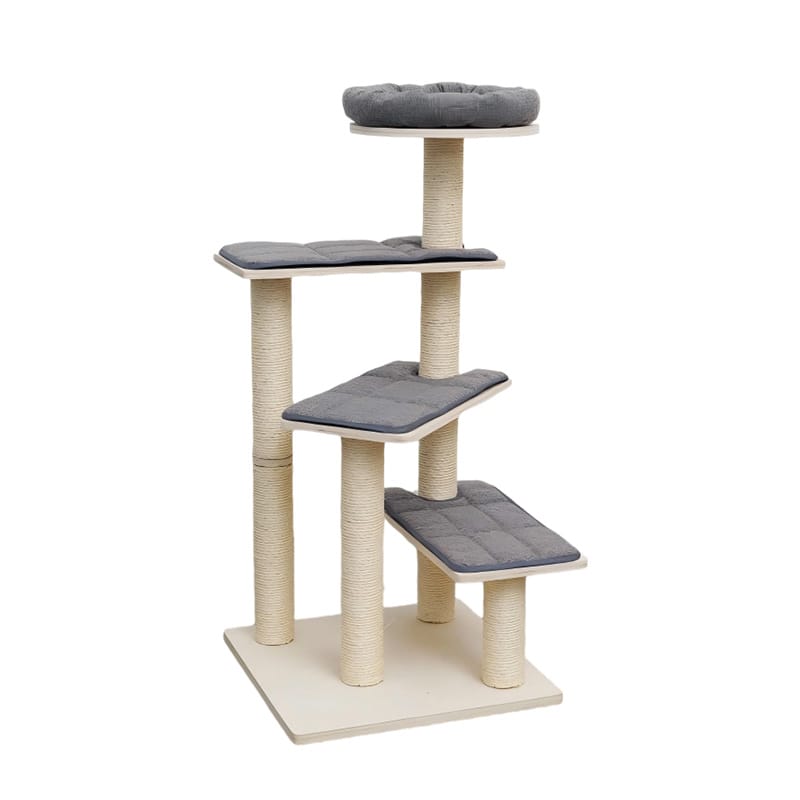
Different markets demand different design approaches. Understanding regional preferences helps buyers select products that resonate with their target customers.
Modern Cat Tree Furniture: Clean lines, neutral colors, and minimalist aesthetics appeal to urban consumers who view pet furniture as home décor. This segment grows 22% annually.
Wall-Mounted Cat Tree Furniture: Space-efficient designs perfect for apartments and smaller homes. Wall-mounted systems eliminate floor space requirements while providing full climbing functionality.
Multi-Level Cat Tree Furniture: Traditional tower designs offering multiple platforms, condos, and scratching posts. These remain the best-selling category for multi-cat households.
Luxury Cat Tree Furniture: Premium materials like solid oak, walnut, and designer fabrics target high-income consumers willing to invest in statement pieces. This segment shows the highest profit margins.
Large Cat Tree Furniture: Reinforced structures designed for Maine Coons, Ragdolls, and other large breeds. These require wider bases, thicker posts, and higher weight capacities.
Manufacturing Process of Cat Tree Furniture (Factory Insight)
Understanding our manufacturing process helps buyers appreciate quality standards and plan their sourcing timelines.
Raw Material Procurement: We source only certified materials—FSC wood, hypoallergenic fabrics, and natural sisal. Every batch undergoes quality testing before production begins.
Cutting and Assembly: Precision cutting ensures component consistency. Automated machinery handles repetitive cuts while skilled craftsmen manage complex assembly work requiring attention to detail.
Quality Control Inspection: Multi-stage inspection includes structural stability testing, material safety verification, and visual quality assessment. Products failing any checkpoint return to production for correction.
Packaging and Export Preparation: Professional packaging protects products during international shipping. We use reinforced cartons, corner protectors, and clear assembly instructions to minimize damage rates and customer complaints.
Bulk Production Workflow: Our production line handles orders from 100-unit samples to 50,000-unit bulk shipments. Lead times range from 15-25 days depending on order complexity and customization requirements.
How to Choose a Reliable Cat Tree Furniture Supplier
Selecting the right supplier determines long-term business success. Critical evaluation criteria separate reliable partners from risky suppliers.
Factory Certification and Production Capacity: Verify ISO, BSCI, or other quality management certifications. Request production capacity documentation and visit facilities when possible.
Customization Ability (OEM/ODM Support): Evaluate design capabilities, sample production speed, and willingness to modify existing designs. Strong OEM/ODM partners accelerate your time-to-market.
Sample Evaluation Importance: Always order samples before bulk production. Test structural stability, material quality, and assembly processes. Sample quality predicts bulk production consistency.
Export Experience for Global Buyers: Suppliers with established export experience understand documentation requirements, shipping logistics, and quality standards for different markets.
Pricing vs. Quality Balance: Extremely low prices often indicate material compromises or quality shortcuts. Calculate total cost of ownership, including replacement rates and customer satisfaction impact.
Cat Tree Furniture Wholesale and OEM Opportunities
The wholesale cat tree furniture market offers substantial opportunities for distributors and retailers who understand market dynamics.
Wholesale buyers increasingly demand customization options. Private label cat furniture allows retailers to build brand recognition while maintaining competitive pricing through direct factory relationships.
MOQ (Minimum Order Quantity) considerations vary by product complexity and customization level. Standard designs typically require 100-300 units, while fully custom designs may require 500+ units to justify tooling and setup costs.
Long-term cooperation benefits include priority production scheduling, preferential pricing, exclusive design access, and dedicated account management. These advantages compound over time, creating significant competitive edges.
Common Problems in Low-Quality Cat Tree Furniture
Understanding common quality issues helps buyers identify and avoid substandard products.
Instability and Safety Risks: Tipping accidents injure cats and damage homes. Quality cat trees maintain stability under dynamic loads through proper base design and weight distribution.
Poor Material Durability: Thin fabrics tear quickly, particle board warps under humidity, and cheap sisal shreds within months. These issues generate customer complaints and returns.
Weak Scratching Post Structure: Posts that wobble or detach from bases frustrate cats and reduce product lifespan. Proper post attachment requires internal reinforcement, not just surface gluing.
Odor and Fabric Quality Issues: Chemical odors from low-quality adhesives and fabrics indicate potential health hazards. All materials should meet VOC emission standards.
Short Product Lifespan: Budget cat trees often require replacement within 6-12 months, while quality units last 5-7 years. Calculate total cost of ownership before making purchasing decisions.
How Our Factory Produces Durable Cat Tree Furniture
Our commitment to quality extends through every production stage, ensuring products that satisfy both retailers and end consumers.
Strict Quality Control System: Every production batch undergoes structural testing, material safety verification, and dimensional accuracy checks before shipping.
Reinforced Structure Design: Internal metal brackets, double-thick bases, and reinforced post connections ensure stability even under aggressive use by large, active cats.
Upgraded Sisal Rope Durability Testing: We use only premium-grade sisal tested for tensile strength and abrasion resistance. Our scratching posts maintain integrity 2-3 times longer than industry averages.
Modern Production Equipment Advantages: Automated cutting, precision drilling, and quality monitoring systems ensure consistency across large production runs.
Export Packaging Protection Standards: ISTA-certified packaging protects products during international shipping. Damage rates below 0.5% demonstrate our packaging effectiveness.
Market Trends of Cat Tree Furniture in 2026
Staying ahead of market trends helps buyers anticipate demand and position their product offerings strategically.
Rising Demand for Modern Home-Style Pet Furniture: Consumers increasingly reject traditional carpet-covered towers in favor of designs that complement contemporary interiors.
Customization Becoming a Key Buying Factor: 64% of consumers express willingness to pay premium prices for customizable options, including color selection, platform configuration, and material choices.
Sustainable Materials Trend Growth: Eco-conscious purchasing decisions now influence over half of all cat furniture sales, driving demand for recycled, renewable, and non-toxic materials.
E-Commerce and Amazon-Driven Demand: Online channels now account for 67% of cat furniture sales. Products optimized for e-commerce photography and assembly simplicity gain competitive advantages.
Global Wholesale Expansion Opportunities: Emerging markets in Southeast Asia, Middle East, and Latin America show rapid growth in pet ownership, creating new wholesale opportunities for prepared suppliers.
Why Direct Cat Tree Furniture Manufacturer Is the Best Choice
Direct manufacturer partnerships provide advantages that intermediaries cannot match.
Cost Efficiency for Buyers: Eliminating intermediary markups reduces costs by 15-30%, allowing retailers to offer competitive pricing or improve profit margins.
Stable Supply Chain Advantages: Direct relationships ensure production priority, transparent timelines, and reliable delivery schedules.
Faster Customization and Development: Direct communication with production teams accelerates design iterations and reduces time-to-market for new products.
Better Quality Control Compared to Trading Companies: Manufacturers maintain complete production oversight, ensuring consistent quality rather than delegating to unknown third-party facilities.
Long-Term Cooperation Benefits: Established partnerships create mutual value through exclusive designs, preferential pricing, and collaborative product development.
Conclusion
Choosing the right cat tree furniture manufacturer determines your business’s ability to compete in a rapidly growing market. Direct factory partnerships offer superior quality control, customization flexibility, and cost efficiency that trading companies cannot match.
As global demand for quality cat furniture continues expanding, manufacturers who combine technical expertise with responsive service will emerge as the preferred partners for forward-thinking retailers and distributors.
The difference between mediocre and exceptional cat tree furniture lies in material quality, construction integrity, and manufacturer commitment to exceeding rather than merely meeting standards.
FAQ
Q: What materials should I look for in quality cat tree furniture?
A: Prioritize solid wood or high-grade plywood frames, natural sisal rope for scratching posts, and hypoallergenic plush fabrics. Avoid products using particle board or thin carpet materials.
Q: How does OEM differ from ODM in cat tree manufacturing?
A: OEM means we manufacture to your specific design requirements. ODM means we provide both designs and manufacturing, allowing you to choose or modify existing models.
Q: What’s the typical lifespan of quality cat tree furniture?
A: Premium cat trees using solid wood and natural sisal typically last 5-7 years under normal use. Budget models often require replacement within 12-18 months.
Q: Do you offer customization for international buyers?
A: Yes, we provide full customization including dimensions, colors, materials, and packaging. We also assist with compliance documentation for different markets.
Q: What certifications should reliable cat tree manufacturers have?
A: Look for ISO quality management certification, BSCI social compliance certification, FSC certification for wood sourcing, and product safety testing compliance for your target markets.