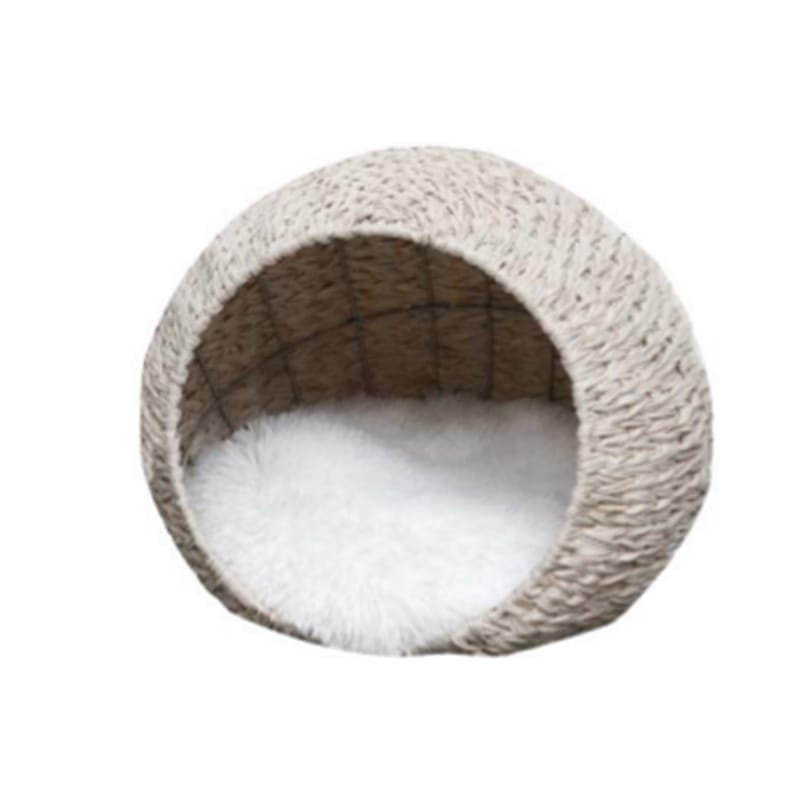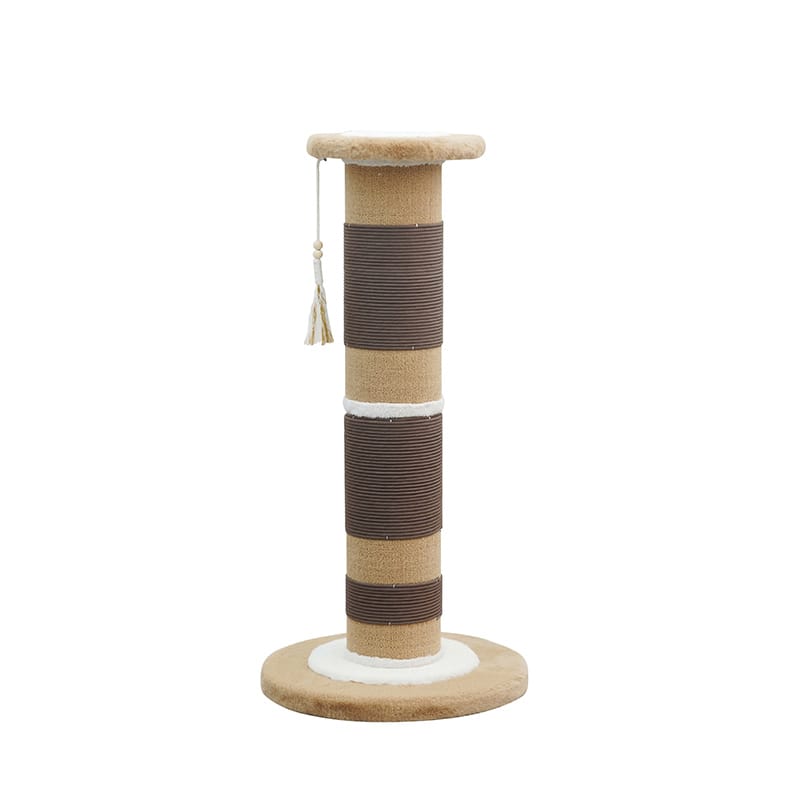
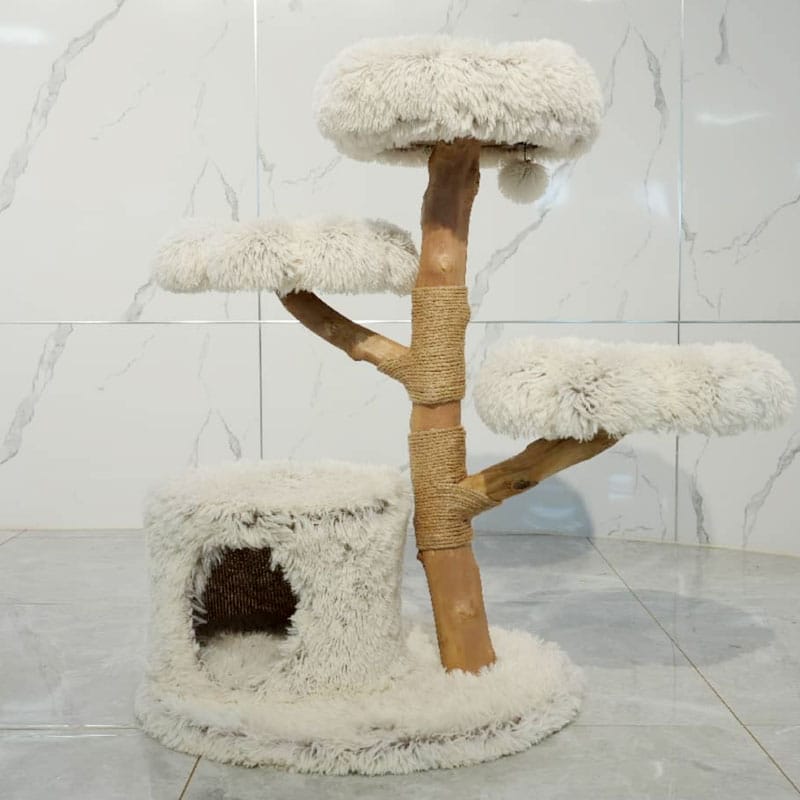
The demand for woodworking cat tree products has changed more in the past few years than most people realize. What used to be a simple “pet accessory” has slowly turned into something closer to interior furniture—items that are expected to look good in a living room, perform under daily use, and still be safe for pets with very different activity levels.
From a manufacturing point of view, this shift is not just aesthetic. It has completely changed how cat furniture is designed, tested, and produced.
This article breaks down how the category has evolved, what actually matters in real production, and why more brands are now moving toward solid wood structures instead of traditional materials.
Table of Contents
Why Woodworking Cat Trees Are Suddenly Everywhere
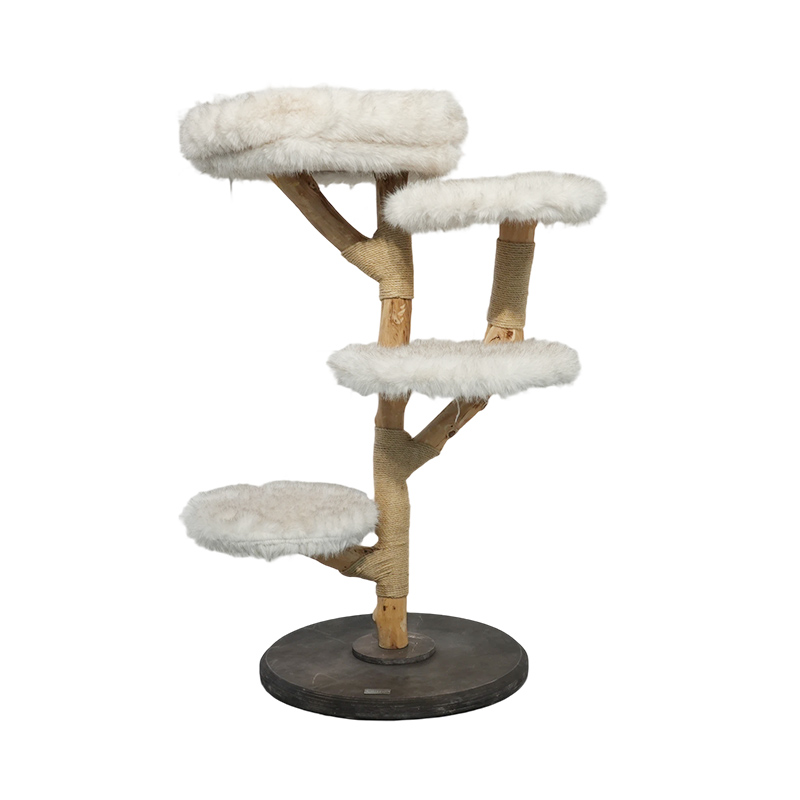
It’s easy to assume this trend is just about design. But the reality is more practical.
Cat owners are dealing with three consistent problems:
- unstable cat towers after a few months of use
- materials that wear out quickly or shed fibers
- furniture that doesn’t match modern home interiors
Wood-based structures solve these issues in a more permanent way.
A woodworking cat tree is not just “another style.” It reflects a wider shift in pet ownership—cats are now treated as part of the living space, not separate from it.
This is why searches around modern wooden cat tree, solid wood cat tower, and cat furniture design continue to grow steadily.
What Actually Makes a Wood Cat Tree Different
From a manufacturing standpoint, the difference is not just material. It’s structural logic.
A proper wooden cat tree usually focuses on:
- load-bearing stability instead of lightweight frames
- thicker base support to reduce tipping risk
- joinery systems instead of simple glue assembly
- surface finishing that blends with furniture interiors
Compared to fiber-based or fabric-heavy alternatives, wood allows a much more controlled structure. That’s especially important for multi-cat households where movement is constant and unpredictable.
One detail often overlooked is vibration control. Wood naturally absorbs impact better, which is why well-built structures feel more stable even after long-term use.
Design Direction: Why Modern Cat Furniture Looks the Way It Does
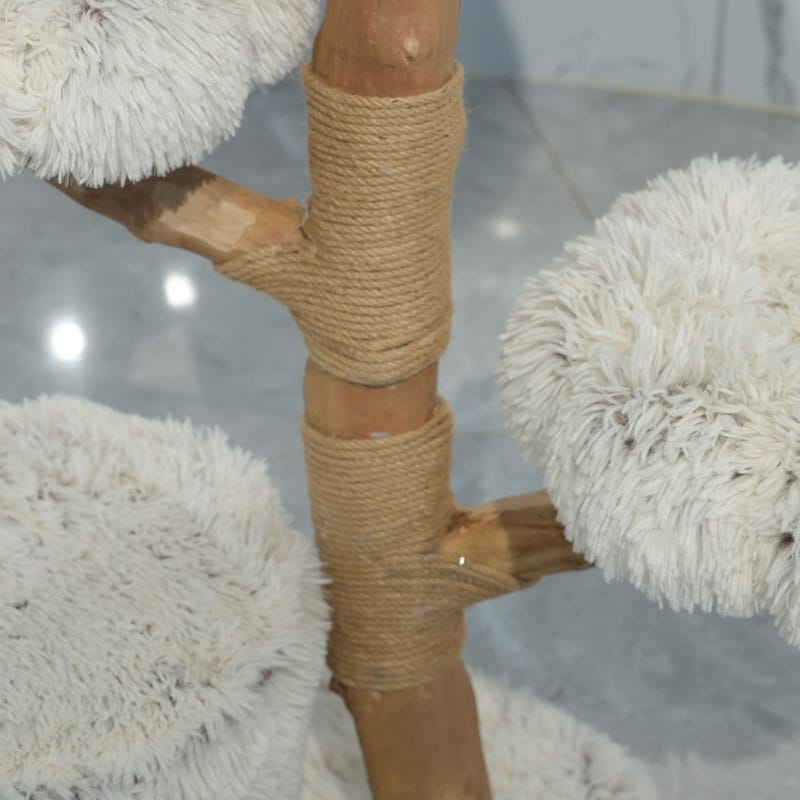
If you look at trending designs in pet furniture today, there is a clear direction: simplicity with function.
Most modern woodworking cat tree designs fall into a few categories:
- vertical climbing systems for active cats
- wall-integrated structures that save floor space
- modular platforms that can be expanded over time
- minimalist single-column designs for modern interiors
- multi-level structures for households with multiple cats
What’s interesting is that these designs are no longer driven only by pet behavior. Interior design trends now play a major role.
Scandinavian and Japandi-style homes, for example, have pushed demand toward lighter visual structures, natural finishes, and reduced visual clutter.
How a Wooden Cat Tree Is Actually Built in Production
There’s often a gap between what people imagine and what happens in real manufacturing.
A proper production process usually follows a more controlled sequence:
Material selection comes first.
Not all wood behaves the same. Density, moisture stability, and grain direction all affect long-term durability.
Structural planning is next.
This is where load paths are defined. Where weight goes, how movement is distributed, and which joints need reinforcement.
Precision cutting and shaping.
At this stage, accuracy matters more than speed. Misalignment at this point creates instability later.
Assembly and reinforcement.
Unlike simple furniture, cat structures must handle repetitive dynamic force—jumping, scratching, and climbing.
Surface finishing.
The goal is not only appearance. It’s also resistance to wear and long-term surface stability.
Final inspection.
Each structure is typically tested for wobble, balance, and load distribution before it moves forward.
This is where factory-level production differs significantly from DIY builds.
DIY Builds vs Manufactured Wood Cat Trees
DIY cat trees have become popular, especially through online tutorials. And in some cases, they work well.
But there are clear differences when compared to professionally manufactured structures.
DIY builds tend to focus on creativity and flexibility. However, they often lack:
- consistent structural load calculations
- long-term stability testing
- standardized material control
Manufactured systems, on the other hand, prioritize repeatability. The same design can be produced consistently with predictable strength and durability.
For individual use, DIY can be enough. But for retail, branding, or multi-unit use, consistency becomes more important than experimentation.
Custom Manufacturing for Pet Brands and Retail Buyers
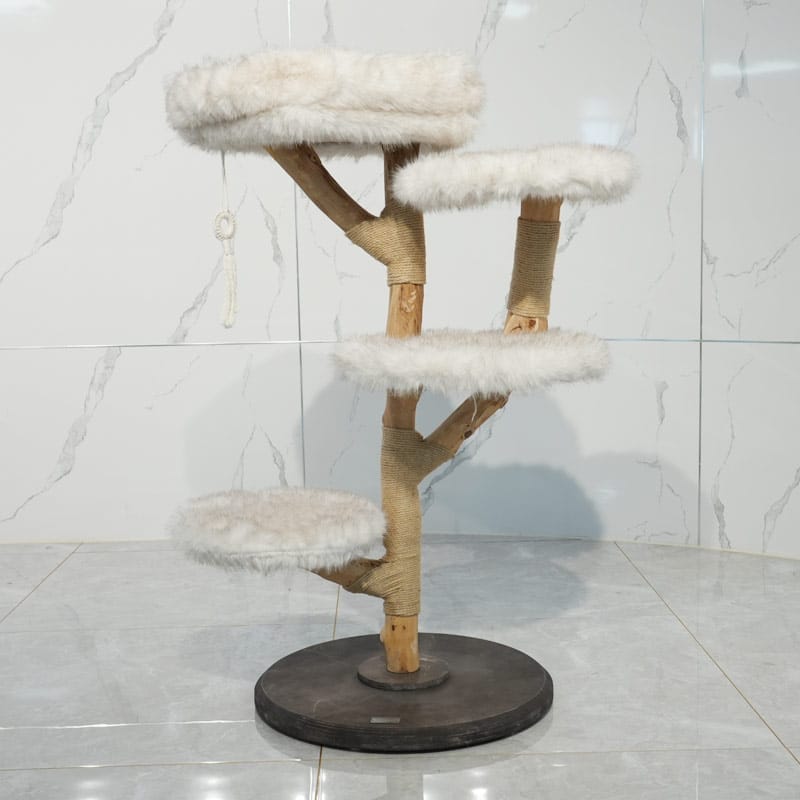
One of the strongest trends in this category is customization.
Instead of standard designs, many buyers now request tailored structures based on their market positioning.
Common customization requests include:
- adjusted height and platform spacing
- integrated scratching zones
- material and color matching for interiors
- branded surface finishing
- structural redesign for specific cat sizes
This is where OEM and ODM production becomes important.
It allows brands to enter the market without building production systems from scratch, while still maintaining design identity.
Wholesale Supply and Global Sourcing Reality
The supply chain for woodworking cat tree products is more global than it appears.
Most bulk sourcing decisions come down to three factors:
- consistency across production batches
- structural reliability during transport
- adaptability for different regional markets
Buyers who source directly from manufacturers usually prioritize long-term stability over short-term flexibility.
Packaging, assembly design, and export readiness also play a larger role than many first-time buyers expect.
What Defines a Reliable Manufacturer in This Category
Not all suppliers operate at the same level, especially in pet furniture manufacturing.
A reliable woodworking cat tree manufacturer is usually defined by:
- control over raw material sourcing
- structured production workflows instead of manual-only assembly
- ability to scale designs without quality loss
- clear testing and inspection standards
- experience in export markets
In this category, experience matters because small structural mistakes become large safety issues over time.
Where the Market Is Moving Next
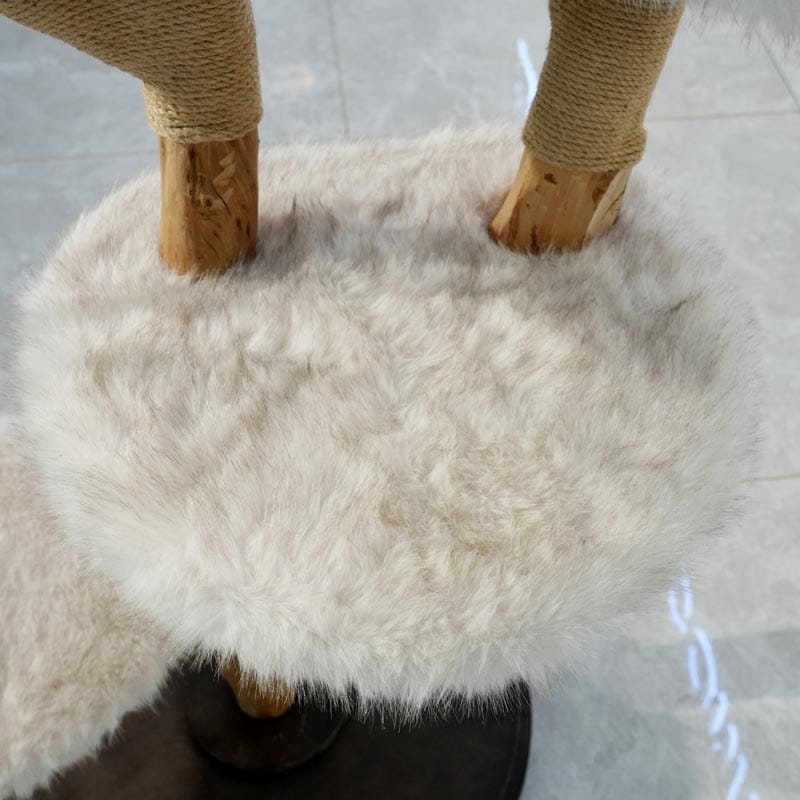
The direction of woodworking cat furniture is becoming easier to predict.
Three clear trends are already shaping future demand:
First, furniture is becoming more integrated with interior design rather than standing as separate pet equipment.
Second, modular systems are gaining attention because they allow flexibility as pets grow or homes change.
Third, sustainability is no longer optional. Buyers are increasingly asking about material sourcing and long-term environmental impact.
These changes are pushing manufacturers to think less about single products and more about complete systems.
Conclusion
The woodworking cat tree category is no longer just about building something for cats to climb. It has become part of a wider shift in how pet furniture fits into modern living spaces.
What matters most today is not only appearance, but also structure, durability, and the ability to adapt to different user needs.
For brands and distributors, working with a manufacturing-focused partner allows for more control over consistency, design flexibility, and long-term product development. As the market continues to evolve, products that balance function and interior design will remain at the center of demand.
FAQ
Q1: What is a woodworking cat tree?
A woodworking cat tree is a cat furniture structure made mainly from solid wood or engineered wood, designed for climbing, scratching, resting, and improving indoor pet activity space.
Q2: Why are wooden cat trees better than fabric or plastic ones?
Wooden cat trees offer stronger stability, longer durability, and a more natural look that fits modern home interiors. They are less likely to wobble or wear out quickly compared to lighter materials.
Q3: Are woodworking cat trees safe for large cats?
Yes, when properly designed and manufactured. Solid wood structures provide better load-bearing support, making them suitable for larger or more active cat breeds.
Q4: Can a woodworking cat tree be customized for different designs?
Yes. Many manufacturers offer customization in size, structure, color, and layout to match different interior styles or brand requirements.
Q5: Is it better to build a DIY cat tree or buy from a manufacturer?
DIY builds are suitable for personal projects, but manufactured cat trees provide better structural consistency, safety testing, and long-term durability, especially for commercial or multi-cat use.