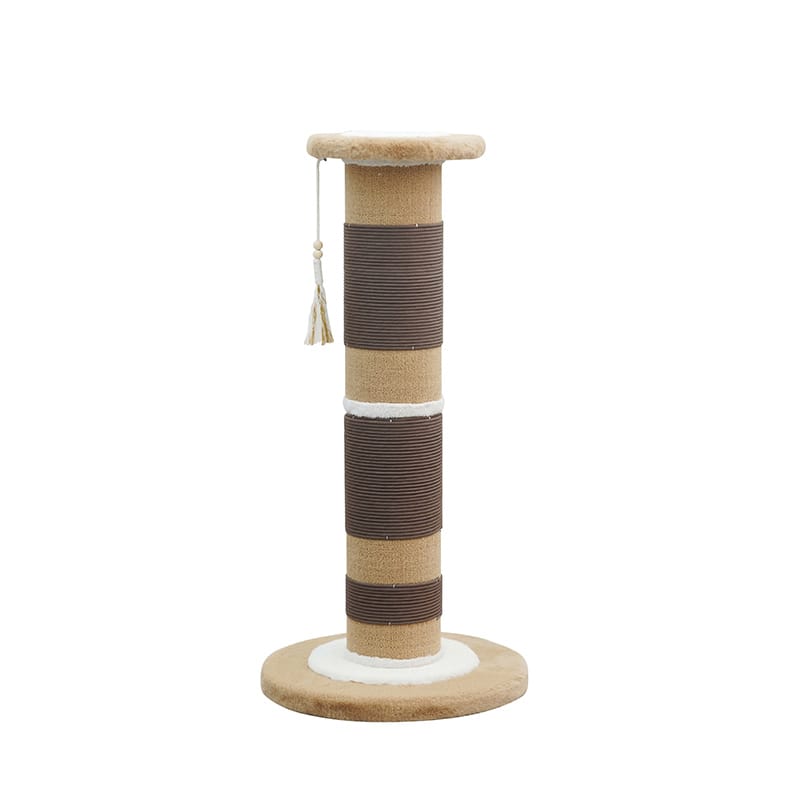
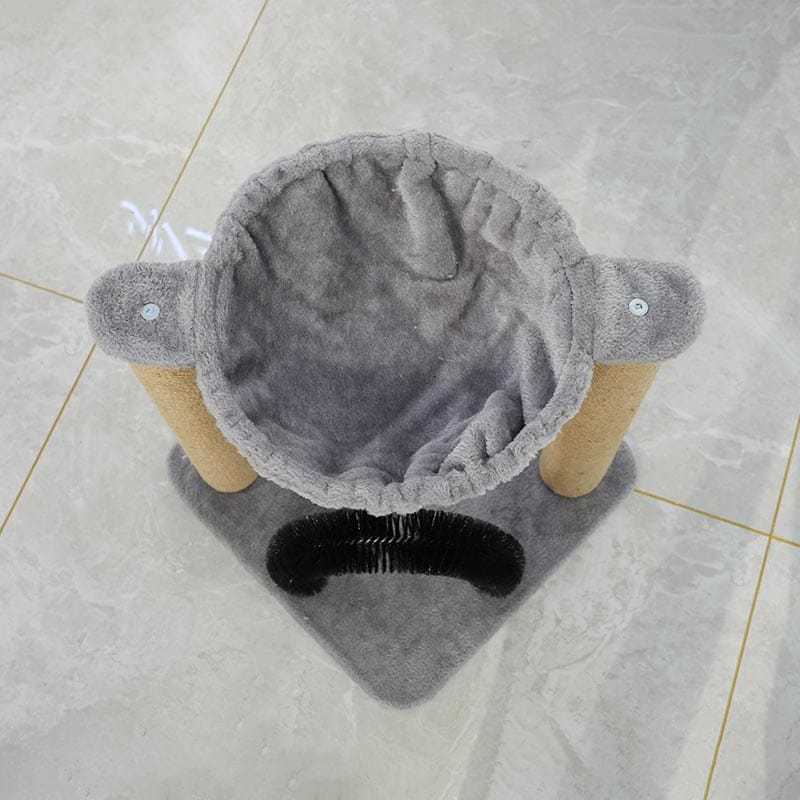
Table of Contents
Introduction
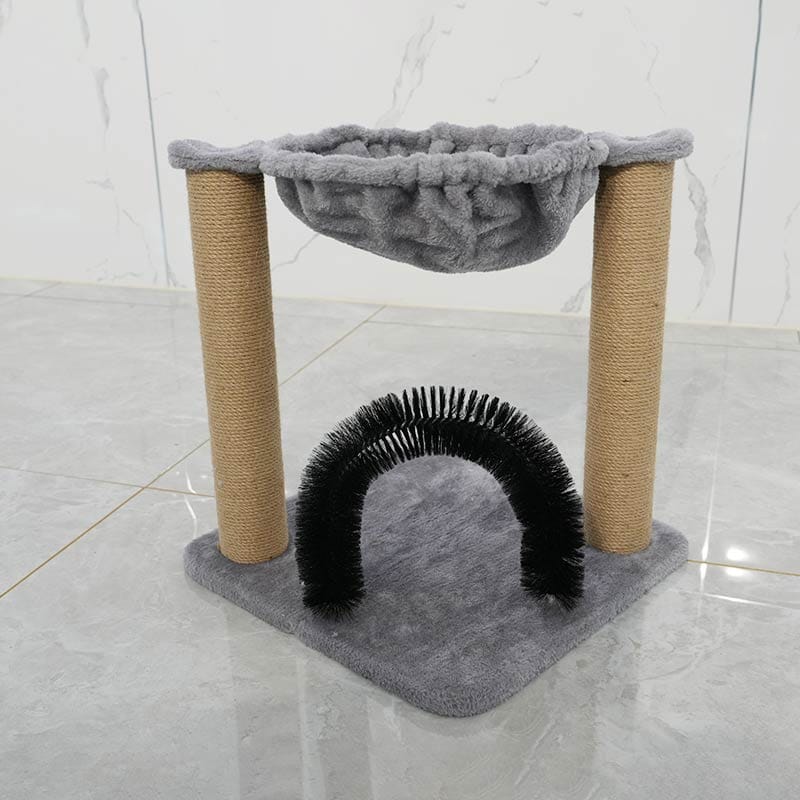
Choosing the right cat bed manufacturer is not only about finding a factory that can produce soft pet bedding. For private-label pet brands, wholesalers, retailers, and distributors, cat beds are an important category because they combine daily comfort, home décor value, repeatable product development, and broad market appeal.
A cat bed looks simple, but good product design requires more than plush fabric and a basic cushion. Cats may sleep in curled positions, stretch out fully, hide inside enclosed spaces, knead soft surfaces, or choose elevated and semi-private resting zones. A well-developed cat bed should support these natural behaviors while also meeting the expectations of modern pet owners: comfort, cleanliness, durability, visual style, and easy placement in the home.
For B2B pet product teams, the real question is not only whether a cat bed looks attractive in photos. The better question is whether the product can maintain comfort, shape, fabric quality, packaging presentation, and customer satisfaction after daily use.
As a professional cat furniture manufacturer, Hanyang supports global pet brands, wholesalers, distributors, and importers with cat beds, cat trees, scratching products, pet furniture, and OEM/ODM customization. This guide explains the design and sourcing details that matter when working with a cat bed manufacturer for private-label or wholesale pet bedding programs.
Why Cat Beds Are a Strategic Product Category
Cat beds are often easier to place, ship, display, and explain than large pet furniture. They can fit many home environments, from apartments and bedrooms to living rooms, pet stores, cat cafés, and multi-cat households. This makes them a flexible category for brands that want to expand beyond cat trees or scratching posts.
A strong cat bed line can serve different customer needs. Some cats prefer enclosed cave beds. Others prefer open donut beds, cushion beds, raised-edge beds, window-side resting pads, or furniture-style beds that match modern interiors. This variety gives private-label brands space to create a complete product series instead of relying on one basic model.
Cat beds also connect naturally with indoor cat welfare. Indoor cats need comfortable resting places, safe hiding options, scratching surfaces, vertical spaces, and predictable resources. Guidance from International Cat Care emphasizes the importance of creating a cat-friendly home with suitable resting and hiding areas. A cat bed manufacturer that understands these needs can help brands create products with stronger real-world value.
Comfort Should Be Designed Around Real Cat Sleeping Behavior
Cats do not all sleep in the same position. Some curl into tight circles. Some stretch their full body. Some prefer edges that support the head and body. Some like enclosed spaces that create a feeling of privacy. A cat bed manufacturer should help translate these behaviors into practical product structures.
| Cat Sleeping Preference | Suitable Cat Bed Structure | Product Value |
|---|---|---|
| Curled sleeping | Round donut bed or raised-edge bed | Creates a secure and cozy feeling |
| Stretching | Flat cushion bed or wider rectangular bed | Gives more body space |
| Hiding | Cave bed or semi-enclosed bed | Supports privacy and stress reduction |
| Head resting | Bolster edge or padded rim | Adds comfort during long rest |
| Warmth seeking | Soft plush or insulated fabric layers | Improves seasonal comfort |
| Multi-cat homes | Multiple sizes or modular beds | Supports different cats and room layouts |
For OEM development, comfort should not be described vaguely. It should be built into the product through shape, filling density, fabric texture, and usable size. A bed that looks thick but collapses quickly may not satisfy customers. A bed that looks stylish but is too small may become decorative rather than useful.
Fabric Choice Affects Both Comfort and Brand Positioning
Fabric is one of the most visible parts of a cat bed. It influences appearance, touch, cleaning, durability, and perceived quality. A professional cat bed manufacturer should help brands compare fabric options based on target market and product positioning.
Common fabric directions include soft plush, short-pile fabric, faux lambswool-style surfaces, woven upholstery fabric, cooling-touch fabric, and natural-style textile finishes. Each direction creates a different product impression.
Soft plush can communicate warmth and comfort. Short-pile fabric may be easier to clean and better for modern minimalist designs. Woven fabrics can make the product look more furniture-like. Natural color palettes can fit homes that prefer neutral décor.
For pet brands, fabric selection should match the customer scenario. A premium indoor cat bed may use softer textures and refined colors. A washable cat bed for everyday use may need durable fabric and practical maintenance. A decorative cat bed for modern homes may require clean stitching, neutral tones, and a more structured shape.
When building a product line, fabric consistency also matters. A cat bed series with matching fabric colors and design language can look more professional across catalogs, retail shelves, and online stores.
Filling Density Determines Long-Term Shape
Many cat beds look soft at first but lose shape after repeated use. This is often caused by low-quality filling, poor filling distribution, or weak stitching. For a private-label brand, this can lead to negative reviews, returns, and lower customer trust.
A reliable cat bed manufacturer should pay attention to filling density, rebound performance, and edge support. The bed should feel soft enough for comfort but structured enough to hold its shape.
Important filling-related questions include:
Does the bed keep its shape after compression?
Is the filling evenly distributed?
Does the raised edge collapse too easily?
Is the cushion removable or fixed?
Can the filling tolerate washing or spot cleaning?
Does the product need seasonal warmth or all-season comfort?
For OEM cat bed development, sample testing should include repeated compression, shaking, folding, and recovery checks. A product that looks full only during photography may not perform well after shipping and daily use.
Washable Design Is a Major Selling Point
Cleanliness is one of the most important concerns for pet bedding. Cat owners often look for beds that are easy to clean, easy to maintain, and suitable for regular home use. A washable cat bed can be more attractive in online listings and retail environments because it answers a practical customer concern.
However, washable design needs careful development. Not every soft bed remains stable after washing. Some fabrics shrink, some fillings clump, and some shapes become distorted.
A cat bed manufacturer should help determine whether the product should be fully washable, have a removable cover, use a detachable cushion, or be designed for spot cleaning. The right choice depends on product structure and target market.
| Washable Design Option | Best Use Case | Manufacturing Concern |
| Fully washable bed | Simple soft beds and cushion beds | Fabric and filling must recover well |
| Removable cover | Premium beds and structured cushions | Zipper quality and cover fit matter |
| Removable inner cushion | Cave beds and bolster beds | Cushion must stay stable in use |
| Spot-clean surface | Decorative or structured beds | Fabric must resist visible stains |
| Replaceable pad | Higher-value private-label designs | Adds long-term product value |
For product pages, cleaning information should be clear and realistic. Overpromising washability can create customer complaints if the product does not maintain shape after care.
Size Planning Should Match Real Market Segments
A cat bed manufacturer should not treat size as a minor detail. Size directly affects comfort, packaging, shipping cost, and product positioning. A bed that is too small may receive poor feedback, while a bed that is too large may increase carton volume and storage requirements.
Private-label teams should define size based on cat type, home environment, and sales channel. Compact beds may be suitable for apartments and kittens. Medium beds may serve most adult cats. Larger beds can target big cats or multi-cat homes.
A practical size strategy may include:
| Product Size Direction | Target Use |
| Small cat bed | Kittens, compact homes, entry-level product lines |
| Medium cat bed | General indoor adult cats |
| Large cat bed | Bigger cats and customers wanting more space |
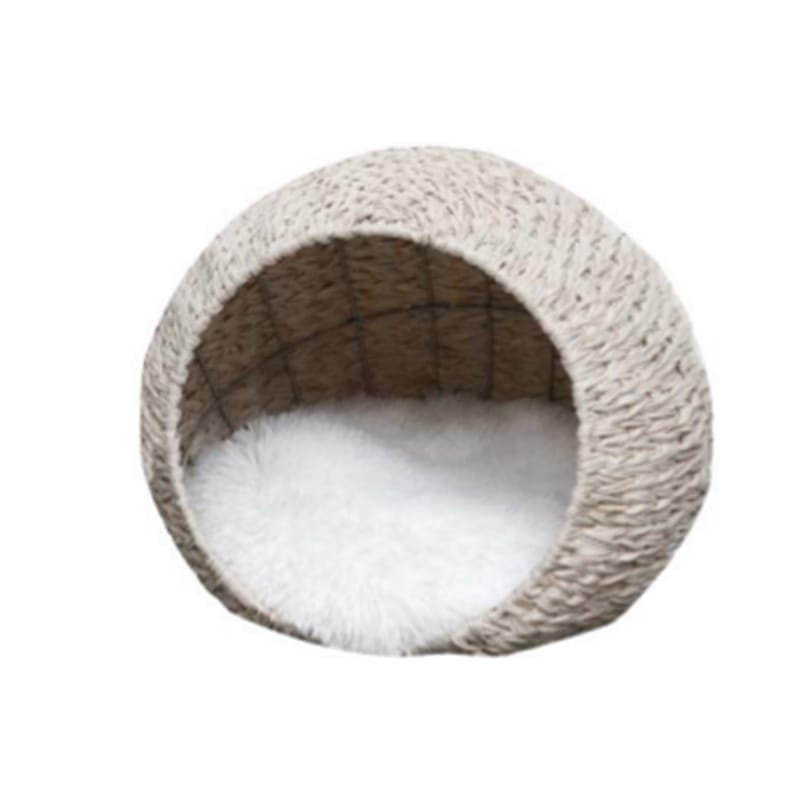
| Cave cat bed | Cats that prefer privacy and warmth |
| Flat cushion bed | Cats that like stretching |
| Furniture-style bed | Design-conscious homes and premium product lines |
A complete product series should include size logic, not random dimensions. This helps brands write clearer product descriptions and create better category navigation.
For brands that also sell climbing products, cat beds can be paired with cat trees and scratchers to create a complete indoor cat furniture range. Hanyang’s cat furniture collection can support broader product line planning.
Safety and Indoor Use Details Should Not Be Ignored
A cat bed is used daily and often placed in bedrooms, living rooms, or quiet resting corners. This means small details matter. Rough stitching, loose threads, weak zippers, unstable cushions, strong odors, or slippery bottoms can reduce product quality.
Indoor cat behavior resources from VCA Hospitals highlight the value of safe resting, hiding, play, and enrichment opportunities inside the home. A good cat bed should support that environment instead of creating inconvenience.
Important safety and usability checks include:
Smooth seams and clean stitching.
No sharp hard parts in sleeping areas.
Secure zippers or covered zipper heads.
Anti-slip bottom material where needed.
Low-odor fabric and filling.
No loose decorative parts that are easy to pull off.
Stable structure after unpacking.
Comfortable entry height for enclosed beds.
For B2B supply, these details should be checked during sample approval and production inspection. A small defect in a soft product can become highly visible when customers use it daily.
Packaging Should Protect Shape and Support Brand Image
Packaging is often underestimated in cat bed sourcing. A soft cat bed may be compressed for shipping, but excessive compression can affect shape recovery. Poor packaging can also make the product look low-value when opened by customers.
A professional cat bed manufacturer should help balance shipping efficiency and product presentation. For e-commerce brands, the unboxing experience matters because customers often judge quality immediately after opening the package. For retail brands, shelf presentation and carton labeling are also important.
Packaging details to confirm include:
Compression method.
Shape recovery after unpacking.
Inner bag quality.
Private-label carton design.
Barcode and product label requirements.
Instruction or care label design.
Export carton strength.
Carton size planning for logistics.
For private-label cat beds, packaging should match the product positioning. A premium bed should not arrive looking crushed and shapeless. A basic washable bed should still include clear care information and organized packing.
OEM Cat Bed Development Options
Working with a cat bed manufacturer gives brands more flexibility than choosing a ready-made product without modification. OEM development allows structure, material, size, color, packaging, and branding to match the target market.
| Custom Area | OEM Options |
| Bed type | Donut bed, cave bed, cushion bed, bolster bed, mat bed |
| Fabric | Plush, woven fabric, short-pile fabric, faux lambswool-style fabric |
| Filling | Soft filling, structured filling, thicker cushion, edge support |
| Size | Small, medium, large, custom market size |
| Color | Neutral, seasonal, brand-specific, home décor palettes |
| Function | Washable cover, removable cushion, anti-slip bottom, foldable structure |
| Branding | Logo label, care label, private-label packaging |
| Product series | Cat bed + cat tree + scratching post matching collection |
For pet brands that want a complete category strategy, a cat bed can be developed together with cat scratching posts, compact cat trees, and modern pet furniture. This helps create a consistent product family rather than isolated single items.
What to Confirm Before Bulk Production
Before confirming production, private-label teams should review samples carefully. A cat bed sample should not only be checked visually. It should be pressed, folded, washed if relevant, unpacked after compression, and reviewed from the perspective of an actual customer.
A practical sample review should include:
| Inspection Point | What to Confirm |
| Fabric feel | Soft, consistent, suitable for target market |
| Filling recovery | Returns to shape after compression |
| Stitching | Clean seams, no loose threads |
| Bed size | Usable space matches product positioning |
| Washability | Care method is realistic and tested |
| Bottom material | Stable placement on indoor flooring |
| Odor | No strong or unpleasant smell after unpacking |
| Packaging | Protects the product during export shipping |
| Labeling | Supports private-label and retail needs |
| Batch consistency | Sample quality can be repeated in production |
If a product includes removable covers, zippers, or detachable cushions, these parts should be tested repeatedly. Small usability problems can lead to customer frustration after delivery.
How to Position Cat Beds on Product Pages
A cat bed product page should do more than list size and fabric. Good product copy should explain the comfort scenario, cleaning method, home style, and target cat behavior.
A stronger product page should answer:
Is this bed for curled sleeping, stretching, or hiding?
Is the fabric soft, warm, or easy to clean?
Does the bed have raised edges or a flat cushion?
Is the cover removable or washable?
Where can the bed be placed in the home?
What makes the product suitable for private-label programs?
How does the product fit a broader cat furniture collection?
A more effective product description could read:
“Designed for indoor cats that enjoy soft, secure resting spaces, this OEM cat bed combines comfortable fabric, supportive filling, practical cleaning options, and private-label packaging support for pet brands, wholesalers, and distributors.”
This type of copy connects product function, customer needs, and B2B sourcing intent naturally.
Matching Cat Beds With Modern Home Décor
Pet owners increasingly prefer products that blend with home interiors. A cat bed may be placed beside a sofa, under a desk, near a window, or inside a bedroom. If the product looks too bright, bulky, or messy, some customers may hesitate.
Modern cat bed design often uses neutral tones, soft textures, rounded shapes, wood-inspired details, and clean stitching. For private-label brands, visual consistency can become a strong advantage. A cat bed collection that matches modern cat trees and scratching products can create a more professional product ecosystem.
Brands can also develop seasonal collections, natural-style collections, apartment-friendly collections, and premium comfort collections. This gives distributors and retailers more ways to present the product in catalogs and online stores.
For brands that value responsible material stories, wood-related or packaging-related sourcing may also be discussed with standards organizations such as the Forest Stewardship Council when relevant to the product concept.
How Hanyang Supports Cat Bed Manufacturing Projects
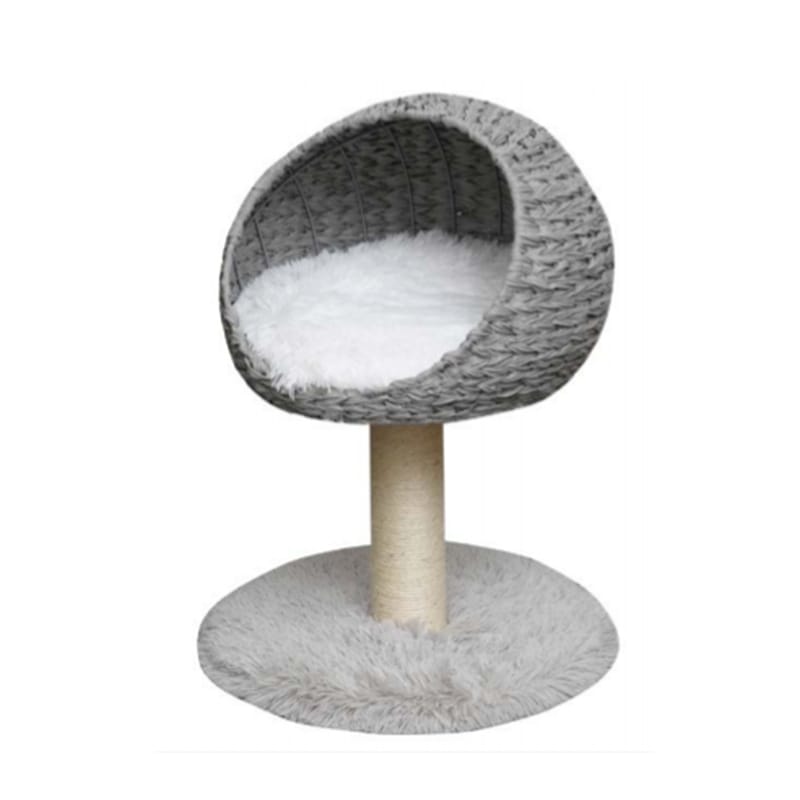
Hanyang supports global pet product teams with OEM and ODM cat furniture solutions, including cat beds, cat trees, scratching posts, and related indoor pet furniture. For cat bed projects, Hanyang can help with structure planning, fabric selection, size development, color matching, private-label packaging, and export-ready production support.
Working with a manufacturer is especially useful when a brand needs a full product line rather than one standard model. Instead of only changing color, Hanyang can support product development around comfort scenarios, washable structure, home décor positioning, and category consistency.
You can explore more cat furniture products or contact Hanyang through the Contact Us page to discuss custom cat bed manufacturing requirements.
Conclusion
A cat bed manufacturer plays an important role in helping pet brands create products that are comfortable, attractive, practical, and suitable for long-term sales. A good cat bed is not only soft. It should be designed around sleeping behavior, fabric comfort, filling recovery, washable structure, safety details, packaging protection, and private-label presentation.
For wholesalers, retailers, distributors, and pet brands, cat beds offer strong product line potential because they fit many home environments and can serve different customer needs. By developing a thoughtful range of cave beds, cushion beds, raised-edge beds, washable beds, and modern indoor designs, brands can build a stronger and more complete pet furniture category.
Hanyang can support OEM and ODM cat bed projects with custom materials, structures, colors, packaging, and export-ready production. A well-developed cat bed line can help brands improve product differentiation, customer satisfaction, and wholesale cooperation opportunities.
FAQ
What does a cat bed manufacturer do?
A cat bed manufacturer develops and produces cat beds for pet brands, wholesalers, distributors, and retailers. Services may include material selection, product structure, size customization, private-label packaging, and bulk production.
Can cat beds be customized for private-label brands?
Yes. Cat beds can be customized in fabric, filling, size, shape, color, washable design, care label, logo label, carton design, and product series direction for private-label programs.
What types of cat beds are suitable for OEM development?
Common OEM cat bed types include donut beds, cave beds, cushion beds, bolster beds, flat mats, washable beds, and furniture-style cat beds designed for modern home environments.
What should be checked before ordering cat beds in bulk?
Important checks include fabric quality, filling recovery, stitching, bed size, washability, odor, anti-slip bottom, packaging protection, labeling, and whether the sample quality can be repeated in production.
Why work with Hanyang for cat bed manufacturing?
Hanyang supports OEM and ODM cat furniture production for global pet product teams, including cat beds, cat trees, scratching posts, material customization, private-label packaging, and export-ready manufacturing support.