Table of Contents
- Define the scratching job before the silhouette
- Choose a format that fits the retail customer
- Make the scratching surface genuinely usable
- Differentiate with function rather than decoration alone
- Use samples to resolve wear and stability risks
- Plan branding across product and packaging
- Protect repeatability in bulk production
- Prepare replacement and repeat-order logic
- Useful resources for the next review
- Frequently Asked Questions
Private-label development should begin with a customer problem, not a request to add a logo to an existing scratcher. Form, scratching orientation, material, footprint, replacement, toys, packaging, and retail communication all shape whether the product earns a clear role.
private label cat scratcher is the focus of this guide because the buyer is trying to move from market brief to distinctive design, samples, wear validation, packaging, and bulk approval. The discussion follows the decisions that actually change product performance, customer use, inspection evidence, and repeat-order consistency.
Define the scratching job before the silhouette
During development, pay particular attention to vertical stretch, horizontal use, inclined scratching, lounging, play, grooming, and compact storage. state the product role in the development brief.
choose a primary job and one supporting benefit. one product cannot optimise every behaviour without trade-offs. This keeps private label cat scratcher focused on vertical stretch, horizontal use, inclined scratching, lounging, play, grooming, and compact storage, the issue most likely to change the decision in this section.
private label cat scratcher becomes a practical sourcing control in define the scratching job before the silhouette when the team checks vertical stretch, horizontal use, inclined scratching, lounging, play, grooming, and compact storage.
For this stage of private label cat scratcher, the approval note should explain choose a primary job and one supporting benefit and retain state the product role in the development brief.
Choose a format that fits the retail customer
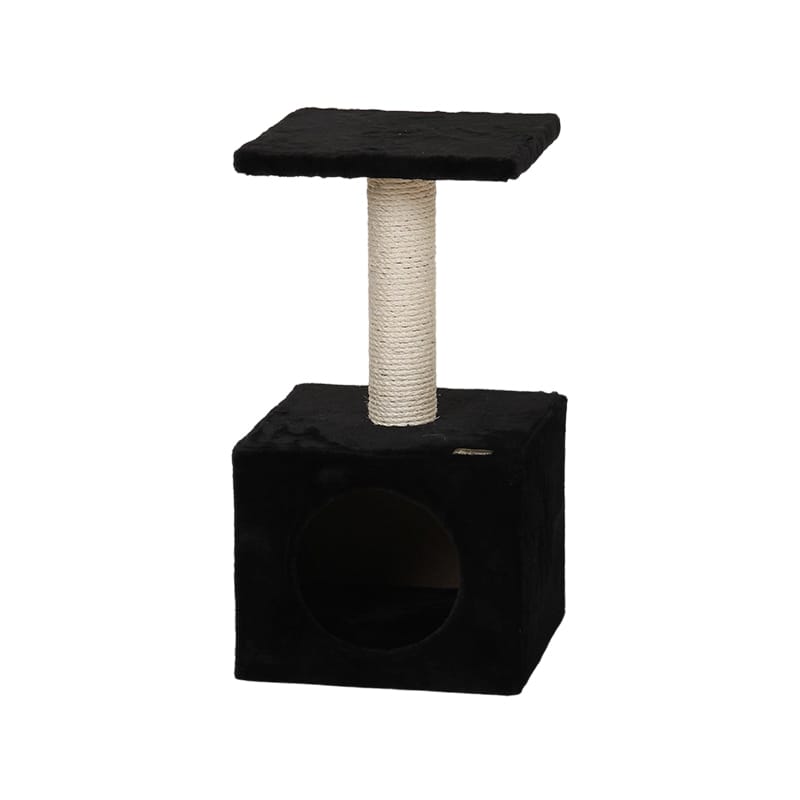
The strongest decision signal comes from footprint, home style, cat size, price position without stating price, assembly, and replacement expectations. match architecture to the intended household and sales channel.
compare concepts against the same customer criteria. copying a large tower into a compact range can create poor proportions and unclear value. For repeat orders, private label cat scratcher should preserve this conclusion through compare concepts against the same customer criteria.
private label cat scratcher becomes a practical sourcing control in choose a format that fits the retail customer when the team checks footprint, home style, cat size, price position without stating price, assembly, and replacement expectations.
For this stage of private label cat scratcher, the approval note should explain match architecture to the intended household and sales channel and retain compare concepts against the same customer criteria.
Make the scratching surface genuinely usable
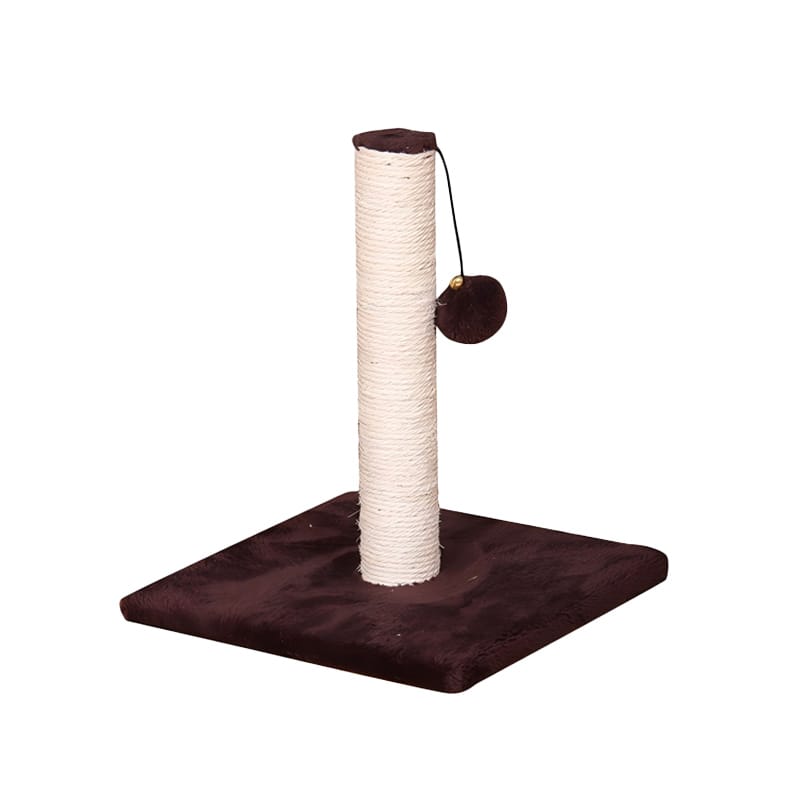
For this product type, the critical issue is reachable height, width, post diameter, orientation, obstructions, material tension, and wear zone. decorative rope coverage may provide little continuous scratching area.
measure the surface from the cat position. approve actual material, attachment, and usable dimensions. A useful review of private label cat scratcher turns the finding into an action: measure the surface from the cat position.
private label cat scratcher becomes a practical sourcing control in make the scratching surface genuinely usable when the team checks reachable height, width, post diameter, orientation, obstructions, material tension, and wear zone.
For this stage of private label cat scratcher, the approval note should explain measure the surface from the cat position and retain approve actual material, attachment, and usable dimensions.
Differentiate with function rather than decoration alone
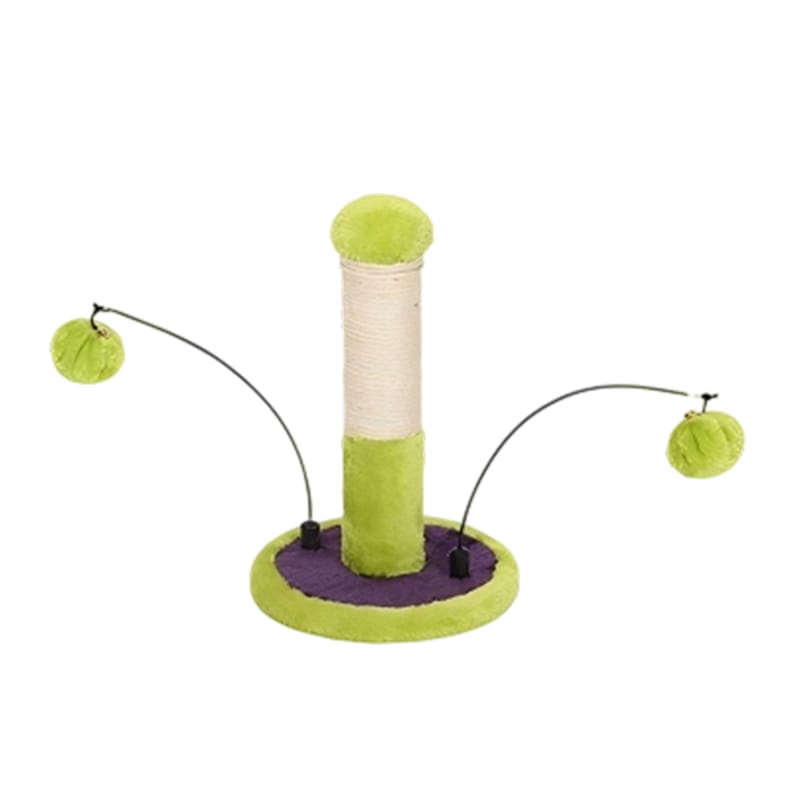
Treat replaceable modules, brushes, rest platforms, storage, reversible boards, toy systems, and material combinations as a design input, not a final-inspection detail. remove features that cannot justify their operational cost.
extra accessories add complexity when they do not solve a clear problem. evaluate each feature for use, durability, assembly, and support. That evidence lets pet brands developing a differentiated private-label scratching product revisit private label cat scratcher without depending on memory or an unlabeled prototype.
private label cat scratcher becomes a practical sourcing control in differentiate with function rather than decoration alone when the team checks replaceable modules, brushes, rest platforms, storage, reversible boards, toy systems, and material combinations.
| Decision area | What to examine | What to do | Record to retain |
|---|---|---|---|
| Choose a format that fits the retail customer | footprint, home style, cat size, price position without stating price, assembly, and replacement expectations | match architecture to the intended household and sales channel | Primary question |
| Make the scratching surface genuinely usable | decorative rope coverage may provide little continuous scratching area | approve actual material, attachment, and usable dimensions | Likely failure |
| Differentiate with function rather than decoration alone | evaluate each feature for use, durability, assembly, and support | replaceable modules, brushes, rest platforms, storage, reversible boards, toy systems, and material combinations | Buyer action |
| Use samples to resolve wear and stability risks | record changes by sample revision | a visually approved sample may still fail under repeated scratching and pulling | Approval evidence |
Use samples to resolve wear and stability risks
A useful review starts with rocking, sliding, rope loosening, edge damage, toy attachment, surface marking, and joint movement. run focused use simulations before artwork and tooling are frozen.
a visually approved sample may still fail under repeated scratching and pulling. record changes by sample revision. The team can then connect private label cat scratcher with use samples to resolve wear and stability risks in the current specification revision.
private label cat scratcher becomes a practical sourcing control in use samples to resolve wear and stability risks when the team checks rocking, sliding, rope loosening, edge damage, toy attachment, surface marking, and joint movement.
Plan branding across product and packaging
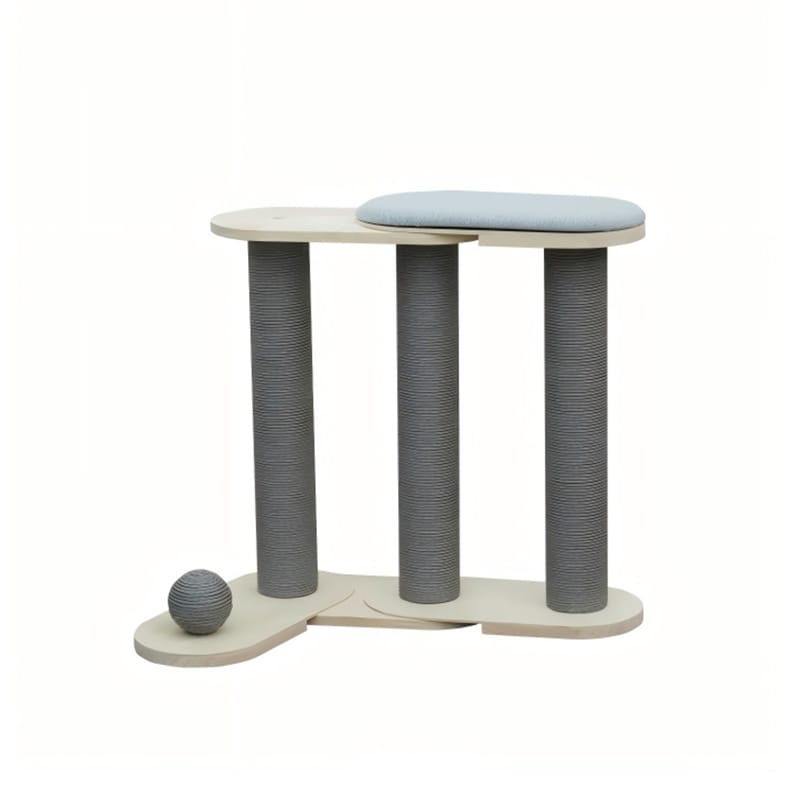
Begin with label location, woven tag, colour, hardware finish, carton print, photography, instructions, and barcode. branding can interfere with contact surfaces or create too many artwork versions.
place identity where it remains visible and durable without affecting use. approve product marks and packaging files together. For pet brands developing a differentiated private-label scratching product, this makes private label cat scratcher a documented product choice connected to plan branding across product and packaging.
private label cat scratcher becomes a practical sourcing control in plan branding across product and packaging when the team checks label location, woven tag, colour, hardware finish, carton print, photography, instructions, and barcode.
Useful resources for the next review
Related pages on this site include sisal scratching post material guide, ODM cat furniture development guide, cat furniture sample evaluation guide, contact the product team. Use them to connect this decision with sample approval, product development, packaging, and supplier communication.
Authoritative starting points include FSC chain-of-custody guidance, European Commission REACH overview, FAO non-wood forest products resources, EU product safety information. Applicability depends on the product, material, destination, and claims, so confirm current requirements with qualified specialists rather than treating a general webpage as product-specific approval.
Protect repeatability in bulk production
The practical starting point is material lots, rope tension, post straightness, base flatness, colour, toy length, and packing. identify a few appearance and function checkpoints at the line.
small process variation is highly visible on simple scratcher forms. retain approved samples and boundary defect examples. In this context, private label cat scratcher is credible when the team can trace the result back to retain approved samples and boundary defect examples.
private label cat scratcher becomes a practical sourcing control in protect repeatability in bulk production when the team checks material lots, rope tension, post straightness, base flatness, colour, toy length, and packing.
Prepare replacement and repeat-order logic
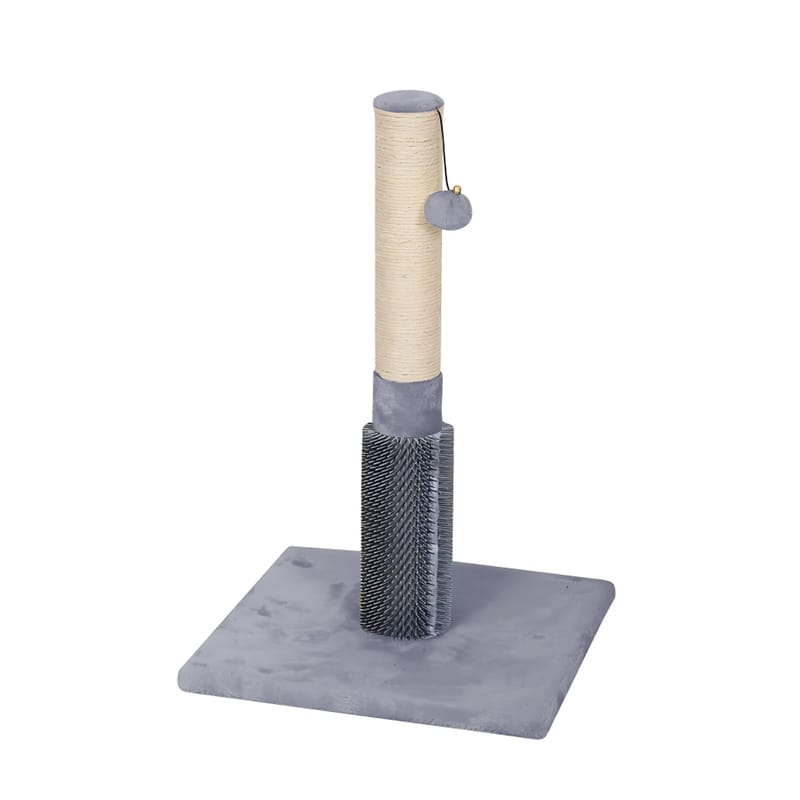
A buyer can separate appearance from performance by checking wear parts, hardware packs, compatible colours, part codes, minimum production runs, and revision control. customers and brands benefit when high-wear surfaces can be renewed.
maintain compatibility records across product updates. freeze interfaces and decide which parts can be replenished. The approval record for private label cat scratcher should therefore state freeze interfaces and decide which parts can be replenished and identify who accepted the result.
private label cat scratcher becomes a practical sourcing control in prepare replacement and repeat-order logic when the team checks wear parts, hardware packs, compatible colours, part codes, minimum production runs, and revision control.
Frequently Asked Questions
What should a private-label cat scratcher brief include?
choose a primary job and one supporting benefit state the product role in the development brief For this question, private label cat scratcher depends on vertical stretch, horizontal use, inclined scratching, lounging, play, grooming, and compact storage, and the accepted answer belongs in the controlled product record.
How is usable scratching area measured?
match architecture to the intended household and sales channel compare concepts against the same customer criteria For this question, private label cat scratcher depends on footprint, home style, cat size, price position without stating price, assembly, and replacement expectations, and the accepted answer belongs in the controlled product record.
Which features create meaningful differentiation?
measure the surface from the cat position approve actual material, attachment, and usable dimensions For this question, private label cat scratcher depends on reachable height, width, post diameter, orientation, obstructions, material tension, and wear zone, and the accepted answer belongs in the controlled product record.
When should packaging artwork be approved?
evaluate each feature for use, durability, assembly, and support remove features that cannot justify their operational cost For this question, private label cat scratcher depends on replaceable modules, brushes, rest platforms, storage, reversible boards, toy systems, and material combinations, and the accepted answer belongs in the controlled product record.
Should private-label scratchers offer replacement parts?
run focused use simulations before artwork and tooling are frozen record changes by sample revision For this question, private label cat scratcher depends on rocking, sliding, rope loosening, edge damage, toy attachment, surface marking, and joint movement, and the accepted answer belongs in the controlled product record.
Develop a scratcher around a clear product role
A differentiated private-label product connects customer intent, usable scratching area, architecture, functional features, wear testing, branding, production controls, and replacement strategy. Contact the product team with the target market, intended user, dimensions, materials, packaging format, and the decisions that still need technical confirmation.