Table of Contents
- Scale the first routes for uncertain climbers
- Review openings and gaps as the kitten grows
- Keep lower products stable under sudden movement
- Treat hanging toys as replaceable accessories
- Choose scratching surfaces that remain useful
- Make accidents and spills easy to clean
- Plan a product role beyond the kitten stage
- Use precise safety language and supervision guidance
- Useful resources for the next review
- Frequently Asked Questions
Kitten furniture should support exploration without copying the proportions of a full-size cat tree. Small bodies fit through gaps, climb with less control, pull on toys, and quickly outgrow features that were designed only for the first weeks of use.
kitten cat tree design is the focus of this guide because the buyer is trying to balance small-body access, guarded movement, durable attachments, cleaning, and useful product life. The discussion follows the decisions that actually change product performance, customer use, inspection evidence, and repeat-order consistency.
Scale the first routes for uncertain climbers
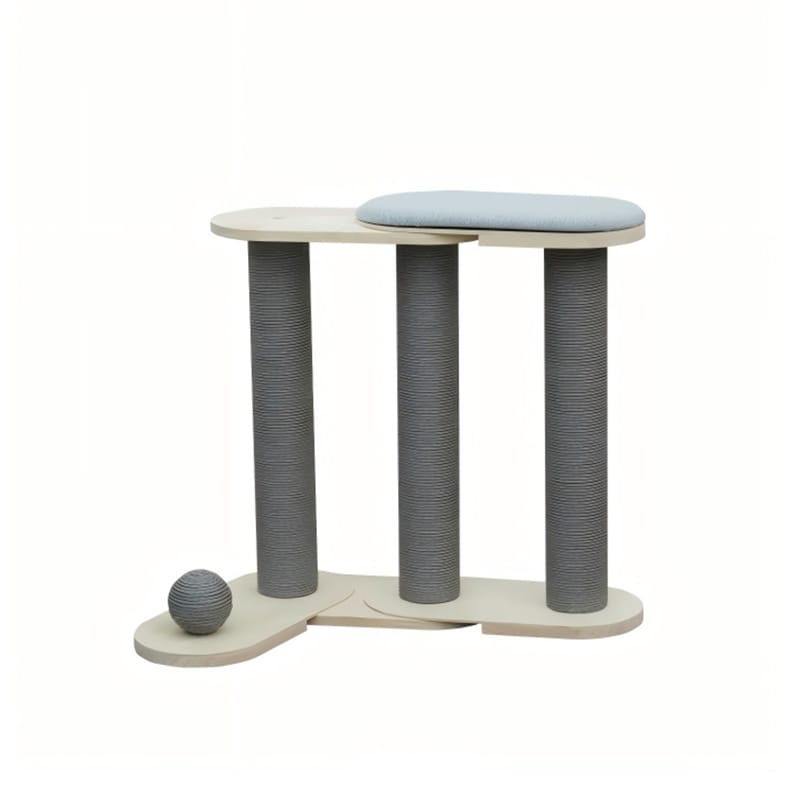
Begin with floor access, step height, platform overlap, edge visibility, and fall path. a confident adult route may be difficult for a kitten still learning balance.
use short transitions and clear landing areas at lower levels. review the route from a small-body perspective. For buyers developing compact products for kittens and growing cats, this makes kitten cat tree design a documented product choice connected to scale the first routes for uncertain climbers.
kitten cat tree design becomes a practical sourcing control in scale the first routes for uncertain climbers when the team checks floor access, step height, platform overlap, edge visibility, and fall path.
For this stage of kitten cat tree design, the approval note should explain use short transitions and clear landing areas at lower levels and retain review the route from a small-body perspective.
Review openings and gaps as the kitten grows
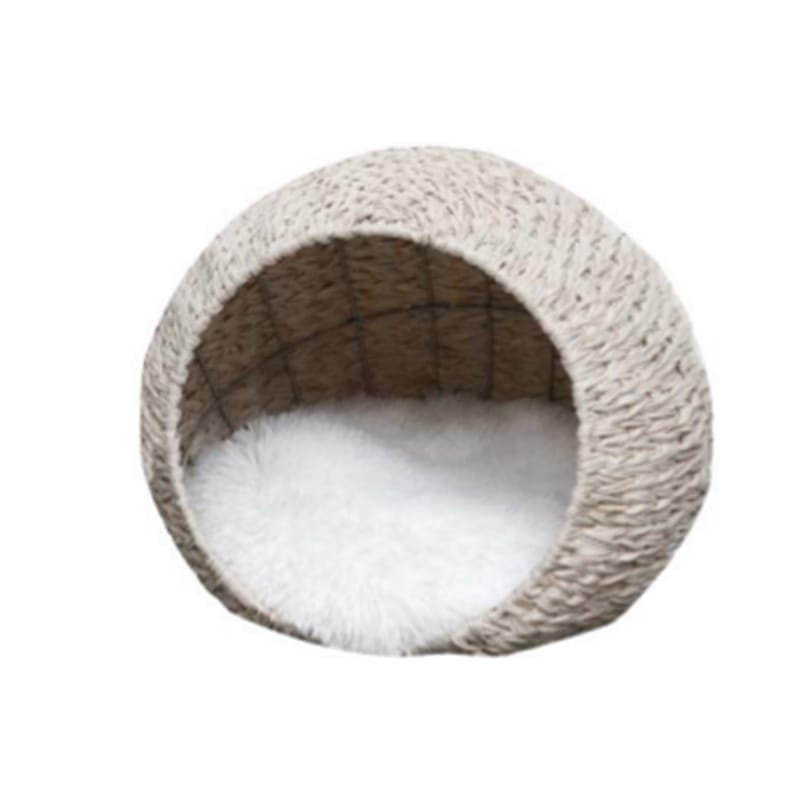
The practical starting point is head and body openings, rail spacing, moving joints, fabric loops, and spaces behind caves. avoid ambiguous openings and evaluate the complete intended age range.
a gap can change from passable to trapping as body proportions develop. mark critical gaps on the drawing for production checks. In this context, kitten cat tree design is credible when the team can trace the result back to mark critical gaps on the drawing for production checks.
kitten cat tree design becomes a practical sourcing control in review openings and gaps as the kitten grows when the team checks head and body openings, rail spacing, moving joints, fabric loops, and spaces behind caves.
For this stage of kitten cat tree design, the approval note should explain avoid ambiguous openings and evaluate the complete intended age range and retain mark critical gaps on the drawing for production checks.
Keep lower products stable under sudden movement
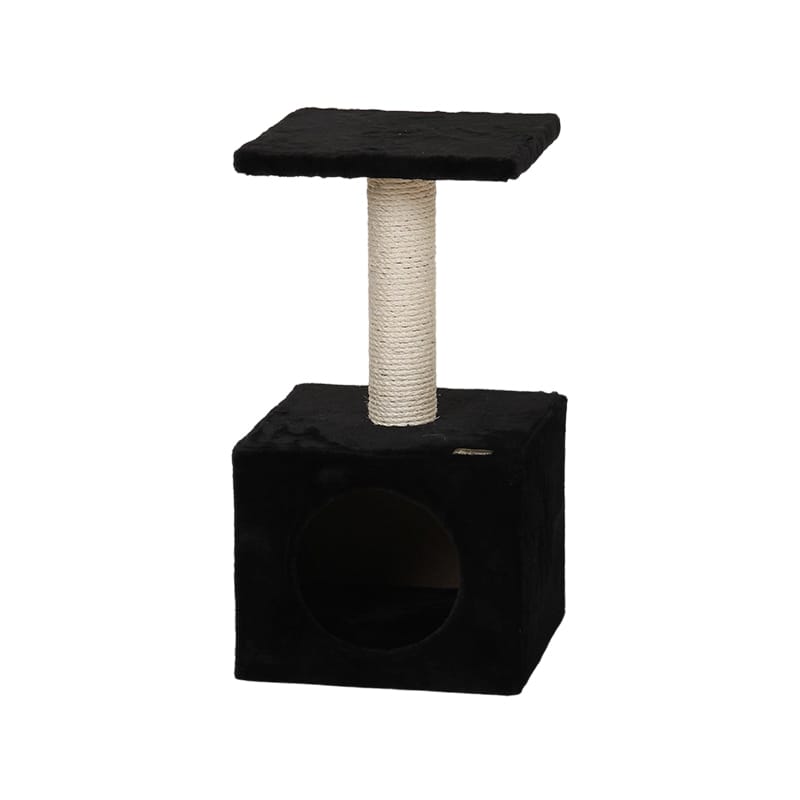
A buyer can separate appearance from performance by checking base width, toy pull, side entry, light overall mass, slippery floors, and uneven loading. compact size does not guarantee stability when the product is very light.
inspect feet and joints after repeated movement. test sliding, rocking, and tipping from likely play directions. The approval record for kitten cat tree design should therefore state test sliding, rocking, and tipping from likely play directions and identify who accepted the result.
kitten cat tree design becomes a practical sourcing control in keep lower products stable under sudden movement when the team checks base width, toy pull, side entry, light overall mass, slippery floors, and uneven loading.
For this stage of kitten cat tree design, the approval note should explain test sliding, rocking, and tipping from likely play directions and retain inspect feet and joints after repeated movement.
Treat hanging toys as replaceable accessories
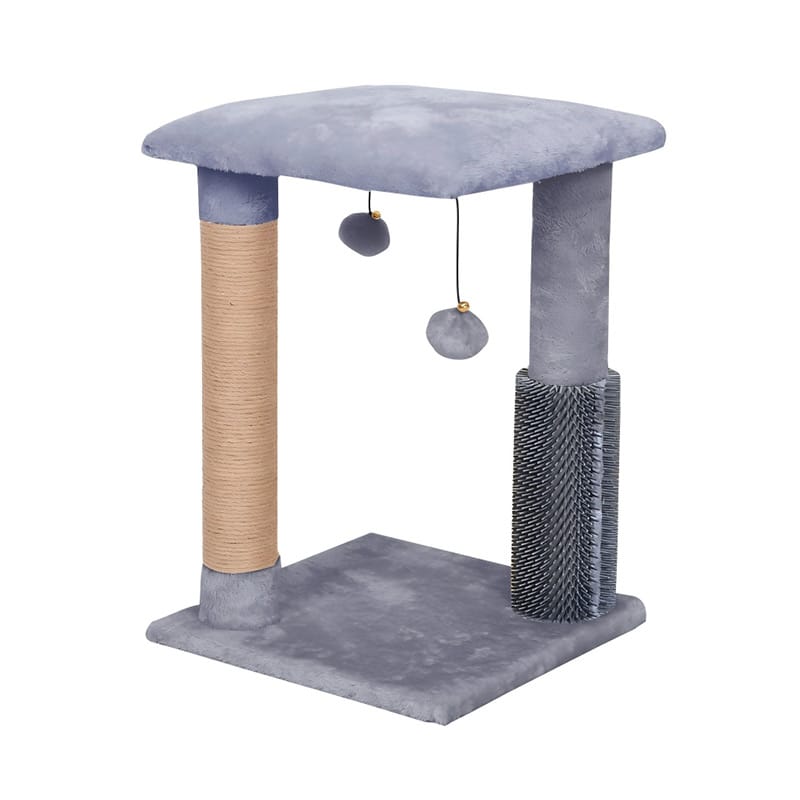
During development, pay particular attention to cord length, attachment, small components, wear, access, and supervision language. inspect the attachment after use simulation and transport.
separate accessory life from frame life and provide a safe replacement route. toys receive concentrated pulling and chewing that the main frame does not. This keeps kitten cat tree design focused on cord length, attachment, small components, wear, access, and supervision language, the issue most likely to change the decision in this section.
kitten cat tree design becomes a practical sourcing control in treat hanging toys as replaceable accessories when the team checks cord length, attachment, small components, wear, access, and supervision language.
For this stage of kitten cat tree design, the approval note should explain separate accessory life from frame life and provide a safe replacement route and retain inspect the attachment after use simulation and transport.
| Decision area | What to examine | What to do | Record to retain |
|---|---|---|---|
| Review openings and gaps as the kitten grows | head and body openings, rail spacing, moving joints, fabric loops, and spaces behind caves | avoid ambiguous openings and evaluate the complete intended age range | Primary question |
| Keep lower products stable under sudden movement | compact size does not guarantee stability when the product is very light | inspect feet and joints after repeated movement | Likely failure |
| Treat hanging toys as replaceable accessories | separate accessory life from frame life and provide a safe replacement route | cord length, attachment, small components, wear, access, and supervision language | Buyer action |
| Choose scratching surfaces that remain useful | state usable dimensions rather than a broad age promise | a very short novelty scratcher may be outgrown before the structure | Approval evidence |
Choose scratching surfaces that remain useful
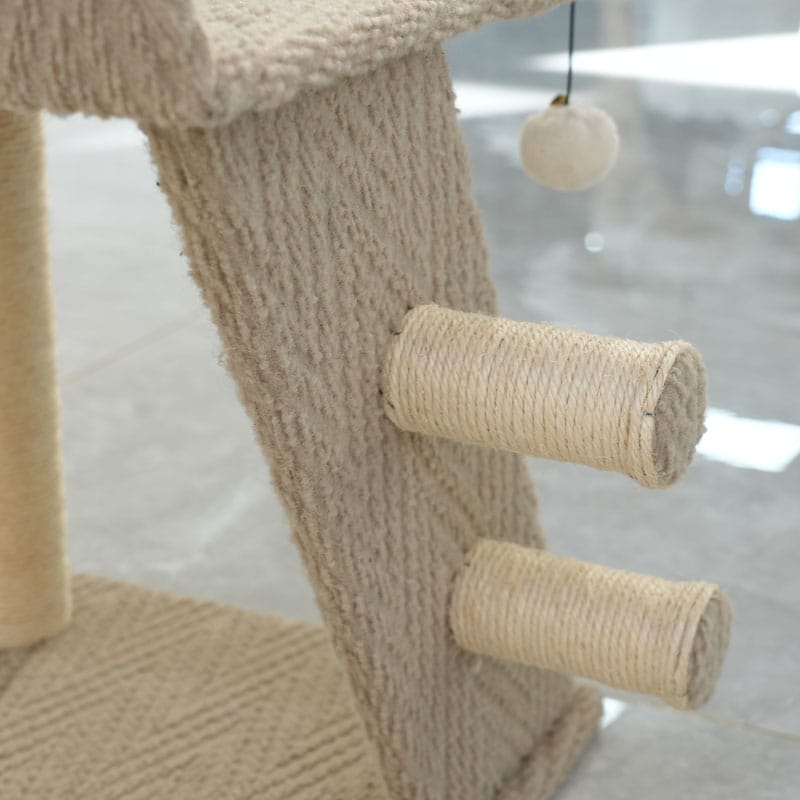
The strongest decision signal comes from reachable height, post diameter, inclined boards, rope coverage, and future body size. combine immediate access with at least one longer useful surface.
state usable dimensions rather than a broad age promise. a very short novelty scratcher may be outgrown before the structure. For repeat orders, kitten cat tree design should preserve this conclusion through state usable dimensions rather than a broad age promise.
kitten cat tree design becomes a practical sourcing control in choose scratching surfaces that remain useful when the team checks reachable height, post diameter, inclined boards, rope coverage, and future body size.
For this stage of kitten cat tree design, the approval note should explain combine immediate access with at least one longer useful surface and retain state usable dimensions rather than a broad age promise.
Make accidents and spills easy to clean
For this product type, the critical issue is removable pads, washable covers, sealed surfaces, crevices, toy removal, and drying. kitten products often need more frequent local cleaning.
avoid permanent textiles in the hardest-to-reach zones. test removal and drying without damaging the product. A useful review of kitten cat tree design turns the finding into an action: avoid permanent textiles in the hardest-to-reach zones.
kitten cat tree design becomes a practical sourcing control in make accidents and spills easy to clean when the team checks removable pads, washable covers, sealed surfaces, crevices, toy removal, and drying.
Useful resources for the next review
Related pages on this site include cat furniture product range, cat furniture sample evaluation guide, sisal scratching post material guide, contact the product team. Use them to connect this decision with sample approval, product development, packaging, and supplier communication.
Authoritative starting points include EU product safety information, European Commission REACH overview, CPSC small-parts business guidance, FSC chain-of-custody guidance. Applicability depends on the product, material, destination, and claims, so confirm current requirements with qualified specialists rather than treating a general webpage as product-specific approval.
Plan a product role beyond the kitten stage
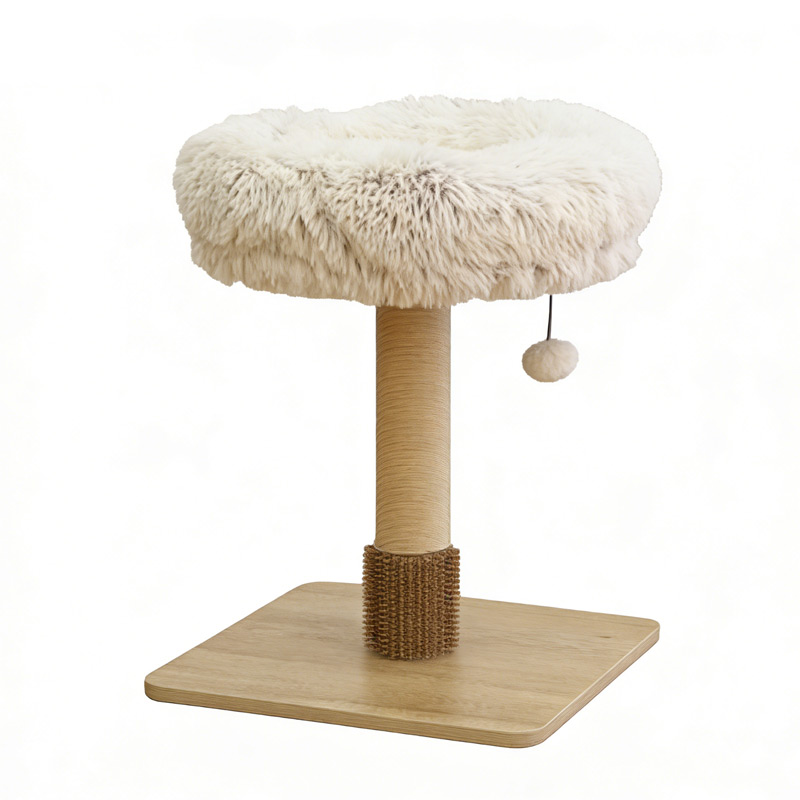
Treat replaceable posts, removable toys, adult-size rest zone, compact footprint, and shared household use as a design input, not a final-inspection detail. explain replacement or removal in the instructions.
a product can retain value when one feature grows with the cat. identify which components are temporary and which should remain useful. That evidence lets buyers developing compact products for kittens and growing cats revisit kitten cat tree design without depending on memory or an unlabeled prototype.
kitten cat tree design becomes a practical sourcing control in plan a product role beyond the kitten stage when the team checks replaceable posts, removable toys, adult-size rest zone, compact footprint, and shared household use.
Use precise safety language and supervision guidance
A useful review starts with assembly, loose parts, wear inspection, placement, damaged toys, and owner supervision. tell owners what to check and when to remove a worn accessory.
generic safe-for-kittens wording cannot replace product-specific review. align warnings with the evaluated design and destination requirements. The team can then connect kitten cat tree design with use precise safety language and supervision guidance in the current specification revision.
kitten cat tree design becomes a practical sourcing control in use precise safety language and supervision guidance when the team checks assembly, loose parts, wear inspection, placement, damaged toys, and owner supervision.
Frequently Asked Questions
How low should the first kitten platform be?
use short transitions and clear landing areas at lower levels review the route from a small-body perspective For this question, kitten cat tree design depends on floor access, step height, platform overlap, edge visibility, and fall path, and the accepted answer belongs in the controlled product record.
Which gaps need special attention?
avoid ambiguous openings and evaluate the complete intended age range mark critical gaps on the drawing for production checks For this question, kitten cat tree design depends on head and body openings, rail spacing, moving joints, fabric loops, and spaces behind caves, and the accepted answer belongs in the controlled product record.
Can a small cat tree still tip?
test sliding, rocking, and tipping from likely play directions inspect feet and joints after repeated movement For this question, kitten cat tree design depends on base width, toy pull, side entry, light overall mass, slippery floors, and uneven loading, and the accepted answer belongs in the controlled product record.
Should kitten toys be removable?
separate accessory life from frame life and provide a safe replacement route inspect the attachment after use simulation and transport For this question, kitten cat tree design depends on cord length, attachment, small components, wear, access, and supervision language, and the accepted answer belongs in the controlled product record.
How can a kitten product remain useful as the cat grows?
combine immediate access with at least one longer useful surface state usable dimensions rather than a broad age promise For this question, kitten cat tree design depends on reachable height, post diameter, inclined boards, rope coverage, and future body size, and the accepted answer belongs in the controlled product record.
Plan for exploration and growth together
A durable kitten design connects low routes, gap control, stability, replaceable toys, useful scratching area, easy cleaning, later-life use, and clear supervision guidance. Contact the product team with the target market, intended user, dimensions, materials, packaging format, and the decisions that still need technical confirmation.