How modern pet lifestyles are driving innovation, customization, and sustainable manufacturing in the global cat furniture industry.
The global pet industry has experienced remarkable growth over the past decade, with pet owners increasingly viewing their animals as members of the family rather than simply household companions. This shift in consumer perception has had a significant impact on various sectors of the pet products market, particularly in the area of pet furniture. Among these products, cat trees and cat beds have become essential items in modern households with cats. As a result, the global demand for innovative, durable, and aesthetically pleasing cat furniture continues to rise.
In recent years, pet owners have shown greater interest in products that not only serve practical purposes but also complement modern interior design. Traditional cat furniture designs, which often focused purely on functionality, are gradually being replaced by products that combine durability, comfort, and visual appeal. Manufacturers are now challenged to develop cat furniture solutions that satisfy both the behavioral needs of cats and the aesthetic expectations of modern homes.
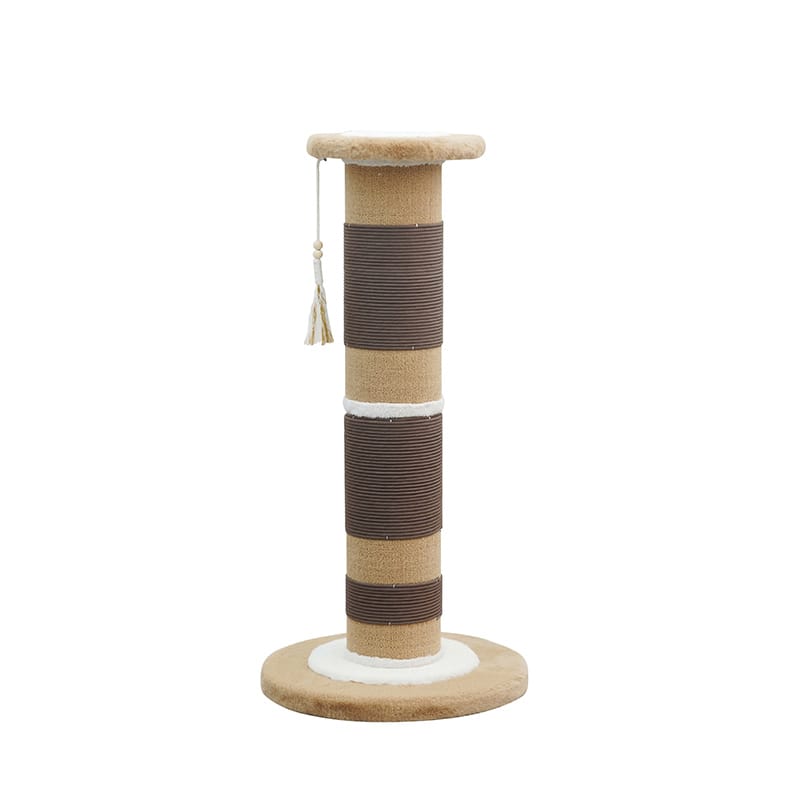
One of the most notable trends in the industry is the growing demand for multi-functional cat furniture. Cat trees, for example, are no longer simply climbing structures. Modern cat trees are designed as integrated activity centers that provide multiple functions such as climbing, scratching, resting, and playing. These products help cats maintain physical activity while also protecting household furniture from scratching damage. As urban living spaces become more compact, multi-level cat furniture offers an effective solution for maximizing vertical space within homes.
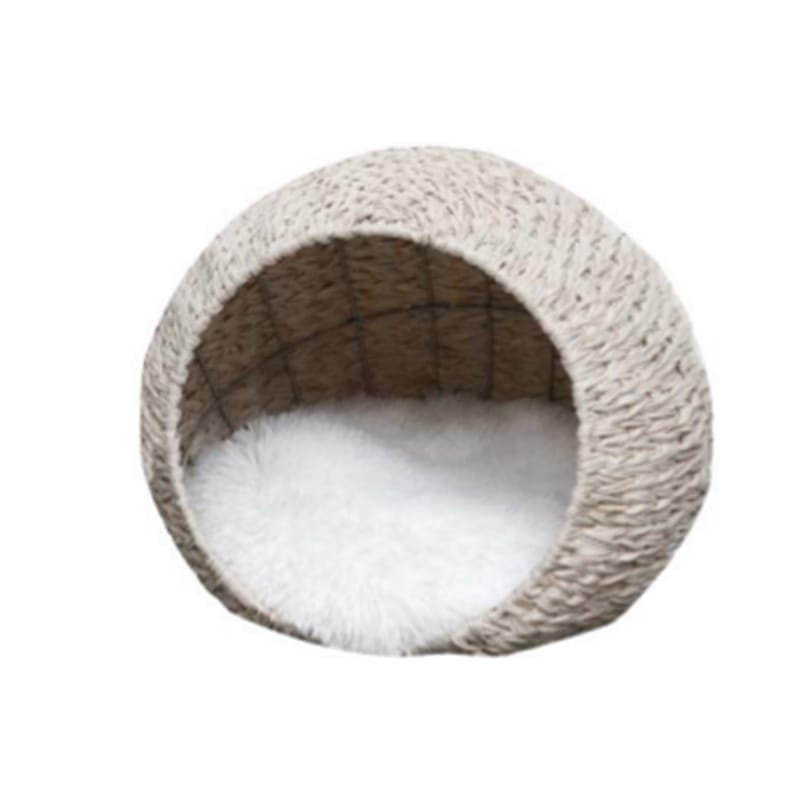
In addition to functionality, comfort has become another critical factor influencing product design. Cat beds, hammocks, and resting platforms are increasingly made from soft, breathable, and pet-safe materials that provide optimal comfort for animals. Many manufacturers are also incorporating ergonomic designs to better support cats’ natural sleeping positions. These innovations not only improve the well-being of pets but also enhance the overall value of the product for consumers.
The demand for environmentally friendly and sustainable materials has also gained significant attention in the pet furniture industry. As environmental awareness grows among consumers, manufacturers are exploring the use of recyclable materials, eco-friendly fabrics, and responsibly sourced wood in the production of cat furniture. Sustainable production practices are becoming an important consideration for brands seeking to appeal to environmentally conscious pet owners.
Another key driver of growth in the industry is the rapid expansion of e-commerce. Online platforms have made it easier for pet owners to discover new products, compare designs, and purchase pet furniture from brands around the world. As a result, manufacturers must ensure that their products are designed not only for functionality and aesthetics but also for efficient packaging, transportation, and assembly. Compact packaging and user-friendly assembly instructions are increasingly important features for modern cat furniture products.
Customization has also emerged as a major opportunity within the industry. Pet brands, distributors, and retailers are increasingly seeking customized product designs that align with their brand identity and target market preferences. OEM and ODM manufacturing services have therefore become essential components of the pet furniture supply chain. Through customization services, manufacturers can help partners develop unique products that stand out in competitive markets.
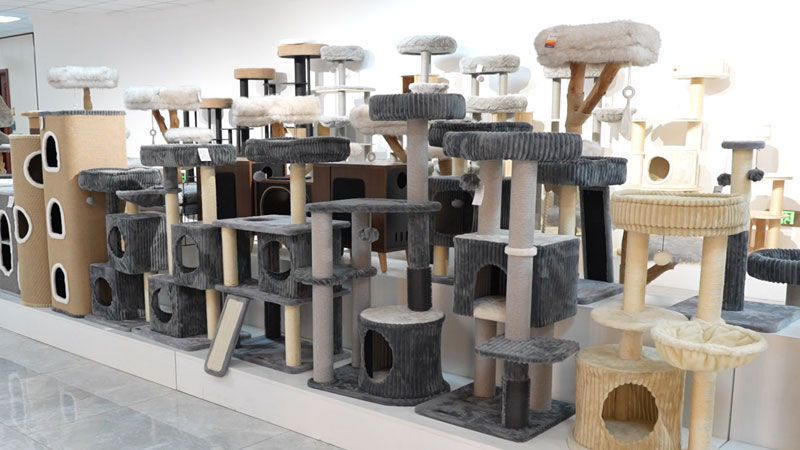
Professional manufacturing capabilities play a crucial role in meeting these evolving market demands. Factories specializing in pet furniture production must combine design expertise, reliable production systems, and strict quality control processes to ensure product consistency and durability. Multi-stage quality inspection systems help guarantee that every product meets international standards and provides long-term performance for consumers.
Furthermore, global supply chain stability has become increasingly important in recent years. Pet brands and distributors rely on manufacturing partners that can maintain consistent production capacity and reliable delivery schedules. Strong manufacturing infrastructure, experienced technical teams, and efficient production management systems are essential for ensuring stable supply in international markets.
Looking ahead, the future of the cat furniture industry appears highly promising. As pet ownership continues to grow worldwide, the demand for innovative and high-quality pet furniture will likely expand further. Manufacturers that focus on product innovation, customization capabilities, sustainable materials, and reliable production systems will be well positioned to succeed in this competitive market.
At the same time, collaboration between manufacturers, brands, and distributors will remain a key factor in driving industry development. By working together to create products that meet the evolving needs of modern pet owners, industry partners can contribute to improving the quality of life for pets while also creating new opportunities for business growth.
In conclusion, the rising global demand for cat furniture reflects broader changes in the way people view and care for their pets. As cats become an integral part of modern households, the importance of well-designed, durable, and comfortable pet furniture continues to increase. Through ongoing innovation, professional manufacturing, and strong partnerships across the supply chain, the cat furniture industry is poised to achieve sustained growth in the years ahead.