Table of Contents
- Locate the centre of mass before styling the top
- Widen the base in the direction of likely force
- Reduce stacked tolerances that create lean
- Design feet for real residential floors
- Control dynamic movement at upper platforms
- Use wall restraints with explicit limitations
- Make correct assembly the easiest assembly
- Reassess stability after every visible design change
- Useful resources for the next review
- Frequently Asked Questions
Anti-tip performance starts with the free-standing product, not the wall strap. Base shape, total height, platform offset, cave mass, post stiffness, foot contact, assembly tolerance, and user movement all contribute to the overturning moment.
anti tip cat tree design is the focus of this guide because the buyer is trying to reduce overturning risk through geometry, mass distribution, restraints, and clear assembly. The discussion follows the decisions that actually change product performance, customer use, inspection evidence, and repeat-order consistency.
Locate the centre of mass before styling the top
The strongest decision signal comes from base footprint, heavy caves, platform offsets, post locations, and upper accessories. review mass and geometry together in early layouts.
mark component weights and horizontal offsets on the concept drawing. moving a light perch outward can create more leverage than adding weight near the base. For repeat orders, anti tip cat tree design should preserve this conclusion through mark component weights and horizontal offsets on the concept drawing.
anti tip cat tree design becomes a practical sourcing control in locate the centre of mass before styling the top when the team checks base footprint, heavy caves, platform offsets, post locations, and upper accessories.
For this stage of anti tip cat tree design, the approval note should explain review mass and geometry together in early layouts and retain mark component weights and horizontal offsets on the concept drawing.
Widen the base in the direction of likely force
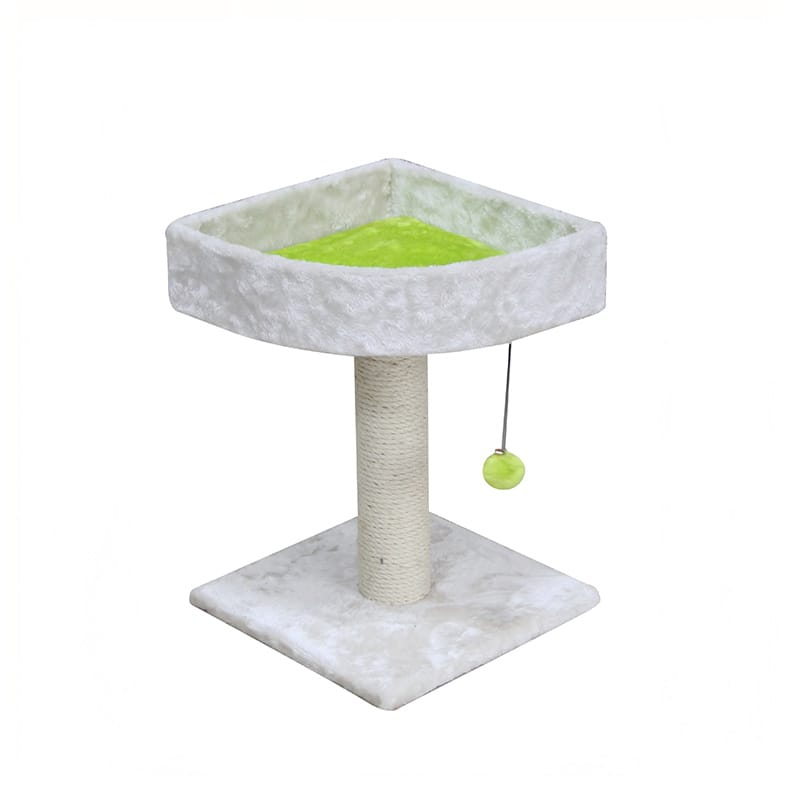
For this product type, the critical issue is climbing face, landing direction, outer platform edge, wall position, and room circulation. a square-looking base may offer little support in the direction a cat pushes.
shape the footprint around force direction rather than visual symmetry alone. compare tipping tendency along several axes. A useful review of anti tip cat tree design turns the finding into an action: shape the footprint around force direction rather than visual symmetry alone.
anti tip cat tree design becomes a practical sourcing control in widen the base in the direction of likely force when the team checks climbing face, landing direction, outer platform edge, wall position, and room circulation.
For this stage of anti tip cat tree design, the approval note should explain shape the footprint around force direction rather than visual symmetry alone and retain compare tipping tendency along several axes.
Reduce stacked tolerances that create lean
Treat post length, panel flatness, hole position, covering thickness, feet, and threaded engagement as a design input, not a final-inspection detail. measure verticality and floor contact on production samples.
small deviations across several levels can shift the top and reduce stability margin. use datums and intermediate alignment checks during assembly. That evidence lets OEM buyers designing tall or offset cat trees for household use revisit anti tip cat tree design without depending on memory or an unlabeled prototype.
anti tip cat tree design becomes a practical sourcing control in reduce stacked tolerances that create lean when the team checks post length, panel flatness, hole position, covering thickness, feet, and threaded engagement.
For this stage of anti tip cat tree design, the approval note should explain use datums and intermediate alignment checks during assembly and retain measure verticality and floor contact on production samples.
Design feet for real residential floors
A useful review starts with hard floor friction, carpet compression, grout lines, base flatness, and adjustable or compliant feet. select foot material and placement for expected floor conditions.
sliding and rocking can make a product feel unsafe before tipping occurs. test on representative hard and soft surfaces. The team can then connect anti tip cat tree design with design feet for real residential floors in the current specification revision.
anti tip cat tree design becomes a practical sourcing control in design feet for real residential floors when the team checks hard floor friction, carpet compression, grout lines, base flatness, and adjustable or compliant feet.
For this stage of anti tip cat tree design, the approval note should explain select foot material and placement for expected floor conditions and retain test on representative hard and soft surfaces.
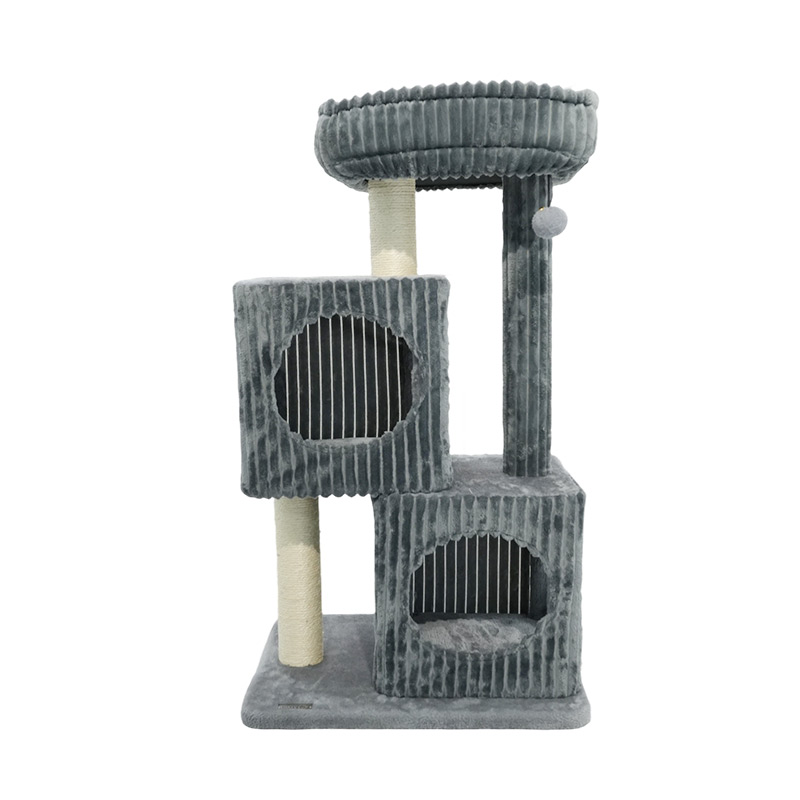
| Decision area | What to examine | What to do | Record to retain |
|---|---|---|---|
| Widen the base in the direction of likely force | climbing face, landing direction, outer platform edge, wall position, and room circulation | shape the footprint around force direction rather than visual symmetry alone | Primary question |
| Reduce stacked tolerances that create lean | small deviations across several levels can shift the top and reduce stability margin | measure verticality and floor contact on production samples | Likely failure |
| Design feet for real residential floors | select foot material and placement for expected floor conditions | hard floor friction, carpet compression, grout lines, base flatness, and adjustable or compliant feet | Buyer action |
| Control dynamic movement at upper platforms | document movement type and post-test joint condition | static centred loads do not represent climbing and jumping leverage | Approval evidence |
Control dynamic movement at upper platforms
Begin with platform projection, landing force, post flex, joint looseness, toy motion, and simultaneous use. static centred loads do not represent climbing and jumping leverage.
evaluate edge loading and repeated movement on the assembled prototype. document movement type and post-test joint condition. For OEM buyers designing tall or offset cat trees for household use, this makes anti tip cat tree design a documented product choice connected to control dynamic movement at upper platforms.
anti tip cat tree design becomes a practical sourcing control in control dynamic movement at upper platforms when the team checks platform projection, landing force, post flex, joint looseness, toy motion, and simultaneous use.
For this stage of anti tip cat tree design, the approval note should explain evaluate edge loading and repeated movement on the assembled prototype and retain document movement type and post-test joint condition.
Use wall restraints with explicit limitations
The practical starting point is strap length, anchor location, wall type, user hardware, instruction, and inspection access. state required installation and provide product-side hardware appropriate to the design.
a strap may not work when customers choose an unsuitable fixing point. verify restraint attachment and warning clarity. In this context, anti tip cat tree design is credible when the team can trace the result back to verify restraint attachment and warning clarity.
anti tip cat tree design becomes a practical sourcing control in use wall restraints with explicit limitations when the team checks strap length, anchor location, wall type, user hardware, instruction, and inspection access.
Useful resources for the next review
Related pages on this site include cat furniture product range, cat tree quality control checklist, cat furniture sample evaluation guide, contact the product team. Use them to connect this decision with sample approval, product development, packaging, and supplier communication.
Authoritative starting points include EU product safety information, European Commission REACH overview, CPSC small-parts business guidance, FSC chain-of-custody guidance. Applicability depends on the product, material, destination, and claims, so confirm current requirements with qualified specialists rather than treating a general webpage as product-specific approval.
Make correct assembly the easiest assembly
A buyer can separate appearance from performance by checking part orientation, post order, fastener identification, tightening sequence, and final level check. reversed platforms or partly engaged bolts can defeat the designed geometry.
run unassisted assembly trials from the retail carton. use asymmetric features, labels, and clear diagrams to prevent mistakes. The approval record for anti tip cat tree design should therefore state use asymmetric features, labels, and clear diagrams to prevent mistakes and identify who accepted the result.
anti tip cat tree design becomes a practical sourcing control in make correct assembly the easiest assembly when the team checks part orientation, post order, fastener identification, tightening sequence, and final level check.
Reassess stability after every visible design change
During development, pay particular attention to new toys, larger cushions, changed cave position, thicker platforms, alternative posts, and packaging revisions. link test results to the exact bill of materials and drawing revision.
maintain a list of revisions that trigger renewed evaluation. apparently cosmetic changes can alter mass, leverage, and assembly. This keeps anti tip cat tree design focused on new toys, larger cushions, changed cave position, thicker platforms, alternative posts, and packaging revisions, the issue most likely to change the decision in this section.
anti tip cat tree design becomes a practical sourcing control in reassess stability after every visible design change when the team checks new toys, larger cushions, changed cave position, thicker platforms, alternative posts, and packaging revisions.
Frequently Asked Questions
Does a wall strap make any tall cat tree safe?
review mass and geometry together in early layouts mark component weights and horizontal offsets on the concept drawing For this question, anti tip cat tree design depends on base footprint, heavy caves, platform offsets, post locations, and upper accessories, and the accepted answer belongs in the controlled product record.
Which direction should a base be widest?
shape the footprint around force direction rather than visual symmetry alone compare tipping tendency along several axes For this question, anti tip cat tree design depends on climbing face, landing direction, outer platform edge, wall position, and room circulation, and the accepted answer belongs in the controlled product record.
Why can manufacturing tolerances cause lean?
use datums and intermediate alignment checks during assembly measure verticality and floor contact on production samples For this question, anti tip cat tree design depends on post length, panel flatness, hole position, covering thickness, feet, and threaded engagement, and the accepted answer belongs in the controlled product record.
How should anti-tip performance be checked on carpet?
select foot material and placement for expected floor conditions test on representative hard and soft surfaces For this question, anti tip cat tree design depends on hard floor friction, carpet compression, grout lines, base flatness, and adjustable or compliant feet, and the accepted answer belongs in the controlled product record.
Which design changes require stability retesting?
evaluate edge loading and repeated movement on the assembled prototype document movement type and post-test joint condition For this question, anti tip cat tree design depends on platform projection, landing force, post flex, joint looseness, toy motion, and simultaneous use, and the accepted answer belongs in the controlled product record.
Engineer anti-tip performance before sampling
A stronger brief defines geometry, mass, floor contact, dynamic loads, tolerances, assembly, restraint limitations, and retest triggers before styling is frozen. Contact the product team with the target market, intended user, dimensions, materials, packaging format, and the decisions that still need technical confirmation.