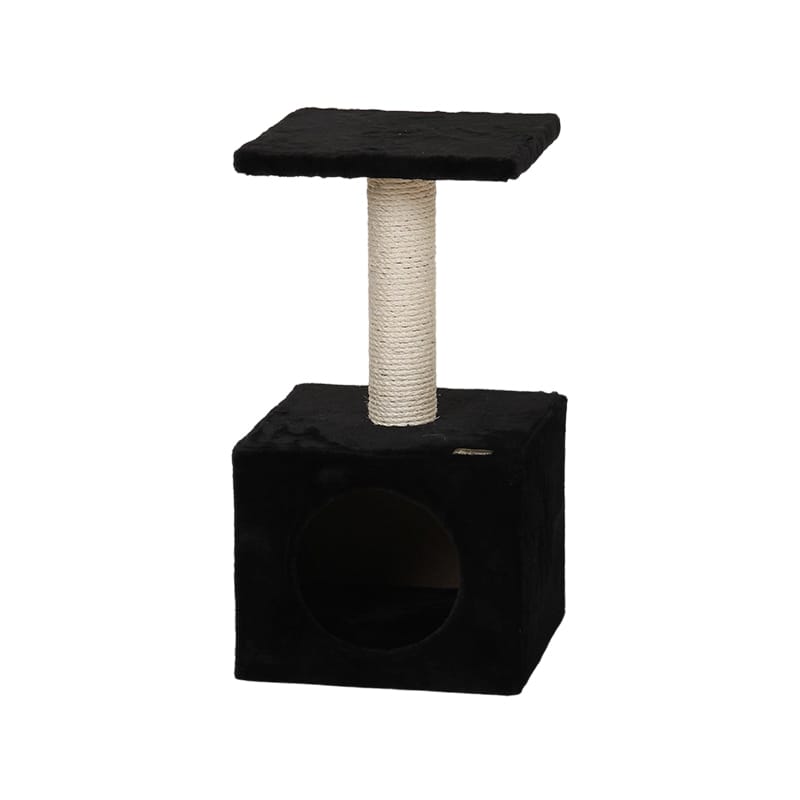
Cat tree packaging is often discussed late in product development, after the structure, fabric, color, and photography have already been approved. For export-ready pet furniture, that is risky. A cat tree may include wood panels, sisal posts, plush cushions, toys, screws, washers, Allen keys, and instruction sheets. If these parts move inside the carton, a good product can arrive with scratches, dents, missing hardware, or assembly confusion.
For OEM buyers, cat tree packaging should be treated as part of product design. The carton is not only a container; it protects visible surfaces, organizes parts, supports private-label presentation, and influences customer satisfaction after delivery. This guide explains how buyers can plan cat tree packaging with a manufacturer before bulk production begins.
Why Packaging Deserves Early Planning
The best time to think about cat tree packaging is during sample development. At that stage, the factory can evaluate product dimensions, disassembled part count, carton size, component protection, and instruction layout together. If packaging is left until the end, buyers may discover that a product is difficult to pack efficiently or that visible panels need more protection than expected.
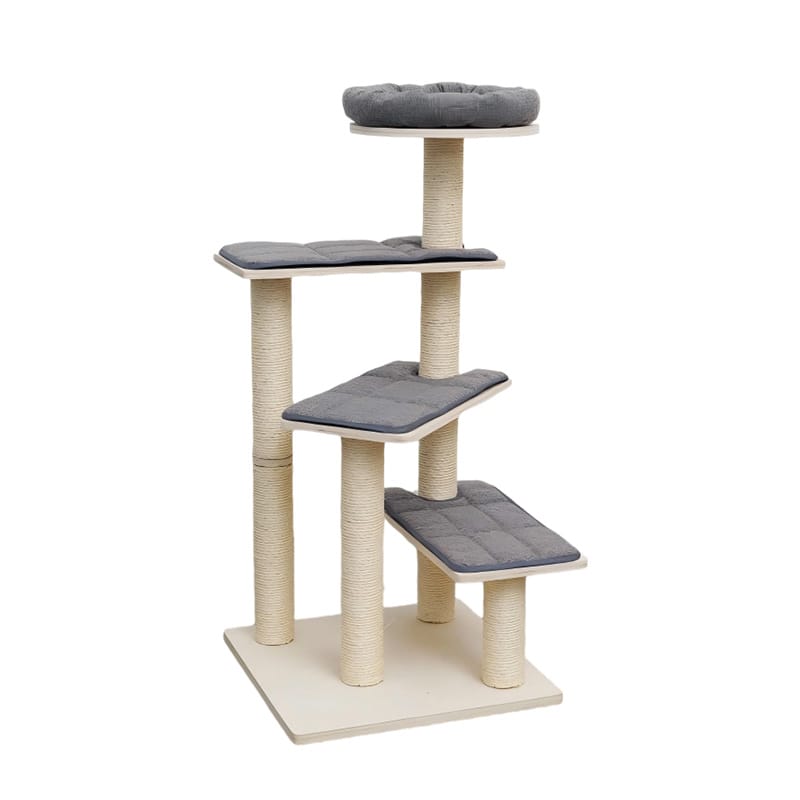
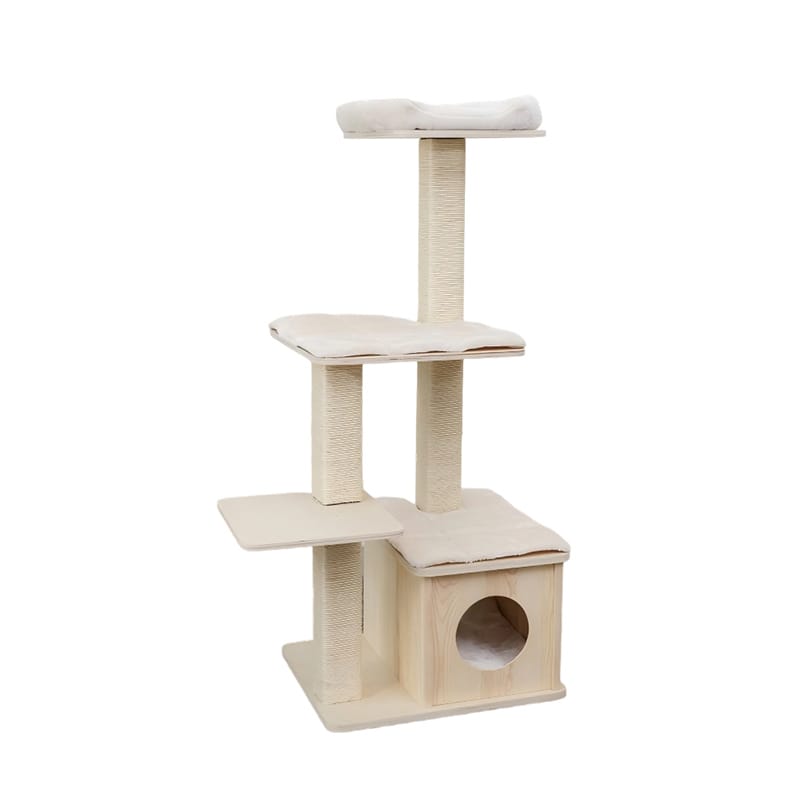
Export-ready cat tree packaging should reduce movement inside the carton. Posts should not rub against finished panels. Hardware should not scratch fabric. Cushions should not be compressed in a way that damages the shape. For products such as the multi layer solid wood cat tree, packaging must protect both the structure and the visible furniture-style finish.
General packaging guidance from organizations such as the International Safe Transit Association can help buyers understand why transit simulation and package performance matter. Buyers do not need to turn every order into a laboratory project, but they should recognize that cat tree packaging is part of risk control, not decoration.
Protecting Each Product Zone
A cat tree is not one uniform item. Each zone needs different protection. Wood panels need surface and corner protection. Sisal posts need wrapping that prevents abrasion. Plush parts need clean packing. Hanging toys should not be crushed or tangled. Cat tree packaging should separate high-contact areas and prevent hard parts from pressing into soft parts during shipping.
| Product Area | Packaging Risk | Recommended Check |
|---|---|---|
| Wood panels | Scratches, corner dents | Use sleeves, pads, or separated layers |
| Sisal posts | Rubbing against panels | Wrap posts and secure position |
| Plush cushions | Compression or dirt | Pack cleanly and avoid sharp hardware contact |
| Hardware | Missing screws or scratches | Use sealed and labeled bags |
| Instruction sheet | Lost or bent manual | Place visibly near the top or hardware pack |
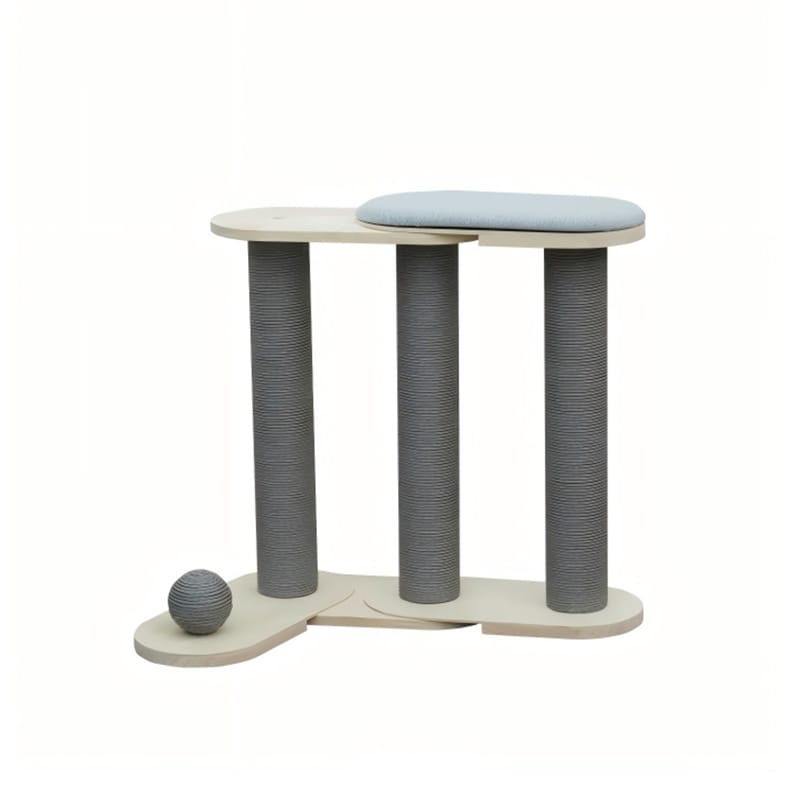
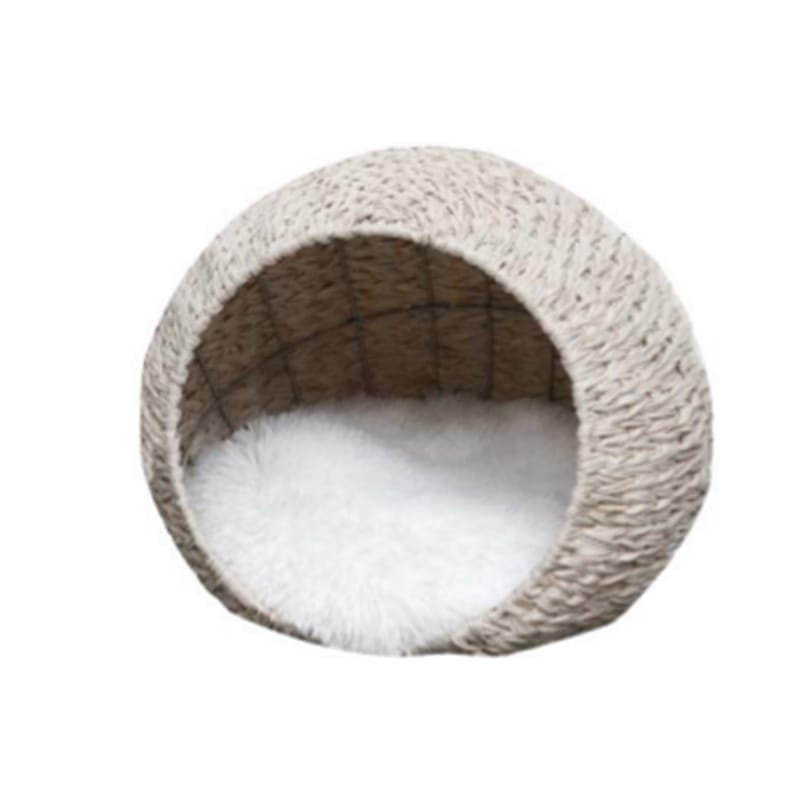
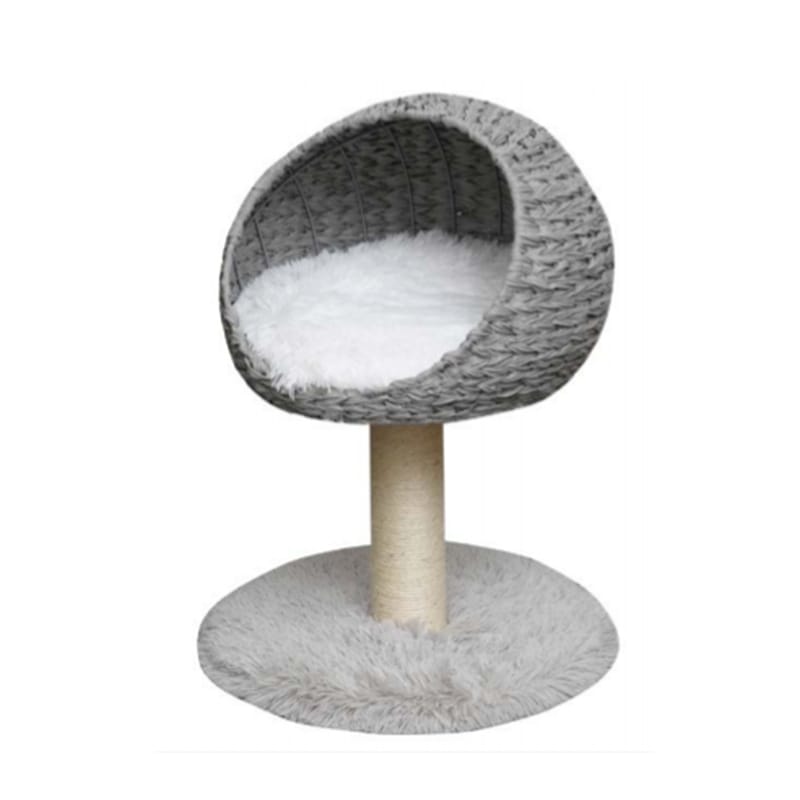
Cat tree packaging should also match the structure. A compact product such as a Nordic style sisal scratching post may need simple but neat protection. A multi-level tower needs more organized layers. A woven cat product may need shape protection so that the natural texture is not flattened.
Instruction Manuals and Hardware Bags
Cat tree packaging is also about organization. If the hardware bag is unclear, customers may think parts are missing. If the manual is buried under panels, customers may start assembly incorrectly. OEM buyers should ask the factory to label hardware bags and match the manual to the actual product. A manual should show part numbers, assembly sequence, and any safety notes related to tightening posts or placing the product on a flat surface.
The cat tree category includes everything from simple scratchers to complex towers. The more levels and posts a product has, the more important instructions become. Cat tree packaging should make the first ten minutes after opening feel calm and predictable. When buyers test a sample, they should unpack it like a normal customer and check whether every part is easy to identify.
For models with replaceable posts, pads, or toys, packaging should separate optional or serviceable parts clearly. Buyers can review Hanyang’s guide to replaceable cat tree parts for more details about serviceable design. Cat tree packaging should support that design, not confuse it.
Private-Label Packaging Considerations
Private-label buyers may need more than a plain carton. Cat tree packaging can include brand marks, product name, barcode area, handling marks, manual style, and carton layout. However, buyers should avoid adding decorative packaging details that make the carton weaker or harder to handle. The first job of cat tree packaging is still protection.
For wood-based cat furniture, responsible sourcing discussions may involve documentation concepts from the Forest Stewardship Council. For quality systems, buyers may use ISO 9001 as a general reference when discussing process control with suppliers. These references can support professional sourcing conversations, but buyers should not claim certifications unless they are actually verified for the specific supplier and product.
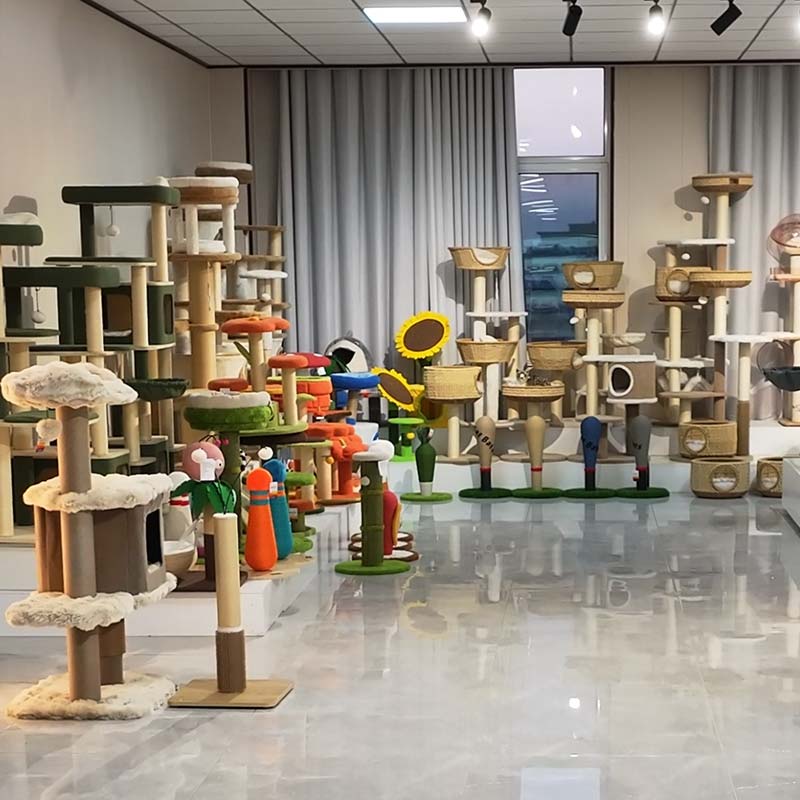
Hanyang supports OEM and ODM buyers with customization options for cat furniture, including structure, material, colors, and packaging. Buyers can explore product directions through the cat climbing frame collection and discuss cat tree packaging requirements through the project inquiry process.
Sample Review Before Bulk Orders
Before bulk production, buyers should review a packed sample, not only an assembled product. Cat tree packaging should be opened, inspected, repacked, and compared against the packing list. Check whether parts rub against each other, whether hardware bags are secure, whether the manual is correct, and whether carton dimensions are reasonable for the product.
- Confirm that visible surfaces are separated from hard parts.
- Check that all screws, washers, and tools are included.
- Review whether the instruction manual matches the actual sample.
- Inspect carton strength, closure method, and handling marks.
- Take photos of the approved packing method for future production.
Cat tree packaging should become part of the approved sample record. If production later changes the packing sequence, protection material, or hardware bag placement, buyers should know. This is especially important for products with wooden panels, woven surfaces, or premium-looking fabric, where visible damage is easy for customers to notice.
Buyers should also check how cat tree packaging supports warehouse handling. A carton that protects the product but is difficult to identify, stack, or open can still create operational issues. Clear product names, model numbers, carton marks, and packing lists help teams manage orders more smoothly. For private-label projects, these details should match the buyer’s internal product system and customer-facing documentation.
For repeat orders, approved cat tree packaging should not be treated as informal knowledge. Buyers can request packing photos, carton specifications, and a short packing checklist. This gives both sides a reference when materials, cartons, or product components change. Good cat tree packaging is repeatable, not improvised for each shipment.
This is especially important when the same model is ordered across several seasons or color versions.
Conclusion
Cat tree packaging protects more than the product. It protects the buyer’s brand image, the customer’s assembly experience, and the factory’s production reputation. The best packaging is planned early, tested with real samples, and documented clearly before bulk orders.
For OEM buyers, cat tree packaging should cover wood panels, sisal posts, plush parts, hardware, instructions, and private-label needs. Hanyang can support export-ready cat furniture development from product design to final packing. To discuss cat tree packaging for your next product line, visit the products page or send requirements through Contact Us.