Table of Contents
- Define sliding, rocking, twisting, and tipping separately
- Control the floor and assembly setup
- Apply loads where cats create leverage
- Observe recovery as well as maximum movement
- Compare samples without changing several variables
- Translate the protocol into production checks
- Include packaging and reassembly in validation
- Use wall straps as a defined control, not a vague cure
- Useful resources for the next review
- Frequently Asked Questions
Stability is not a single yes-or-no property. A cat tree can slide without tipping, rock because of floor contact, twist at a joint, or remain upright while a platform deflects enough to undermine customer confidence.
cat tree stability testing is the focus of this guide because the buyer is trying to turn a subjective shake test into defined observations, setups, and acceptance decisions. The discussion follows the decisions that actually change product performance, customer use, inspection evidence, and repeat-order consistency.
Define sliding, rocking, twisting, and tipping separately
Treat the exact movement observed at the feet, base, joints, posts, and upper platforms as a design input, not a final-inspection detail. record video angle, floor surface, load position, and assembly condition.
combining every movement into one stability comment makes corrective action unclear. name the failure mode before changing the design. That evidence lets quality teams building a repeatable stability protocol for bulk orders revisit cat tree stability testing without depending on memory or an unlabeled prototype.
cat tree stability testing becomes a practical sourcing control in define sliding, rocking, twisting, and tipping separately when the team checks the exact movement observed at the feet, base, joints, posts, and upper platforms.
For this stage of cat tree stability testing, the approval note should explain name the failure mode before changing the design and retain record video angle, floor surface, load position, and assembly condition.
Control the floor and assembly setup
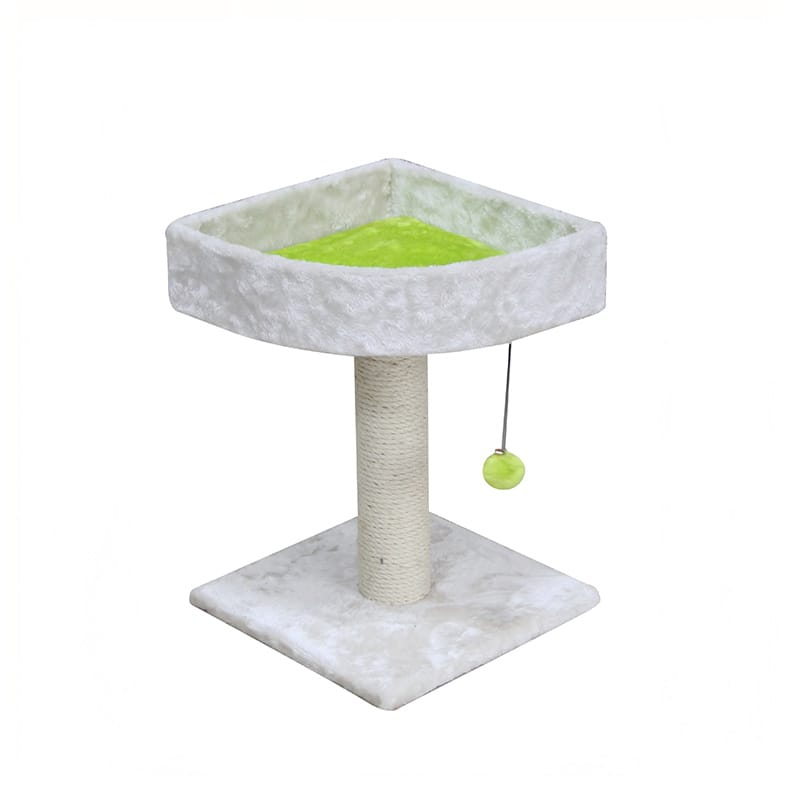
A useful review starts with floor level, friction, foot condition, hardware tightening, part orientation, and wall restraints. write the pre-test setup so suppliers and inspectors reproduce it.
different setups can produce opposite conclusions from the same product. photograph the assembled unit and measure obvious floor gaps. The team can then connect cat tree stability testing with control the floor and assembly setup in the current specification revision.
cat tree stability testing becomes a practical sourcing control in control the floor and assembly setup when the team checks floor level, friction, foot condition, hardware tightening, part orientation, and wall restraints.
For this stage of cat tree stability testing, the approval note should explain write the pre-test setup so suppliers and inspectors reproduce it and retain photograph the assembled unit and measure obvious floor gaps.
Apply loads where cats create leverage
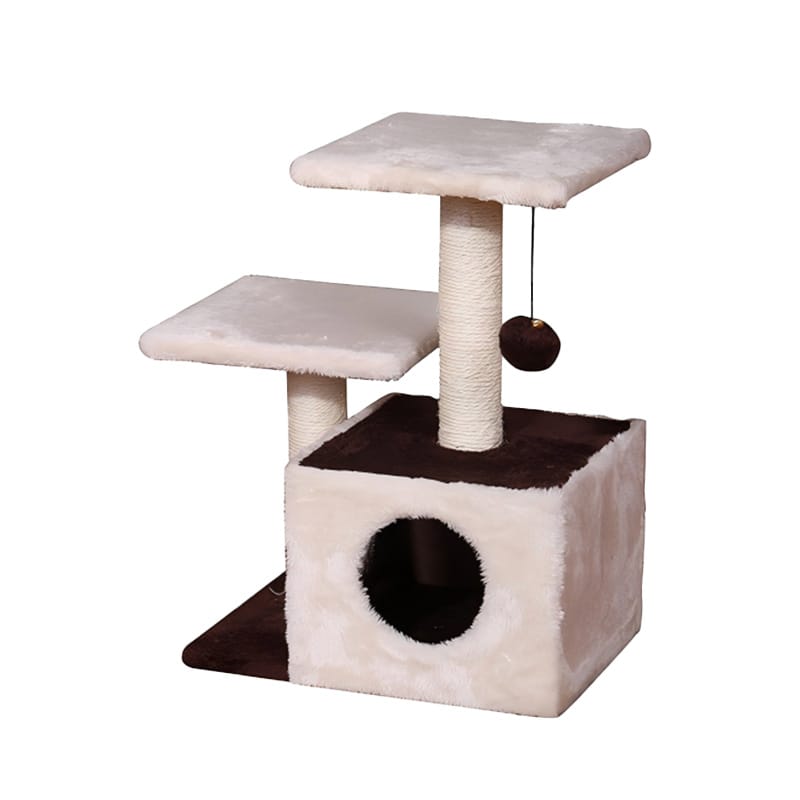
Begin with outer platform edges, top perches, climbing routes, hanging elements, and simultaneous occupancy zones. a centred static load may miss the overturning moment created near an edge.
choose load locations from product geometry and foreseeable use. mark locations on the drawing and keep the same sequence for comparisons. For quality teams building a repeatable stability protocol for bulk orders, this makes cat tree stability testing a documented product choice connected to apply loads where cats create leverage.
cat tree stability testing becomes a practical sourcing control in apply loads where cats create leverage when the team checks outer platform edges, top perches, climbing routes, hanging elements, and simultaneous occupancy zones.
For this stage of cat tree stability testing, the approval note should explain choose load locations from product geometry and foreseeable use and retain mark locations on the drawing and keep the same sequence for comparisons.
Observe recovery as well as maximum movement
The practical starting point is residual lean, loosened joints, shifted feet, damaged inserts, and platform alignment after loading. inspect and retighten only after the post-load condition has been documented.
a product that returns upright can still suffer progressive joint damage. retain before-and-after measurements and close photographs. In this context, cat tree stability testing is credible when the team can trace the result back to retain before-and-after measurements and close photographs.
cat tree stability testing becomes a practical sourcing control in observe recovery as well as maximum movement when the team checks residual lean, loosened joints, shifted feet, damaged inserts, and platform alignment after loading.
For this stage of cat tree stability testing, the approval note should explain inspect and retighten only after the post-load condition has been documented and retain retain before-and-after measurements and close photographs.
| Decision area | What to examine | What to do | Record to retain |
|---|---|---|---|
| Control the floor and assembly setup | floor level, friction, foot condition, hardware tightening, part orientation, and wall restraints | write the pre-test setup so suppliers and inspectors reproduce it | Primary question |
| Apply loads where cats create leverage | a centred static load may miss the overturning moment created near an edge | mark locations on the drawing and keep the same sequence for comparisons | Likely failure |
| Observe recovery as well as maximum movement | inspect and retighten only after the post-load condition has been documented | residual lean, loosened joints, shifted feet, damaged inserts, and platform alignment after loading | Buyer action |
| Compare samples without changing several variables | use a comparison matrix that states what remained constant | a design trial cannot identify the useful change when multiple variables move together | Approval evidence |
Compare samples without changing several variables
A buyer can separate appearance from performance by checking base size, total height, platform offset, post stiffness, hardware, and foot material. a design trial cannot identify the useful change when multiple variables move together.
use a comparison matrix that states what remained constant. alter one main stability factor at a time during development. The approval record for cat tree stability testing should therefore state alter one main stability factor at a time during development and identify who accepted the result.
cat tree stability testing becomes a practical sourcing control in compare samples without changing several variables when the team checks base size, total height, platform offset, post stiffness, hardware, and foot material.
For this stage of cat tree stability testing, the approval note should explain alter one main stability factor at a time during development and retain use a comparison matrix that states what remained constant.
Translate the protocol into production checks
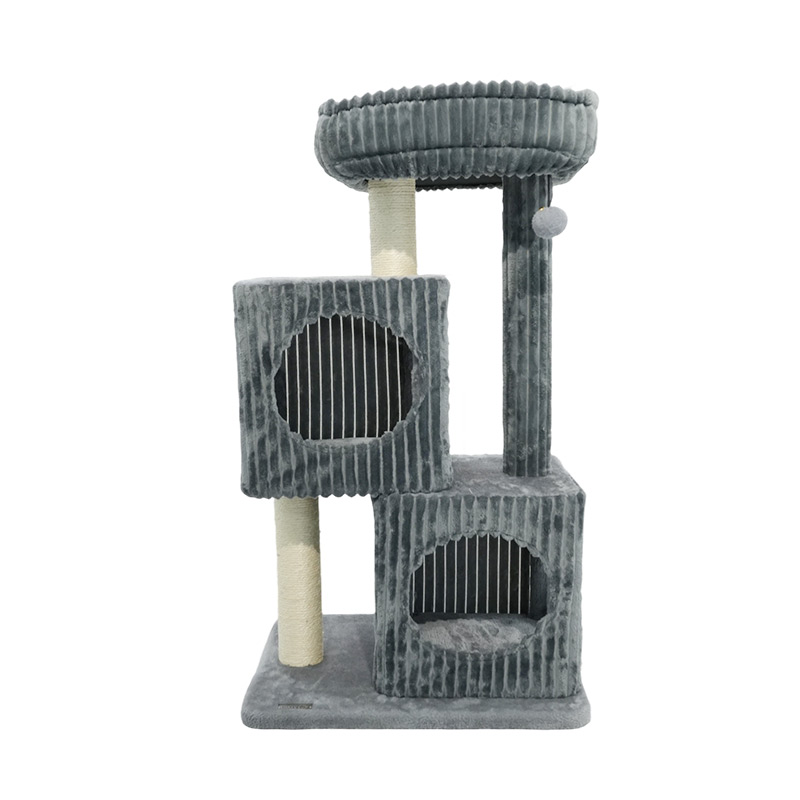
During development, pay particular attention to critical dimensions, base flatness, joint tightness, post angle, foot position, and quick functional observations. link inspection items to drawings, gauges, and defect examples.
identify process checks that protect the validated geometry. full development tests may be impractical on every production unit. This keeps cat tree stability testing focused on critical dimensions, base flatness, joint tightness, post angle, foot position, and quick functional observations, the issue most likely to change the decision in this section.
cat tree stability testing becomes a practical sourcing control in translate the protocol into production checks when the team checks critical dimensions, base flatness, joint tightness, post angle, foot position, and quick functional observations.
For this stage of cat tree stability testing, the approval note should explain identify process checks that protect the validated geometry and retain link inspection items to drawings, gauges, and defect examples.
Useful resources for the next review
Related pages on this site include cat tree quality control checklist, cat furniture sample evaluation guide, cat furniture product range, contact the product team. Use them to connect this decision with sample approval, product development, packaging, and supplier communication.
Authoritative starting points include ISO 2859-1 acceptance-sampling overview, European Commission REACH overview, EU product safety information, FSC chain-of-custody guidance. Applicability depends on the product, material, destination, and claims, so confirm current requirements with qualified specialists rather than treating a general webpage as product-specific approval.
Include packaging and reassembly in validation
The strongest decision signal comes from carton compression, part deformation, hardware migration, coverings, and customer assembly after transit. rebuild a packed and transported unit before final approval.
record any changed gaps, alignment, or tightening behaviour. a stable engineering sample may behave differently after shipping and repeated disassembly. For repeat orders, cat tree stability testing should preserve this conclusion through record any changed gaps, alignment, or tightening behaviour.
cat tree stability testing becomes a practical sourcing control in include packaging and reassembly in validation when the team checks carton compression, part deformation, hardware migration, coverings, and customer assembly after transit.
Use wall straps as a defined control, not a vague cure
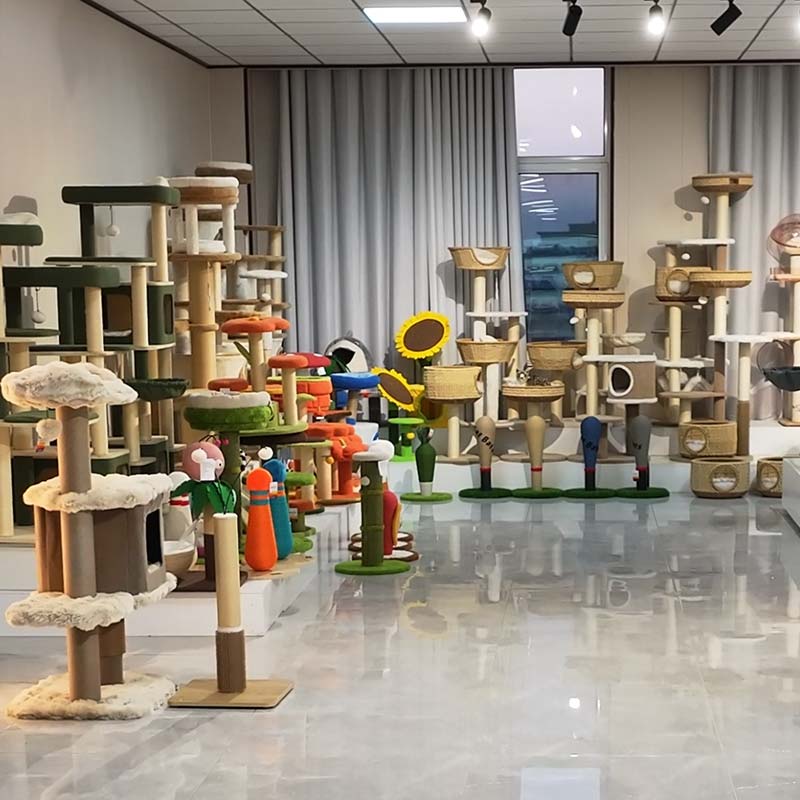
For this product type, the critical issue is strap material, anchor point, hardware, user instructions, wall suitability, and product behaviour without the strap. a restraint does not excuse an unstable free-standing geometry or unclear installation.
state the intended role and limitations of the restraint. verify attachment strength and instruction clarity on the production configuration. A useful review of cat tree stability testing turns the finding into an action: state the intended role and limitations of the restraint.
cat tree stability testing becomes a practical sourcing control in use wall straps as a defined control, not a vague cure when the team checks strap material, anchor point, hardware, user instructions, wall suitability, and product behaviour without the strap.
Frequently Asked Questions
What is the difference between rocking and tipping?
name the failure mode before changing the design record video angle, floor surface, load position, and assembly condition For this question, cat tree stability testing depends on the exact movement observed at the feet, base, joints, posts, and upper platforms, and the accepted answer belongs in the controlled product record.
Which floor should be used for a stability check?
write the pre-test setup so suppliers and inspectors reproduce it photograph the assembled unit and measure obvious floor gaps For this question, cat tree stability testing depends on floor level, friction, foot condition, hardware tightening, part orientation, and wall restraints, and the accepted answer belongs in the controlled product record.
Where should test loads be applied?
choose load locations from product geometry and foreseeable use mark locations on the drawing and keep the same sequence for comparisons For this question, cat tree stability testing depends on outer platform edges, top perches, climbing routes, hanging elements, and simultaneous occupancy zones, and the accepted answer belongs in the controlled product record.
Does a wall strap replace base stability?
inspect and retighten only after the post-load condition has been documented retain before-and-after measurements and close photographs For this question, cat tree stability testing depends on residual lean, loosened joints, shifted feet, damaged inserts, and platform alignment after loading, and the accepted answer belongs in the controlled product record.
How can stability be checked during production?
alter one main stability factor at a time during development use a comparison matrix that states what remained constant For this question, cat tree stability testing depends on base size, total height, platform offset, post stiffness, hardware, and foot material, and the accepted answer belongs in the controlled product record.
Create one stability language for design and inspection
A useful protocol defines the setup, load location, movement type, post-load inspection, evidence, and production controls so different reviewers reach comparable decisions. Contact the product team with the target market, intended user, dimensions, materials, packaging format, and the decisions that still need technical confirmation.