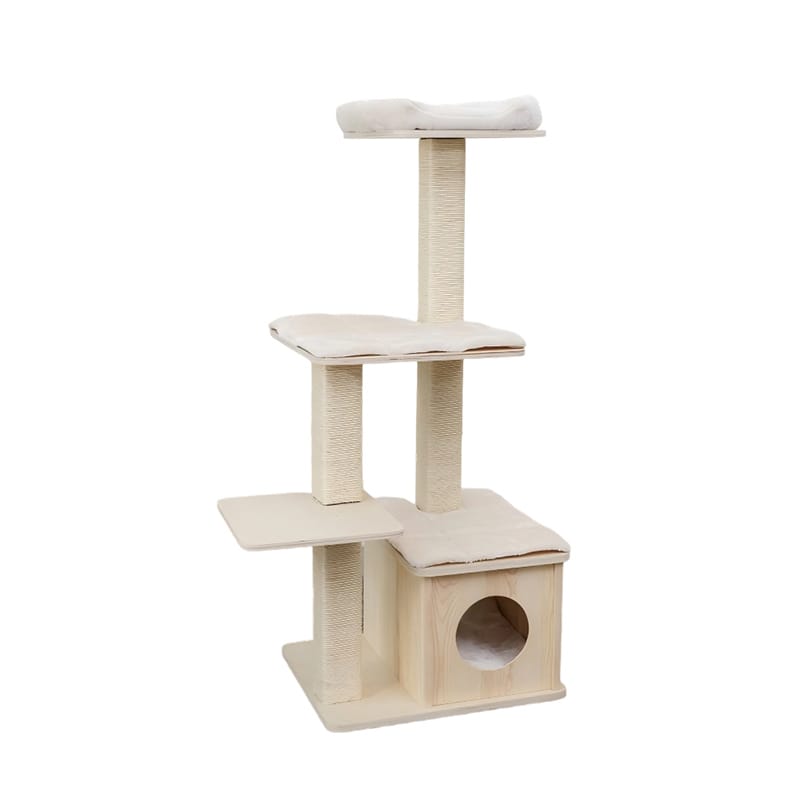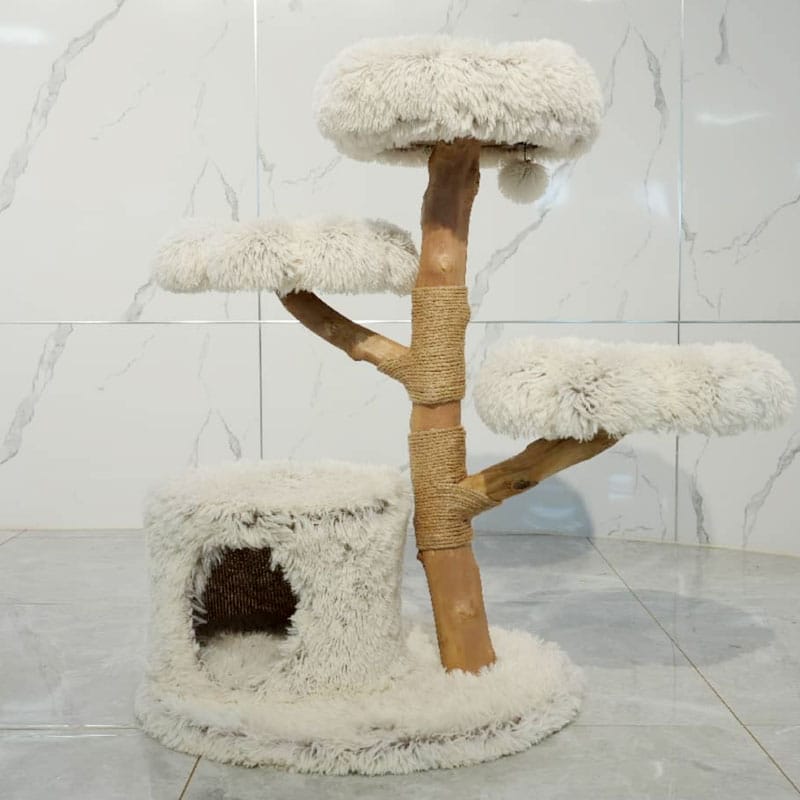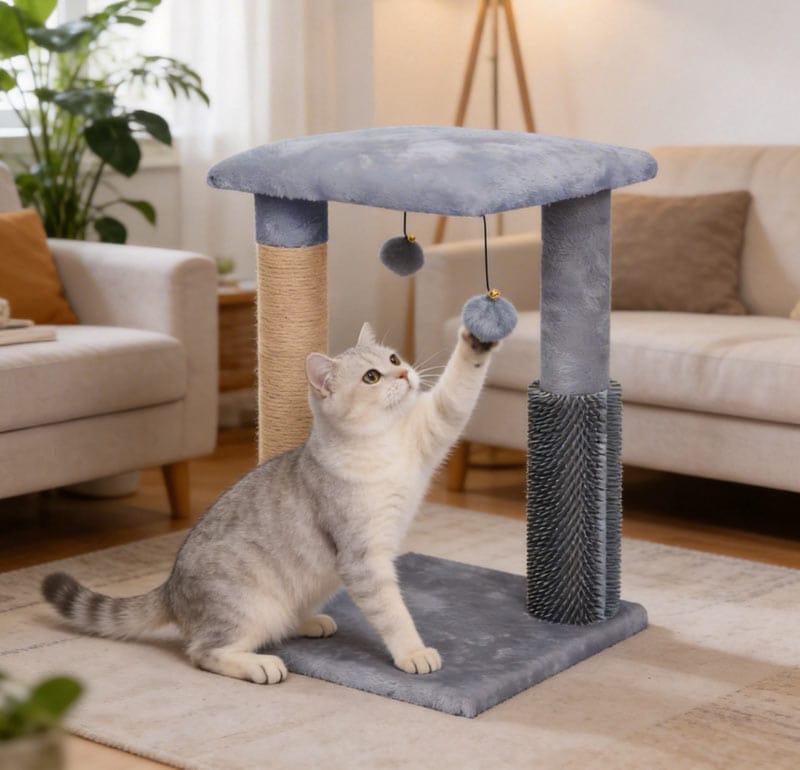
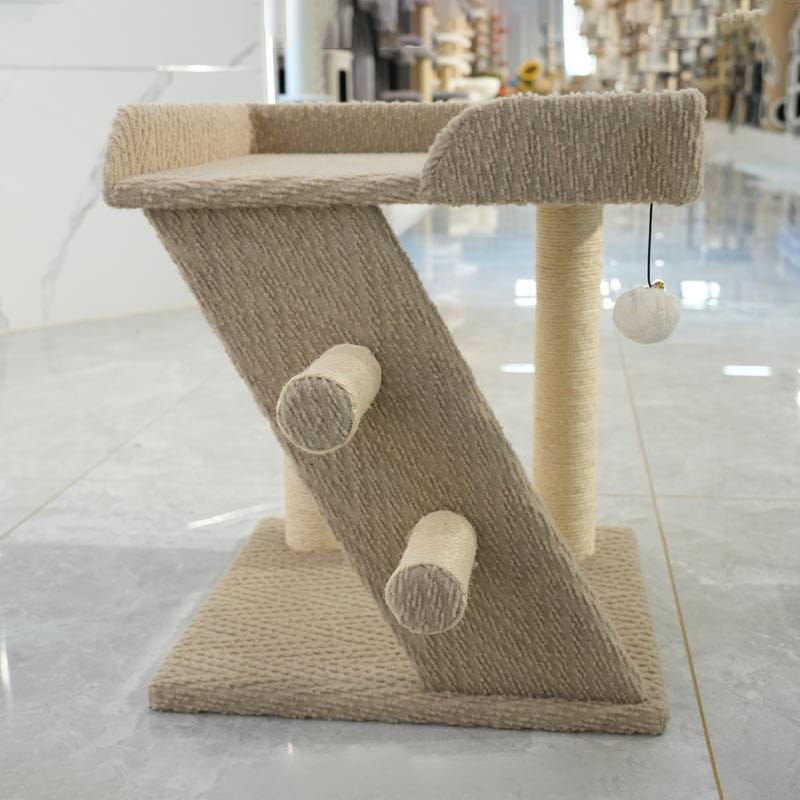
The way cats interact with home furniture has become one of the most overlooked challenges in modern pet ownership. Sofas, wooden cabinets, and interior décor often bear the consequences of natural scratching behavior, especially in indoor environments where alternatives are limited.
Over the past few years, the furniture cat scratcher category has quietly shifted from a simple pet accessory into a design-driven product segment that sits at the intersection of pet behavior science and home aesthetics. For manufacturers and B2B buyers, this shift is not cosmetic—it is structural, reshaping how products are designed, produced, and evaluated in global markets.
Table of Contents
Rethinking the “Scratch Problem” in Modern Homes
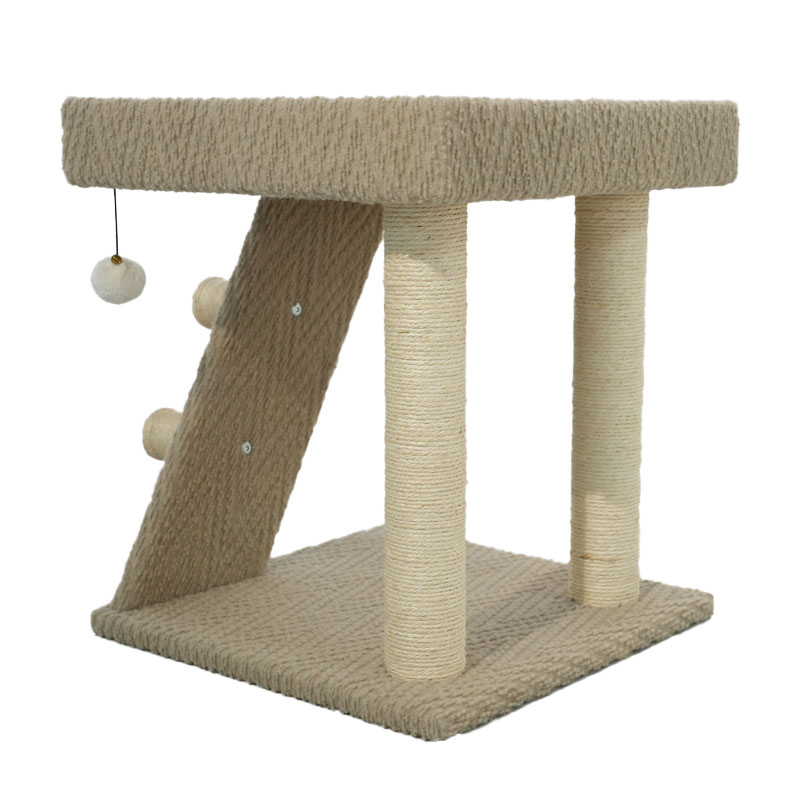
Most discussions around scratching behavior still focus on damage control. In reality, the behavior itself is not the problem—it is the environment.
Cats scratch for instinctive reasons: claw maintenance, stretching, and territorial signaling. When indoor spaces lack appropriate alternatives, furniture becomes the default surface.
What has changed in recent years is not the behavior, but the expectation of how homes should respond to it. Instead of adding a separate “pet object” into a room, homeowners increasingly prefer integrated solutions that feel like part of the living space.
This is where the furniture cat scratcher category has evolved into something more intentional: a functional piece of furniture that quietly solves a behavioral need without disrupting interior design.
When Pet Furniture Stops Looking Like Pet Furniture
A noticeable shift in product design has emerged across global markets. Traditional scratching posts are no longer the dominant reference point. Instead, low-profile, furniture-like structures are becoming more common.
What defines this newer generation of products is not just material or shape, but intent:
- It should not look temporary
- It should not feel visually disruptive
- It should function without requiring explanation
In many modern interiors, a furniture cat scratcher is expected to blend in so naturally that it becomes invisible until used.
This design direction is pushing manufacturers to rethink everything from structure geometry to surface material transitions.
The Hidden Engineering Behind a Stable Scratch Surface
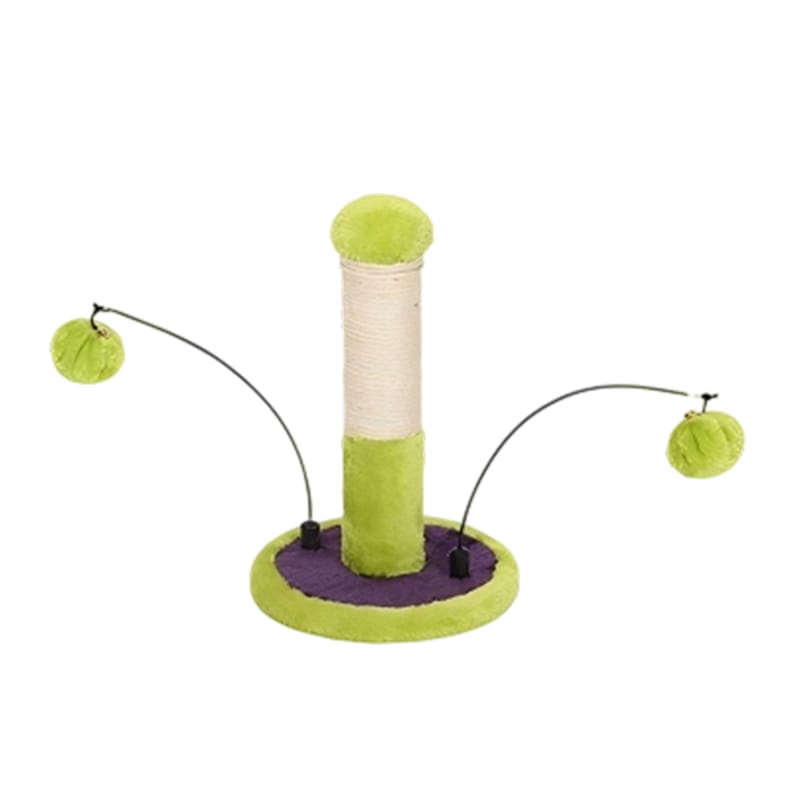
From a manufacturing perspective, a scratcher is often underestimated as a simple product. In practice, it involves a careful balance between material resistance, surface texture, and structural stability.
A well-performing unit typically depends on three invisible factors:
- Surface Density Control
The scratching surface must be firm enough to resist collapse but soft enough to allow claw penetration. - Load Distribution Design
When cats jump, stretch, or lean, pressure is uneven. Internal structure must distribute force without deformation. - Edge Durability Treatment
Edges are usually the first failure point, especially in high-use environments.
These details rarely appear in marketing descriptions, but they are what separates long-lasting products from short-cycle replacements.
Why Furniture Integration Matters More Than Shape
One of the more interesting shifts in consumer behavior is that shape alone no longer defines product preference. Instead, placement compatibility has become more important.
A scratcher placed in the middle of a living room is often rejected by homeowners, regardless of how functional it is. But a design that aligns with sofas, walls, or side furniture tends to remain in use longer.
This has led to the rise of furniture-aligned scratching systems that act as extensions of existing household objects rather than standalone items.
In practical terms, this means manufacturers are no longer just designing pet products—they are designing household integration points.
Material Selection Is Quietly Becoming a Competitive Advantage
While design often receives the most attention, material selection is where long-term product performance is actually determined.
Common structural approaches include layered corrugated fiber systems, natural fiber wrapping, and engineered wood frameworks. However, the real differentiation lies in how these materials are combined rather than what they are individually.
A growing focus in production is sustainability—not as a marketing label, but as a functional requirement driven by global retail standards and consumer expectations.
At the same time, consistency across batches has become just as important as initial quality. A product that performs well once but varies in durability over time quickly loses trust in wholesale channels.
OEM Manufacturing Has Become a Product Strategy, Not Just a Service
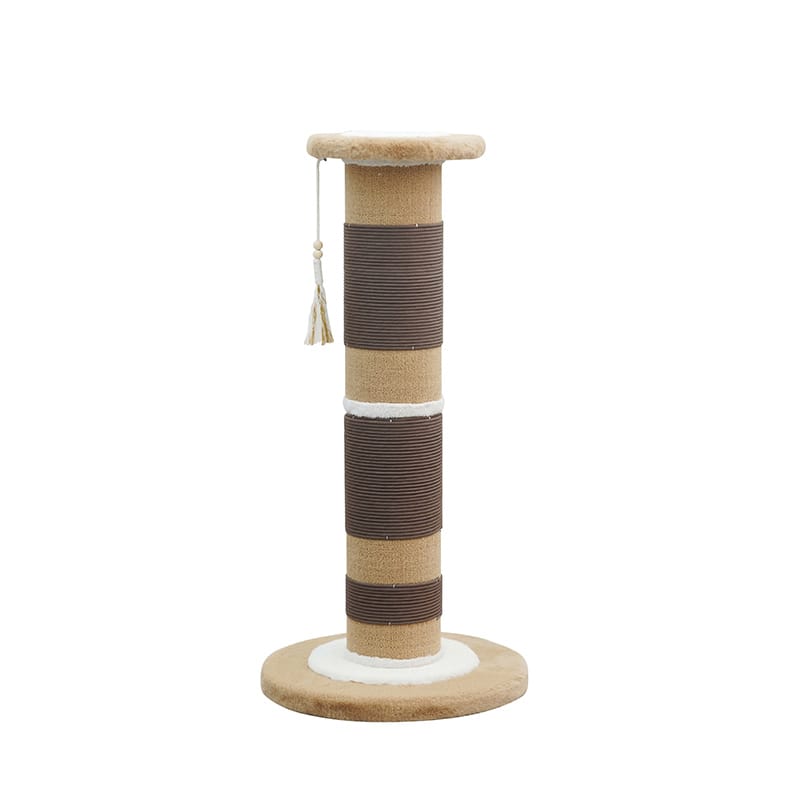
For many pet brands and distributors, OEM production is no longer just outsourcing. It has become part of product positioning.
Instead of selecting ready-made designs, buyers increasingly define:
- Structural concepts
- Surface materials
- Brand-specific visual identity
- Packaging logic for retail environments
This shift has changed the role of manufacturers. They are now expected to function as development partners rather than production endpoints.
In competitive markets, the ability to translate a concept into a scalable physical product is often more valuable than any single design itself.
Why Wholesale Supply Models Still Matter in a Fragmented Market
Even with the rise of direct-to-consumer channels, wholesale distribution remains a core pillar in the pet furniture industry.
The reason is simple: consistency at scale.
Retailers and distributors are not only buying products—they are buying repeatability. The ability to maintain identical quality across multiple shipments is what sustains long-term partnerships.
For furniture cat scratcher products, this is especially important because small structural inconsistencies can significantly affect usability and durability perception.
Where Product Design Is Heading Next
The next phase of development in this category is not about adding more features. It is about refinement.
Three clear directions are emerging:
- Reduced visual footprint in living spaces
- Multi-functional structures that combine rest and scratching zones
- Increased use of neutral, architecture-inspired design language
At the same time, the boundary between pet furniture and interior furniture continues to blur. In some cases, the distinction is becoming irrelevant altogether.
This convergence is likely to define the next generation of product development in the category.
Manufacturing Perspective: What Actually Determines Product Success
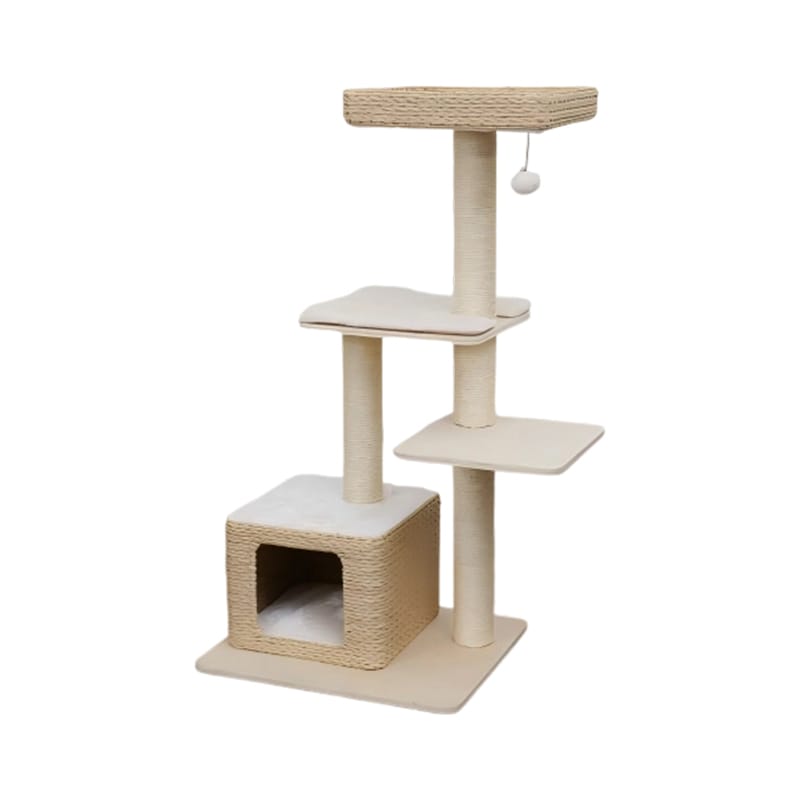
From a production standpoint, successful products tend to share a few consistent traits:
- Predictable material behavior under repeated use
- Structural balance between flexibility and resistance
- Minimal variation between production batches
- Compatibility with different interior environments
- Clear functional purpose without over-designing
Interestingly, the most successful products are often not the most complex—they are the most stable over time.
Conclusion
The furniture cat scratcher category reflects a broader shift in how pet products are designed and evaluated. Function alone is no longer enough, and appearance alone is not sufficient either. The most successful products sit somewhere in between—quietly integrated into daily life while solving a very specific behavioral need.
For manufacturers and global buyers, this means the focus is no longer just on production capacity, but on design interpretation, material consistency, and long-term usability.
As pet ownership continues to evolve globally, products that merge into living environments rather than stand apart from them will continue to define the direction of the industry.
FAQ
What is a furniture cat scratcher used for?
It is designed to redirect cats’ natural scratching behavior away from sofas, chairs, and wooden furniture, helping protect home interiors while supporting claw health.
Why do indoor cats need a furniture cat scratcher?
Indoor cats rely on scratching for claw maintenance, stretching, and territory marking. Without proper alternatives, they often target household furniture.
What materials are commonly used in furniture cat scratchers?
Typical materials include corrugated fiberboard, sisal fiber, and engineered wood, selected for durability, texture, and safety.
How is a furniture cat scratcher different from a scratching post?
A furniture cat scratcher is usually designed to blend into home interiors and may integrate with furniture structures, while scratching posts are standalone vertical units.
Can furniture cat scratchers be customized for brands or wholesale orders?
Yes, manufacturers often support OEM and wholesale customization, including structure design, branding, packaging, and material selection for different markets.