Table of Contents
- Give cats more than one valuable destination
- Create routes that avoid forced confrontation
- Size platforms for passing and settling
- Design for uneven simultaneous loading
- Increase scratching capacity without crowding
- Separate rest textiles for practical cleaning
- Avoid toys becoming shared failure points
- Merchandise capacity without unsupported promises
- Useful resources for the next review
- Frequently Asked Questions
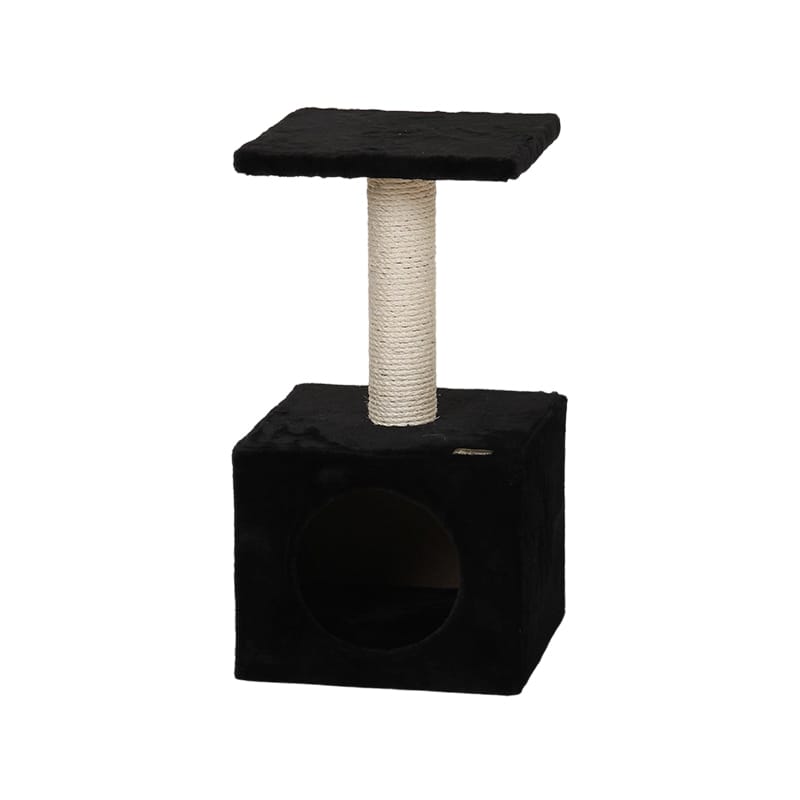
A taller cat tree is not automatically a multi-cat product. Several cats need choices: separate approach routes, more than one desirable resting place, surfaces that do not create bottlenecks, and a structure that remains stable under uneven simultaneous loading.
multi cat cat tree design is the focus of this guide because the buyer is trying to create enough routes, rest zones, scratching capacity, and structural margin for simultaneous use. The discussion follows the decisions that actually change product performance, customer use, inspection evidence, and repeat-order consistency.
Give cats more than one valuable destination
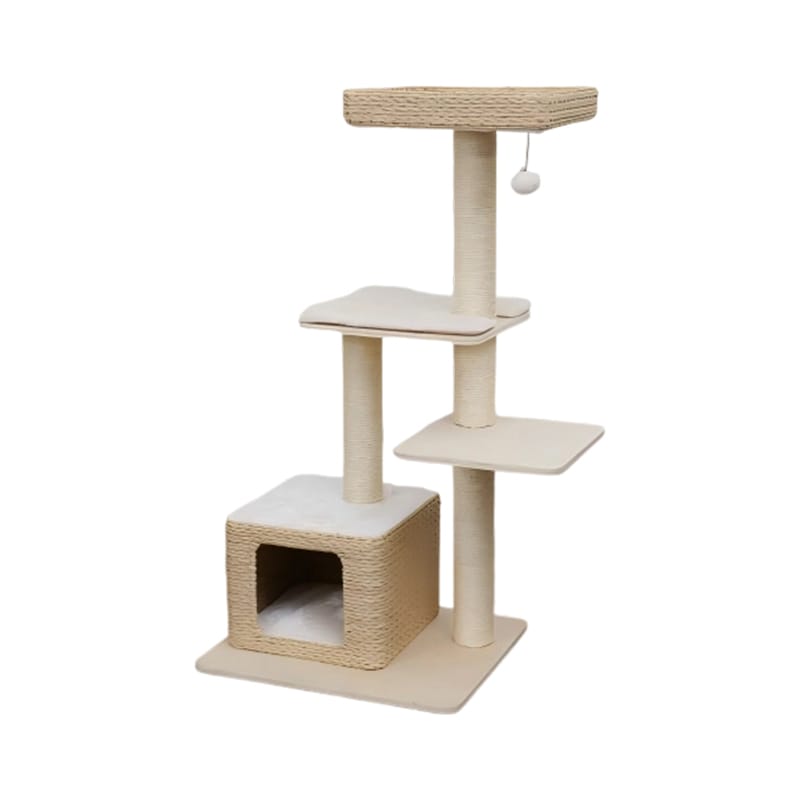
Treat perch height, cave privacy, cushion comfort, view, warmth, and scratching access as a design input, not a final-inspection detail. balance desirable locations across the structure.
multiple low-value shelves do not replace two genuinely attractive rest zones. identify the product features cats are likely to compete for. That evidence lets retail product teams developing furniture for households with several cats revisit multi cat cat tree design without depending on memory or an unlabeled prototype.
multi cat cat tree design becomes a practical sourcing control in give cats more than one valuable destination when the team checks perch height, cave privacy, cushion comfort, view, warmth, and scratching access.
For this stage of multi cat cat tree design, the approval note should explain identify the product features cats are likely to compete for and retain balance desirable locations across the structure.
Create routes that avoid forced confrontation
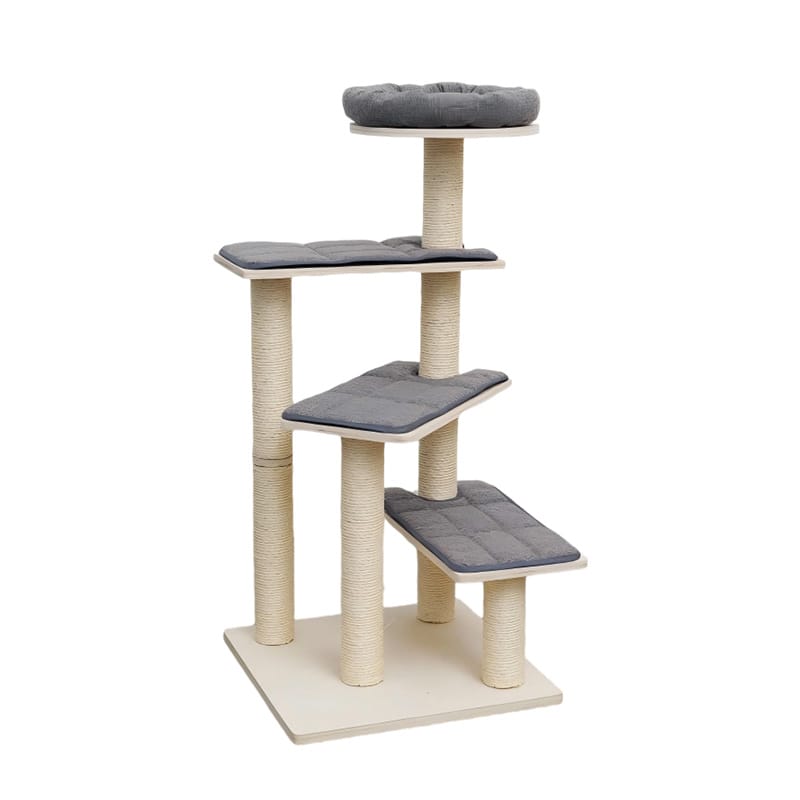
A useful review starts with approach direction, platform overlap, turning space, vertical gaps, dead ends, and escape paths. review movement from floor to every destination in both directions.
one narrow route can make an otherwise large product unusable for a cautious cat. use plan and elevation drawings to mark bottlenecks. The team can then connect multi cat cat tree design with create routes that avoid forced confrontation in the current specification revision.
multi cat cat tree design becomes a practical sourcing control in create routes that avoid forced confrontation when the team checks approach direction, platform overlap, turning space, vertical gaps, dead ends, and escape paths.
For this stage of multi cat cat tree design, the approval note should explain review movement from floor to every destination in both directions and retain use plan and elevation drawings to mark bottlenecks.
Size platforms for passing and settling
Begin with usable area after posts, edge shape, cushion footprint, opening location, and adjacent traffic. nominal dimensions overstate space when structural parts occupy the platform.
measure the clear resting and turning zone. approve usable dimensions on the finished covered component. For retail product teams developing furniture for households with several cats, this makes multi cat cat tree design a documented product choice connected to size platforms for passing and settling.
multi cat cat tree design becomes a practical sourcing control in size platforms for passing and settling when the team checks usable area after posts, edge shape, cushion footprint, opening location, and adjacent traffic.
For this stage of multi cat cat tree design, the approval note should explain measure the clear resting and turning zone and retain approve usable dimensions on the finished covered component.
Design for uneven simultaneous loading
The practical starting point is two cats on one side, one cat landing high, occupied cave, outer-edge loads, and post flex. evaluate realistic combinations rather than one centred load.
symmetrical design does not guarantee symmetrical use. record movement and joint condition after repeated loading. In this context, multi cat cat tree design is credible when the team can trace the result back to record movement and joint condition after repeated loading.
multi cat cat tree design becomes a practical sourcing control in design for uneven simultaneous loading when the team checks two cats on one side, one cat landing high, occupied cave, outer-edge loads, and post flex.
| Decision area | What to examine | What to do | Record to retain |
|---|---|---|---|
| Create routes that avoid forced confrontation | approach direction, platform overlap, turning space, vertical gaps, dead ends, and escape paths | review movement from floor to every destination in both directions | Primary question |
| Size platforms for passing and settling | nominal dimensions overstate space when structural parts occupy the platform | approve usable dimensions on the finished covered component | Likely failure |
| Design for uneven simultaneous loading | evaluate realistic combinations rather than one centred load | two cats on one side, one cat landing high, occupied cave, outer-edge loads, and post flex | Buyer action |
| Increase scratching capacity without crowding | identify replaceable high-wear components | several short covered posts may provide less useful scratching than one unobstructed surface | Approval evidence |
Increase scratching capacity without crowding
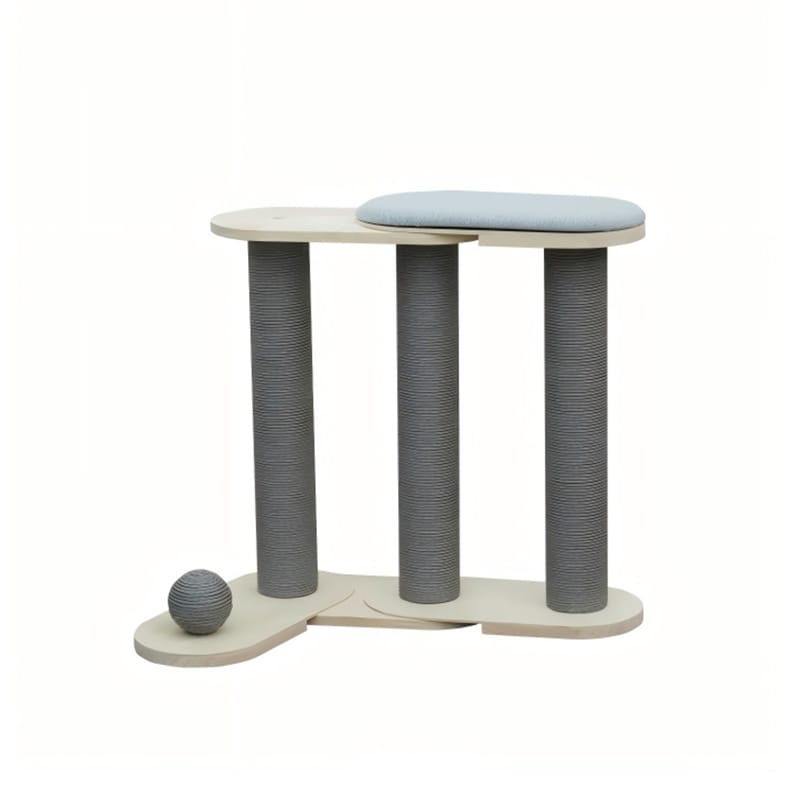
A buyer can separate appearance from performance by checking post height, diameter, reachable surfaces, material variety, wear zones, and route location. several short covered posts may provide less useful scratching than one unobstructed surface.
identify replaceable high-wear components. count usable scratching zones from the cat position. The approval record for multi cat cat tree design should therefore state count usable scratching zones from the cat position and identify who accepted the result.
multi cat cat tree design becomes a practical sourcing control in increase scratching capacity without crowding when the team checks post height, diameter, reachable surfaces, material variety, wear zones, and route location.
Separate rest textiles for practical cleaning
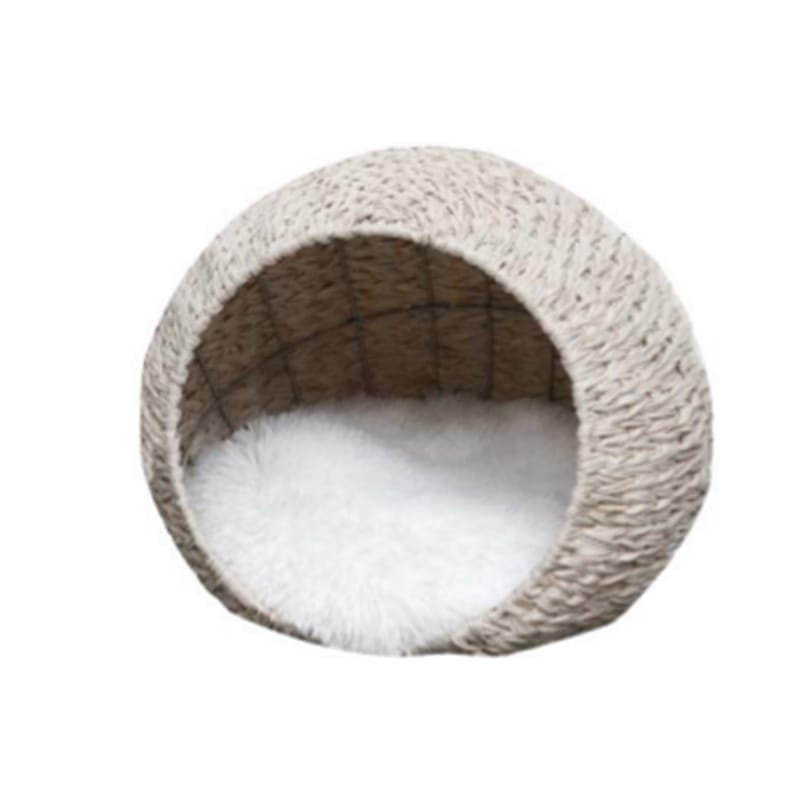
During development, pay particular attention to removable cushions, covers, cave pads, attachment, hair traps, and independent washing. test removal and refitting on the assembled sample.
make soft goods removable without dismantling the frame. multi-cat use increases the value of quick local cleaning. This keeps multi cat cat tree design focused on removable cushions, covers, cave pads, attachment, hair traps, and independent washing, the issue most likely to change the decision in this section.
multi cat cat tree design becomes a practical sourcing control in separate rest textiles for practical cleaning when the team checks removable cushions, covers, cave pads, attachment, hair traps, and independent washing.
Useful resources for the next review
Related pages on this site include cat furniture product range, cat furniture sample evaluation guide, sisal scratching post material guide, contact the product team. Use them to connect this decision with sample approval, product development, packaging, and supplier communication.
Authoritative starting points include EU product safety information, European Commission REACH overview, CPSC small-parts business guidance, FSC chain-of-custody guidance. Applicability depends on the product, material, destination, and claims, so confirm current requirements with qualified specialists rather than treating a general webpage as product-specific approval.
Avoid toys becoming shared failure points
The strongest decision signal comes from toy position, cord length, attachment strength, replaceability, interference with routes, and supervision language. keep accessories away from critical paths and make worn items replaceable.
inspect attachment after use simulation. one hanging toy can block movement or become damaged quickly under repeated use. For repeat orders, multi cat cat tree design should preserve this conclusion through inspect attachment after use simulation.
multi cat cat tree design becomes a practical sourcing control in avoid toys becoming shared failure points when the team checks toy position, cord length, attachment strength, replaceability, interference with routes, and supervision language.
Merchandise capacity without unsupported promises
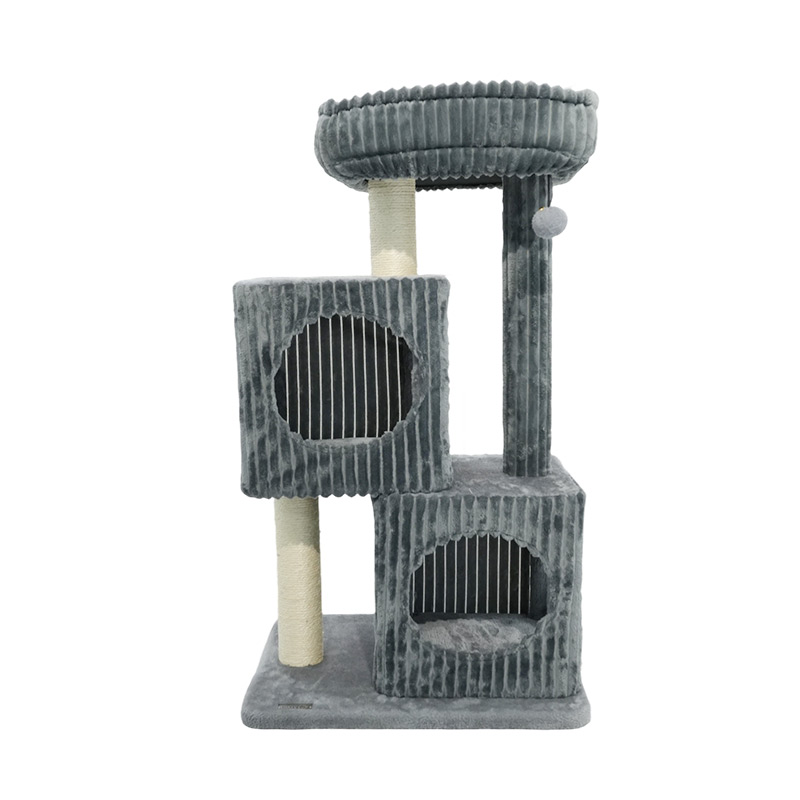
For this product type, the critical issue is platform dimensions, product mass, intended cat profile, stability, and household variation. a simple cat-count claim can mislead when cat size and behaviour differ.
describe functional zones and dimensions rather than guaranteeing occupancy. align packaging statements with the evaluated configuration. A useful review of multi cat cat tree design turns the finding into an action: describe functional zones and dimensions rather than guaranteeing occupancy.
multi cat cat tree design becomes a practical sourcing control in merchandise capacity without unsupported promises when the team checks platform dimensions, product mass, intended cat profile, stability, and household variation.
Frequently Asked Questions
How many resting zones should a multi-cat tree have?
identify the product features cats are likely to compete for balance desirable locations across the structure For this question, multi cat cat tree design depends on perch height, cave privacy, cushion comfort, view, warmth, and scratching access, and the accepted answer belongs in the controlled product record.
Why are alternative routes important?
review movement from floor to every destination in both directions use plan and elevation drawings to mark bottlenecks For this question, multi cat cat tree design depends on approach direction, platform overlap, turning space, vertical gaps, dead ends, and escape paths, and the accepted answer belongs in the controlled product record.
How should simultaneous loading be evaluated?
measure the clear resting and turning zone approve usable dimensions on the finished covered component For this question, multi cat cat tree design depends on usable area after posts, edge shape, cushion footprint, opening location, and adjacent traffic, and the accepted answer belongs in the controlled product record.
Do more scratching posts always add capacity?
evaluate realistic combinations rather than one centred load record movement and joint condition after repeated loading For this question, multi cat cat tree design depends on two cats on one side, one cat landing high, occupied cave, outer-edge loads, and post flex, and the accepted answer belongs in the controlled product record.
Can packaging guarantee a specific number of cats?
count usable scratching zones from the cat position identify replaceable high-wear components For this question, multi cat cat tree design depends on post height, diameter, reachable surfaces, material variety, wear zones, and route location, and the accepted answer belongs in the controlled product record.
Plan multi-cat use as movement, not just capacity
A credible multi-cat design combines desirable destinations, passing routes, usable platform space, uneven loading, cleaning, scratching wear, and careful product claims. Contact the product team with the target market, intended user, dimensions, materials, packaging format, and the decisions that still need technical confirmation.