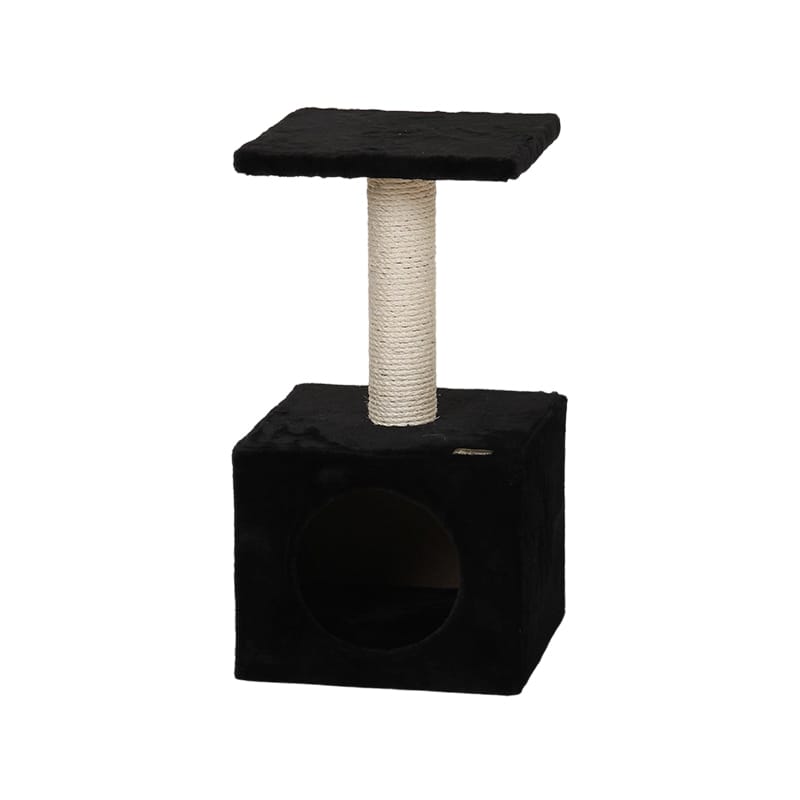
ODM cat furniture development is useful for buyers who need more than a standard catalog item. A pet brand may want a compact cat tree with a softer home style. A distributor may need a product line that includes scratchers, cat beds, and wooden towers. An importer may want a new structure that fits local home preferences without starting from a blank page. In each case, ODM cat furniture connects product ideas with practical factory development.
The goal of ODM cat furniture is not to create complexity for its own sake. The goal is to develop products that cats can use, customers can assemble, and factories can produce consistently. This guide explains how buyers can move from idea to production sample while keeping structure, material, function, and packaging under control.
What ODM Means for Cat Furniture Buyers
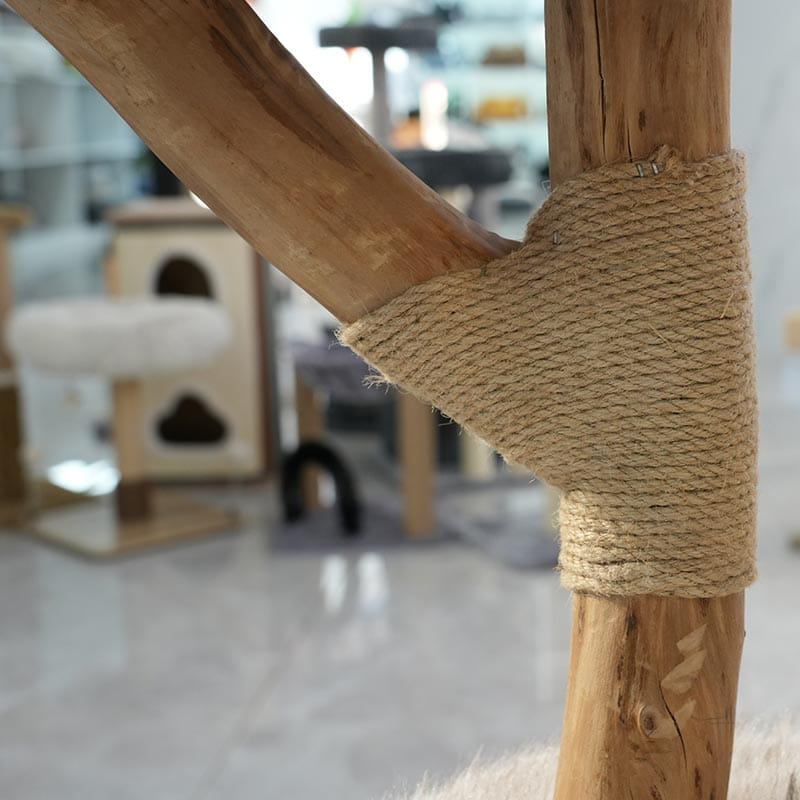
ODM cat furniture usually means the manufacturer supports design development, structure planning, material selection, sample creation, and production preparation. The buyer may provide a target market, product style, size direction, color preference, or function list. The factory then helps turn that direction into a manufacturable product.
This is different from simply choosing an existing item and changing the logo. ODM cat furniture can involve platform shape, post layout, cave size, cushion fixing, fabric choice, scratching material, toy placement, and carton structure. It requires communication between the buyer and factory because every design choice affects cost, assembly, stability, and user experience.
Buyers who are new to this process may first review the original design manufacturer concept. For cat products, the important point is practical cooperation: the factory contributes production knowledge while the buyer defines market needs and brand direction.
Define the Market Position First
Before a factory can develop ODM cat furniture, the buyer should define who the product is for. A minimalist apartment tree should not be designed the same way as a heavy-duty multi-cat tower. A natural woven cat bed has different expectations from a plush entry-level scratcher. Without a clear position, the sample may become a mix of features that do not serve one customer well.
Useful starting questions include: Is the product for small spaces, large cats, modern home decor, natural materials, daily scratching, or multi-functional use? Does the buyer need a single hero product or a full product family? Should the design prioritize compact packing, premium appearance, easy assembly, or replaceable parts? These answers guide ODM cat furniture development more effectively than vague requests such as “make it high quality.”
Hanyang’s cat furniture and pet supplies categories show how different structures serve different needs. A buyer can use existing products as references, then request adjustments that fit a private-label program.
Turning an Idea Into a Structure
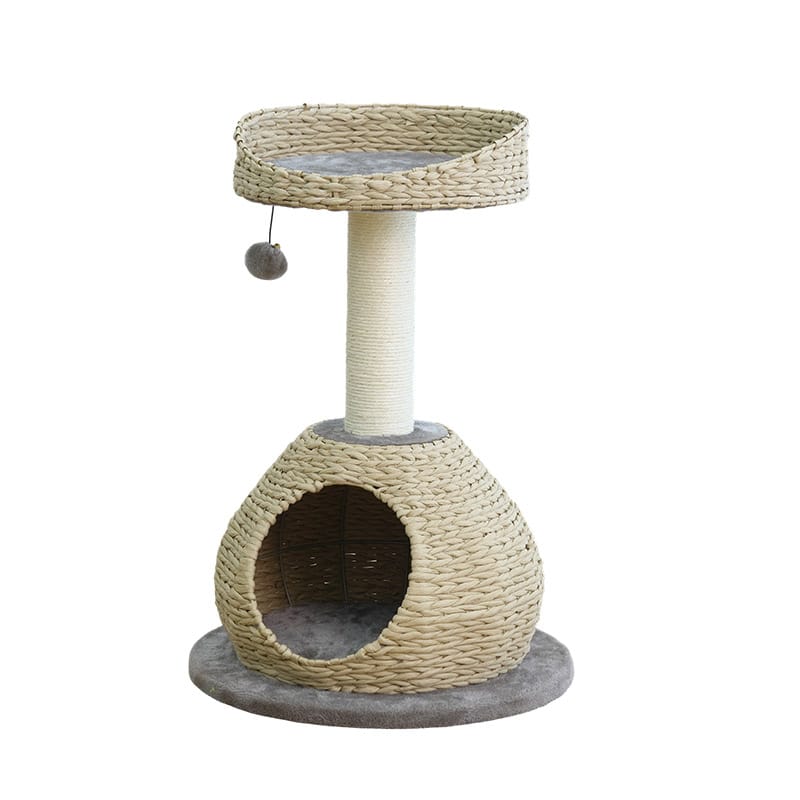
Once the position is clear, ODM cat furniture development moves into structure. The factory should consider base size, height, climbing route, platform dimensions, scratching zones, resting areas, and assembly sequence. Cat behavior matters here. Cats need stable places to climb, scratch, hide, stretch, and observe. AAHA discusses indoor enrichment needs such as vertical space and scratching opportunities, which are directly relevant to cat furniture design.
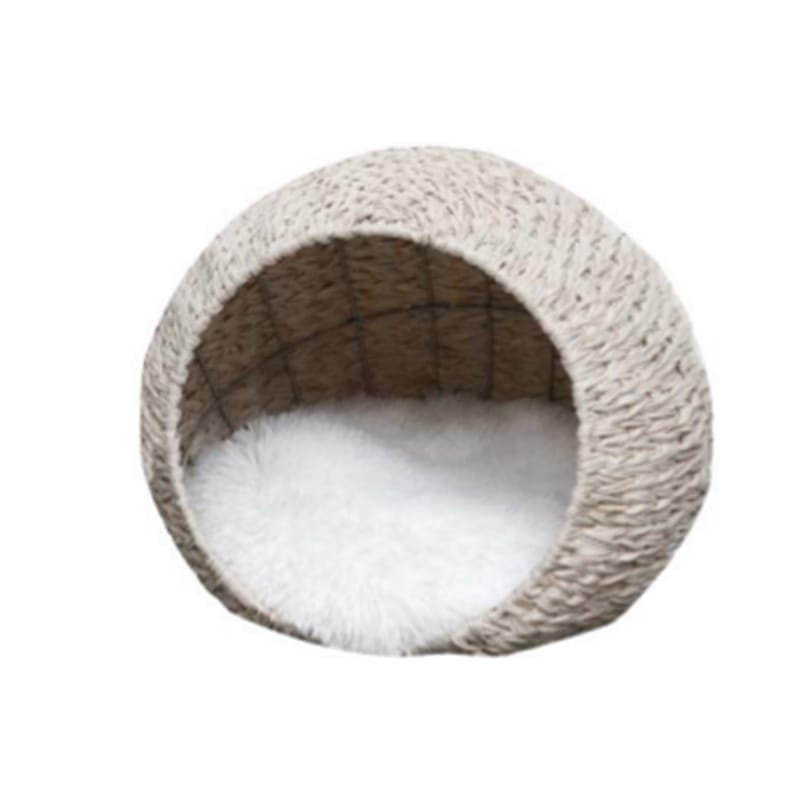
A good ODM cat furniture structure balances visual style with feline use. For example, a wooden tower may look elegant but still needs enough platform area. A woven cat bed may look natural but still needs secure support. A small scratcher may fit apartments but still needs enough surface length for stretching. Buyers should ask the factory to explain why each part exists, not only how it looks.
| Design Question | Why It Matters | Example Direction |
|---|---|---|
| How will cats climb? | Prevents awkward jumps | Stepped platforms or angled board |
| Where will cats scratch? | Supports natural behavior | Sisal post or scratching mat |
| Where will cats rest? | Improves daily use | Wide platform, cave, or soft bed |
| How will users assemble it? | Reduces complaints | Clear hardware and labeled parts |
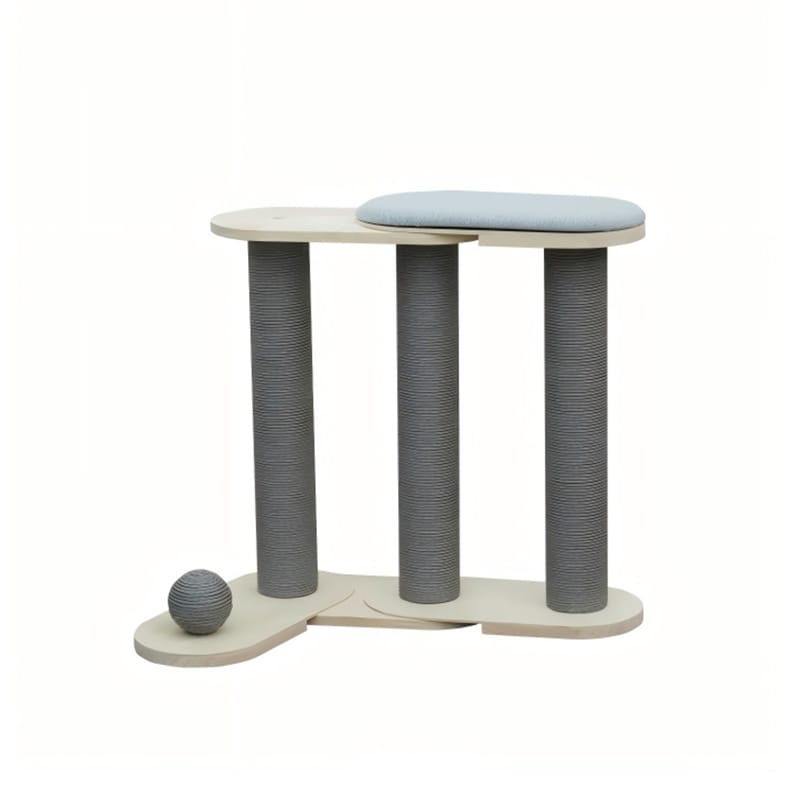
Buyers can also use existing models such as the 2-in-1 cat climbing pillar and cat bed as a reference for combining scratching, resting, and climbing in one compact product. ODM cat furniture does not always need to be large; it needs to be purposeful.
Sample Review and Adjustment
The first sample is rarely the final answer. ODM cat furniture buyers should inspect stability, material finish, color match, cushion fit, sisal wrapping, hardware alignment, and packaging method. If the product includes wood-based parts, buyers may also discuss responsible sourcing concepts from the Forest Stewardship Council. If the project requires a broader quality management discussion, ISO 9001 can provide general language for process control.
Feedback should be specific. Instead of saying the product feels unstable, note whether the base is too narrow, the top platform moves, or the post connection twists. Instead of saying the fabric looks wrong, compare the sample to the approved color or texture. ODM cat furniture development becomes smoother when each adjustment is connected to a visible detail.
Moving From Sample to Production
After the sample is approved, ODM cat furniture development should move into documentation. Buyers should confirm dimensions, materials, colors, hardware list, packing method, labels, and instructions. The approved sample should become the reference for bulk production. If any detail changes, the buyer should know before production starts.
This step is especially important for private-label programs. Branding, packaging, manuals, and product naming need to match the buyer’s market. For more ideas on serviceable features, buyers can review Hanyang’s guide to replaceable cat tree parts. For inspection planning, the cat tree quality control checklist can help define what to review before bulk orders.
ODM cat furniture works best when the factory and buyer treat development as a shared process. The buyer understands the market. The factory understands production. When both sides communicate clearly, the result is a product that is attractive, stable, usable, and easier to manufacture consistently.
Buyers should also decide how much originality is truly needed. Some ODM cat furniture projects only require a new combination of proven parts, such as a different platform layout, fabric color, or scratching surface. Others require a more complete structural direction. Being honest about the level of change helps control sample time and reduces avoidable revisions.
A practical ODM cat furniture brief should include target users, preferred materials, rough dimensions, expected functions, packaging needs, and any brand requirements. Photos can be helpful as style references, but buyers should avoid asking a factory to copy another brand’s product directly. The better approach is to use references to explain direction, then develop a manufacturable product with its own structure and details.
This brief also gives the supplier a fair way to suggest alternatives when the first idea is difficult to produce, pack, or assemble properly.
Conclusion
ODM cat furniture development turns product ideas into manufacturable cat trees, scratchers, and cat beds. The process should begin with a clear market position, continue through structure and material planning, and end with careful sample approval and production documentation.
Hanyang supports ODM cat furniture projects for global pet brands, wholesalers, and distributors. To discuss a new product direction, explore the product range or submit requirements through Contact Us.