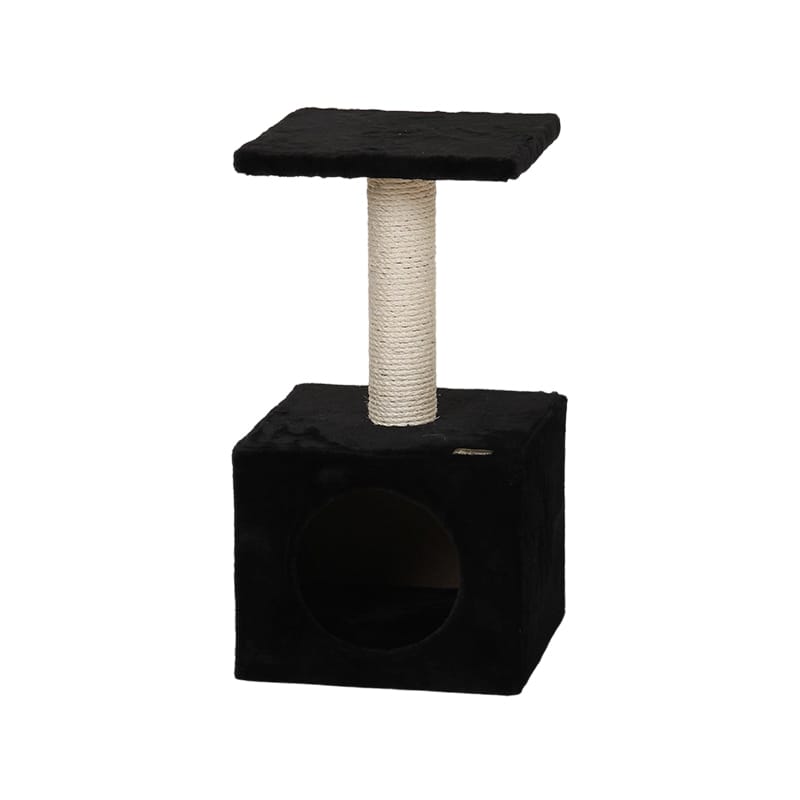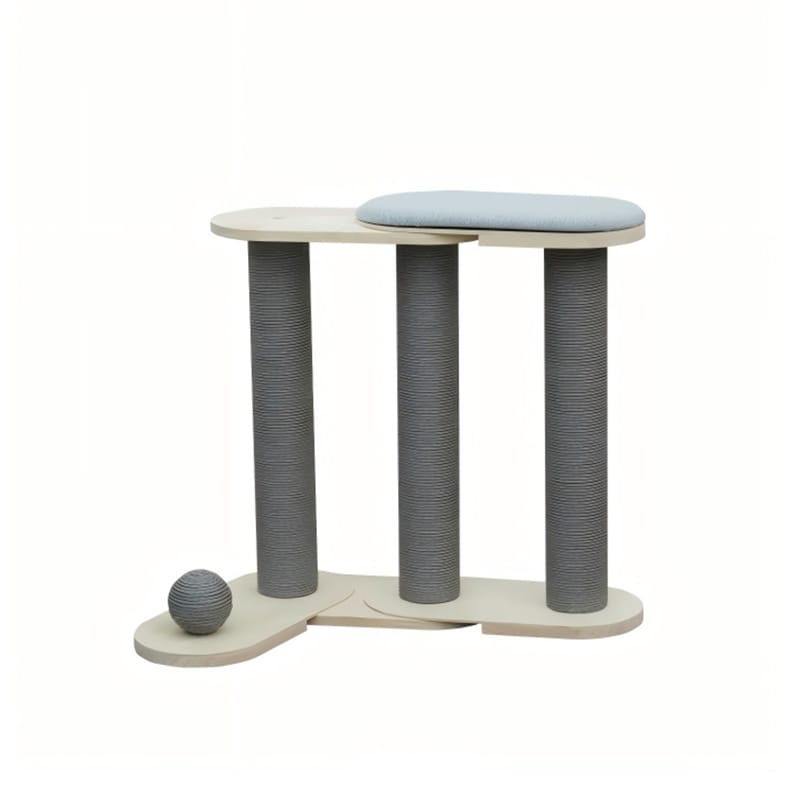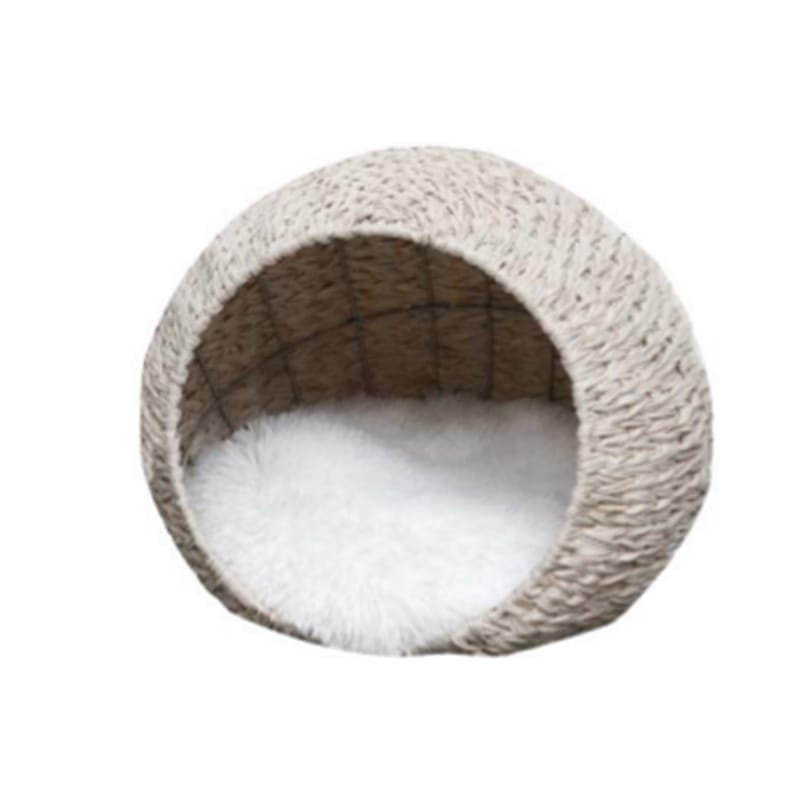
For pet brands, importers, and distributors, cat tree quality control is not a final step that happens after everything is finished. It begins when the first sample is reviewed, continues through material selection, and becomes most valuable when the buyer and factory agree on measurable inspection points before bulk production. A cat tree may look simple in a product photo, but it contains posts, platforms, fabric, sisal, hardware, cushions, toys, cartons, and assembly instructions. Every part can affect customer experience.
Good cat tree quality control helps buyers reduce wobbling, weak connections, loose fabric, unclear instructions, and packaging damage. It also helps factories understand which details matter most to the target market. This guide focuses on practical checks that buyers can use when developing OEM cat furniture with a manufacturer such as Hanyang, especially for products in the cat climbing frame and cat furniture categories.
Why Quality Control Starts Before Production
Many problems in cat furniture are easier to prevent than to repair. If a base is too narrow, cat tree quality control after production can only identify the risk; it cannot change the design without remaking parts. If a cushion does not fit properly, the factory may need to adjust cutting patterns or fixing methods. If the carton does not protect visible wood panels, shipping damage may become a repeat issue.
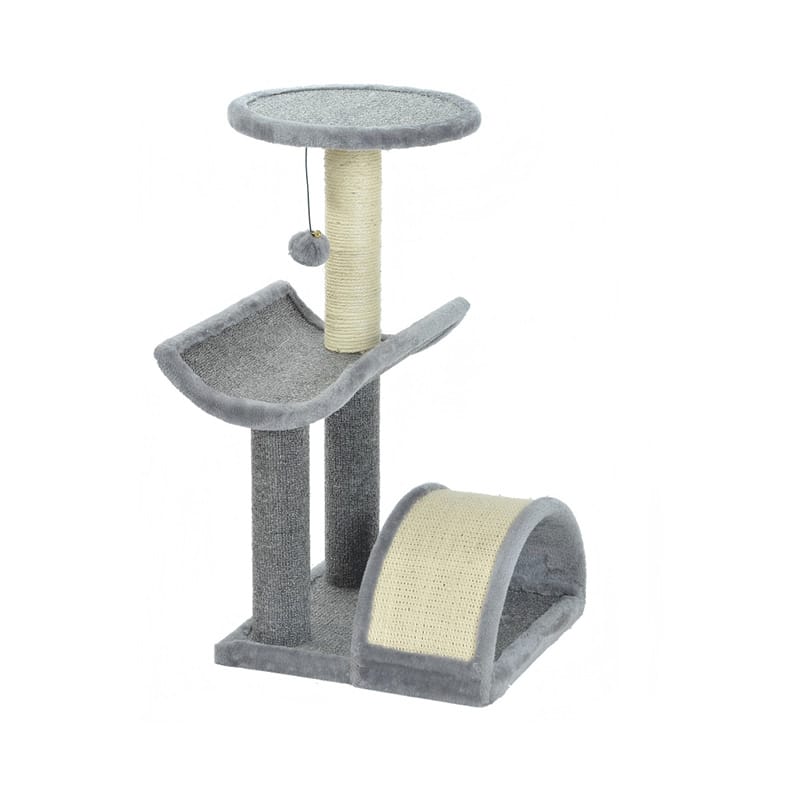
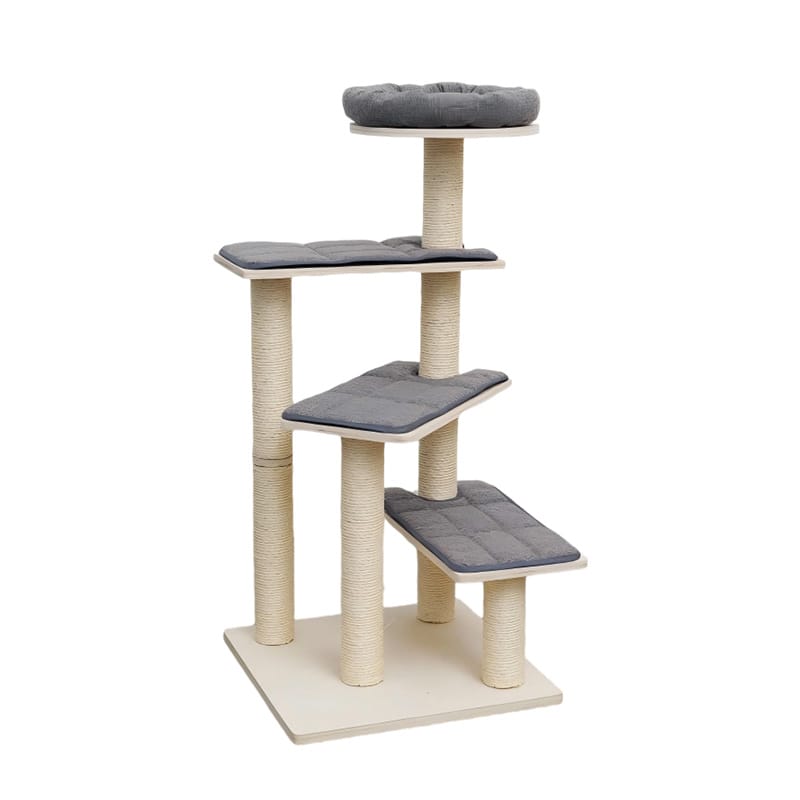
Buyers should treat cat tree quality control as a development system. Start by defining product use: compact apartment tree, multi-level cat tower, heavy-duty model, wooden design, scratching post, or cat bed combination. Then check whether the sample supports the intended use. For example, the multi-functional cat tree combines posts, platforms, and a curved scratching board, so inspection should cover climbing route, post stability, fabric fixing, and board angle.
External guidance on indoor enrichment from AAHA reminds buyers that stable scratching, climbing, and resting areas matter for indoor cats. That makes cat tree quality control more than a factory checklist. It is part of whether the product feels safe and useful in a real home.
Structure and Stability Checks
The first inspection area is structure. A cat tree should not wobble easily when a cat jumps, climbs from the side, or scratches with body weight. Cat tree quality control should check base size, center of gravity, platform placement, post height, and screw connection. Tall designs need a stronger base and a logical route between levels. Small products still need enough balance to feel secure.
A practical sample test is simple: assemble the product fully, place it on a flat floor, and push it gently from different directions. Check whether the top platform moves too much, whether the posts twist, and whether the base lifts. For large-cat or multi-cat products, this step is even more important. Buyers can also review Hanyang’s article on cat tree design for large cats to understand why platform size and base balance affect user confidence.
| Inspection Point | What to Check | Why It Matters |
|---|---|---|
| Base | Width, thickness, weight, and flatness | Reduces tipping and wobbling |
| Posts | Vertical alignment and firm connection | Supports scratching and climbing |
| Platforms | Usable size and edge finish | Improves comfort and safety |
| Cat cave | Opening size and internal space | Makes hiding areas functional |
| Hardware | Screw fit and insert strength | Prevents loose assembly |
Material and Surface Inspection
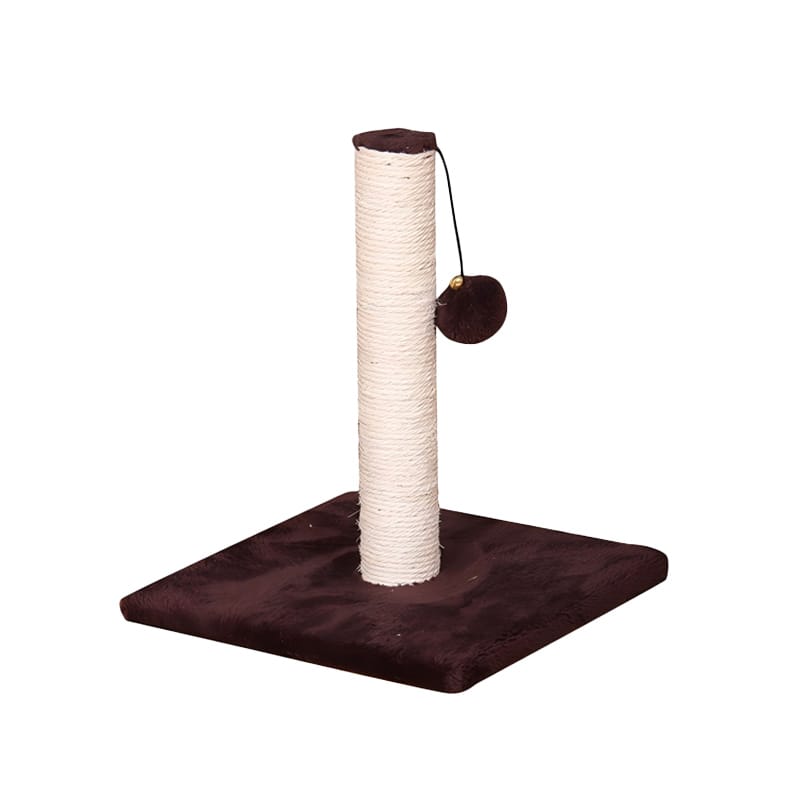
Material checks should cover both appearance and function. Cat tree quality control for plush fabric should look at density, softness, color consistency, trimming, and adhesive or staple finish. Sisal inspection should check wrapping tightness, rope texture, exposed ends, and whether the post remains firm after repeated movement. Wood or MDF components should be checked for smooth edges, clean coating, and visible scratches.
Scratching materials deserve special attention because they receive heavy daily use. International Cat Care explains that scratching is normal cat behavior, which means the scratching surface must be placed and built for real use, not decoration. When buyers inspect a sisal cat scratcher, they should check whether the sisal is tall enough for stretching, whether the surface grips naturally, and whether the post is stable.
Assembly and Hardware Review
Assembly is where many customer complaints begin. Cat tree quality control should check whether the instruction manual is clear, whether parts are labeled, whether screw holes align, and whether ordinary users can complete assembly without special tools. A product can be well designed but still receive negative feedback if the customer cannot assemble it smoothly.
Buyers should assemble the sample exactly as an end user would. Do not let the factory pre-fix hidden issues before inspection. If a screw feels forced, a post does not stand straight, or a platform requires pressure to align, record the issue before confirming bulk production. A useful cat tree quality control checklist should include photos of each issue, not only written notes.
For products with replaceable cushions, toys, or posts, buyers can also read the guide on replaceable cat tree parts. Serviceable parts are valuable only when the connection remains secure during daily use.
Packaging and Final Review
Packaging is part of cat tree quality control because a product is not successful until it arrives in usable condition. Wooden panels need corner protection. Plush parts need clean packing. Hardware bags should be sealed and labeled. Instructions should be easy to find. Cartons should be strong enough for the intended shipping route and product weight.
Buyers who use international standards as a general reference can review quality management principles from ISO 9001, while packaging and wood-related sourcing discussions may also involve documentation concepts from the Forest Stewardship Council. These references should not replace product-specific inspection, but they help buyers frame quality conversations more clearly.
Before shipment, cat tree quality control should confirm product count, carton marks, visible finish, assembly parts, barcode or label requirements, and sample consistency. For OEM buyers, it is useful to keep one approved sample and compare later production against it. If the factory and buyer agree on inspection language early, bulk orders become easier to manage.
Another useful step is to create a buyer-side acceptance sheet for each model. The sheet can list the approved sample photos, main dimensions, material names, color references, hardware count, carton layout, and inspection notes. This makes cat tree quality control easier for repeat orders because the buyer is not relying on memory or scattered messages. A clear record also helps new team members understand what has already been approved.
For mixed product lines, cat tree quality control should be adjusted by product type. A wooden cat tree needs closer attention to panel finish and edge smoothness. A plush tower needs fabric, seam, and adhesive checks. A scratcher needs sisal wrapping and post stability checks. A woven bed needs shape and surface checks. In other words, cat tree quality control should be consistent in method but flexible in detail.
For long-term OEM cooperation, cat tree quality control should also be reviewed after the first bulk order. Buyers can compare customer feedback, assembly questions, and any packaging claims with the original checklist. This helps the next round of cat tree quality control become more precise instead of repeating the same general inspection points, and it keeps cat tree quality control connected to real market feedback. That is how cat tree quality control becomes a living process rather than a one-time document.
Conclusion
Cat tree quality control works best when it is specific, practical, and connected to real product use. Buyers should inspect stability, materials, assembly, hardware, packaging, and user instructions before confirming bulk orders. A strong checklist protects both the buyer and the factory because it turns expectations into visible standards.
Hanyang supports OEM and ODM buyers with cat trees, scratchers, cat beds, and pet furniture production. To discuss cat tree quality control requirements for your next product line, explore the product collection or contact the team through the Contact Us page.