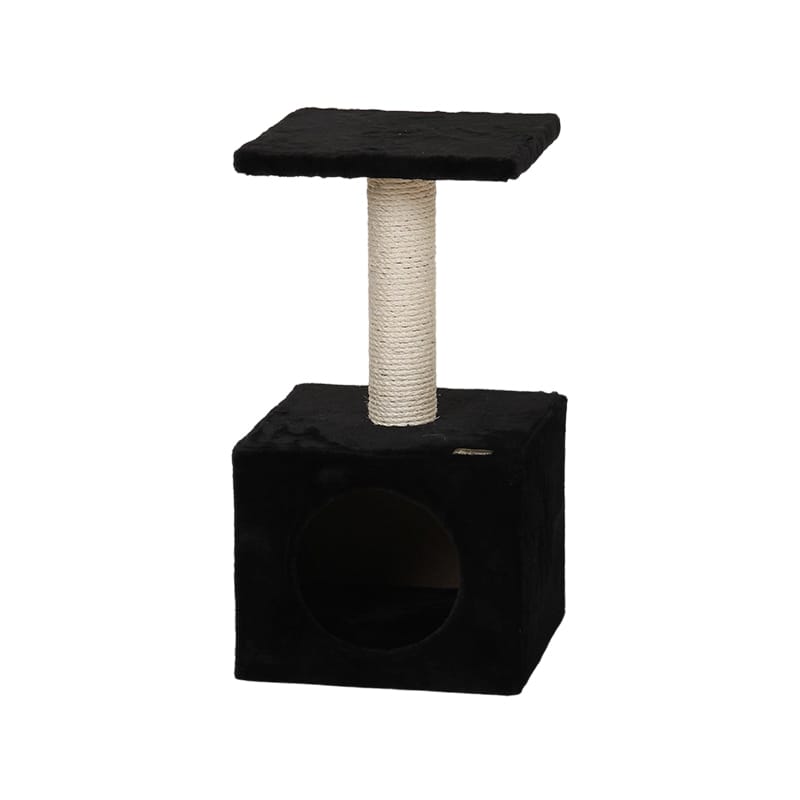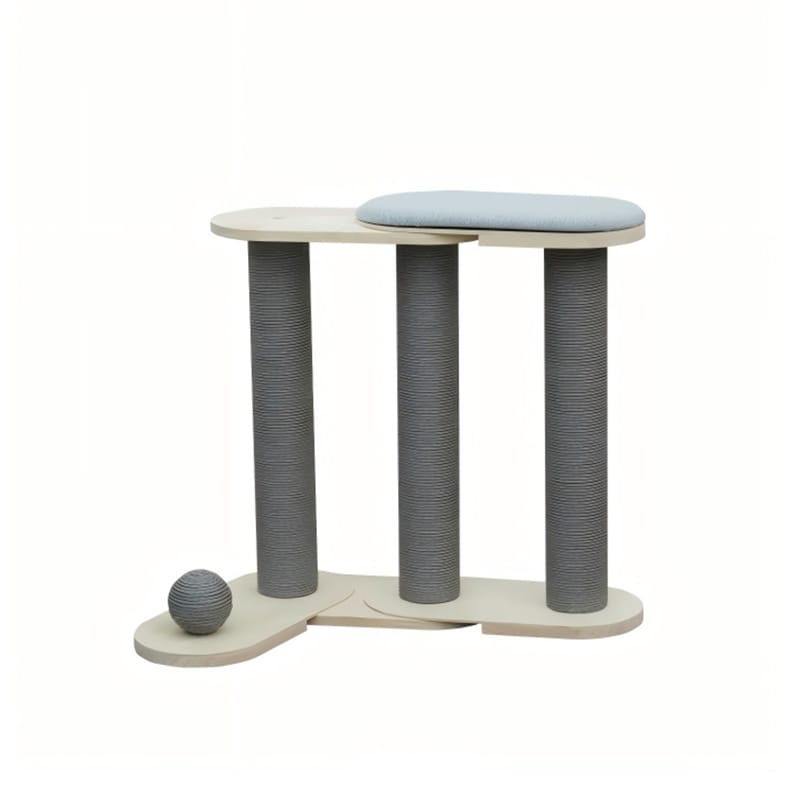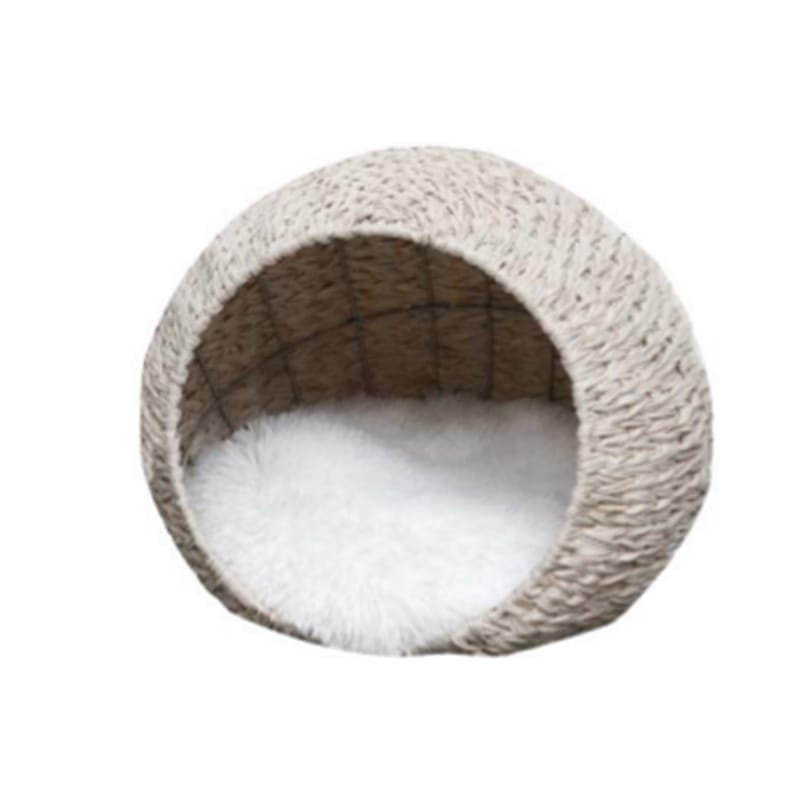
A cat furniture sample is the buyer’s best opportunity to catch design, material, assembly, and packaging issues before bulk production. Photos and drawings are useful, but they cannot show everything. A real sample reveals whether a cat tree wobbles, whether the cushion fits, whether the sisal feels secure, whether the carton protects the product, and whether the instruction manual makes sense.
For OEM buyers, a cat furniture sample should be reviewed as both a pet product and a home product. It needs to support cat behavior, look appropriate indoors, assemble smoothly, and survive normal handling. This guide explains how pet brands, wholesalers, and distributors can evaluate a cat furniture sample before approving bulk orders.
Why Sample Evaluation Matters
The main purpose of a cat furniture sample is to turn expectations into something visible. A buyer may request a stable wooden tree, a compact scratcher, or a woven cat bed, but those phrases are not enough for production. The sample shows actual dimensions, material finish, surface feel, hardware quality, packaging method, and assembly logic. If anything is unclear, it should be corrected before bulk production.
A cat furniture sample also helps buyers compare product claims with practical use. If the product is described as large-cat friendly, does the platform actually support larger cats? If it is designed for small spaces, is the base still stable? If it is sold as easy to assemble, can a normal user understand the instructions? Hanyang’s cat tree quality control checklist can help buyers turn these questions into repeatable inspection points.
External guidance from International Cat Care explains why scratching is a normal cat behavior. This matters during sample review because a cat furniture sample should not only look attractive. It should provide a stable, usable scratching area that cats can recognize and use comfortably.
Start With the Product Purpose
Before inspecting details, buyers should define the role of the cat furniture sample. A compact scratcher, a tall cat tree, a wooden furniture-style tower, and a resting-focused cat bed all need different evaluation standards. If the product purpose is unclear, the sample review becomes a list of personal opinions instead of a useful production decision.
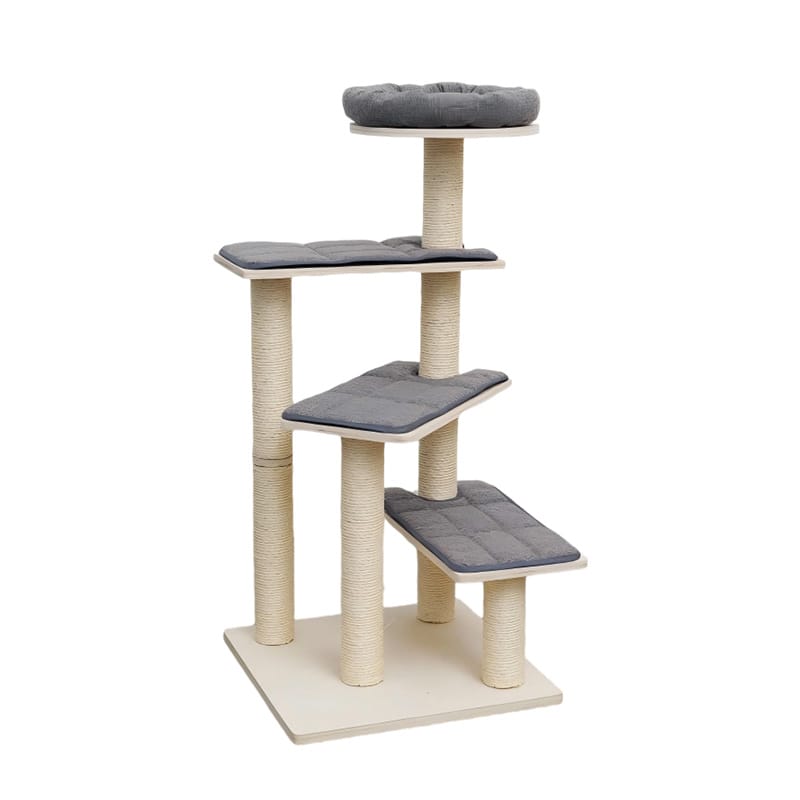
For example, a small cat tree with pure sisal should be reviewed for compact stability, scratching angle, and space efficiency. A multi layer solid wood cat tree should be reviewed for frame strength, wood finish, cushion fit, and platform comfort. The same cat furniture sample checklist should be adapted to the product’s actual use.
Buyers should also compare the cat furniture sample with the original brief. If the brief asked for a natural home style, the sample should not only be stable; it should also match the expected visual language. If the brief asked for easy cleaning, removable cushions or simple fabric surfaces should be checked carefully. A cat furniture sample is successful only when it matches both the functional requirement and the market position.
It is useful to create a simple sample review sheet before the cat furniture sample arrives. The sheet can list product purpose, target cat size, main materials, expected dimensions, packaging needs, and special customization details. This makes the review more objective because the buyer is checking the sample against agreed requirements, not reacting only by feeling.
| Product Type | Main Review Focus | Common Risk |
|---|---|---|
| Compact scratcher | Post stability and scratching surface | Base too light |
| Wooden cat tree | Frame, finish, and cushion fit | Visible scratches or loose pads |
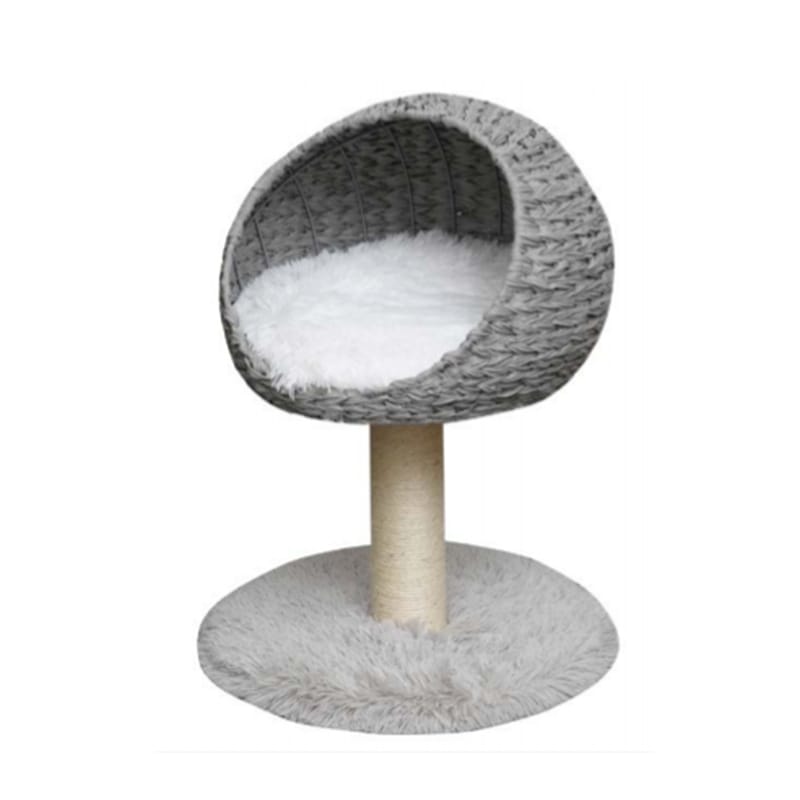
| Woven cat bed | Shape, support, and removable mat | Uneven surface or weak support |
| Large cat tree | Base width and platform size | Wobbling at upper levels |
Inspect Structure, Materials, and Assembly
The structure review should begin with stability. Assemble the cat furniture sample fully, place it on a flat floor, and check whether the base sits evenly. Push the product gently from several directions. Watch whether posts twist, platforms shift, or the upper levels move too much. For tall designs, stability is not a detail; it is the foundation of customer confidence.
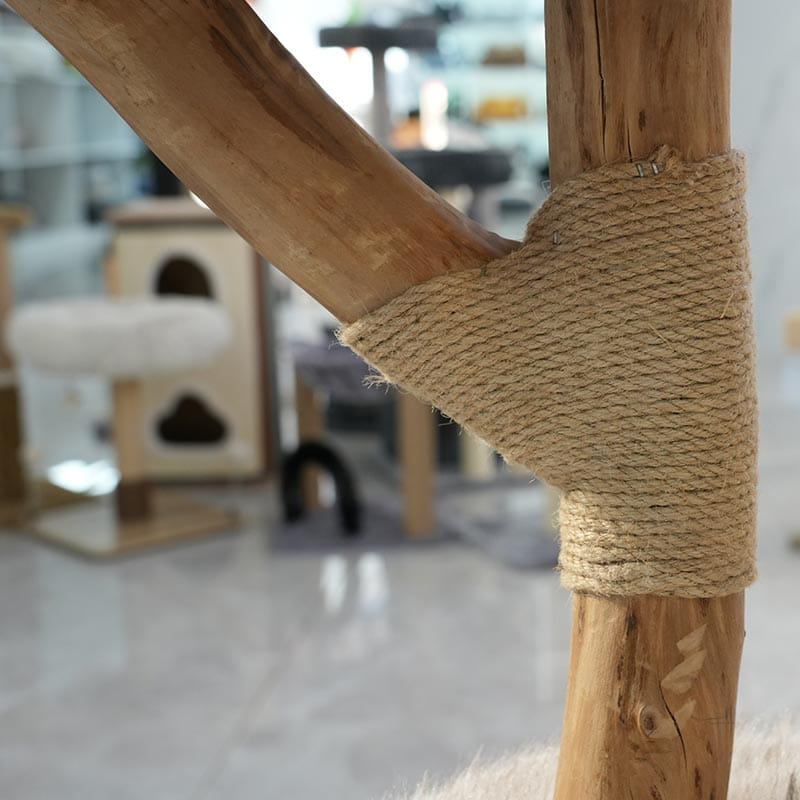
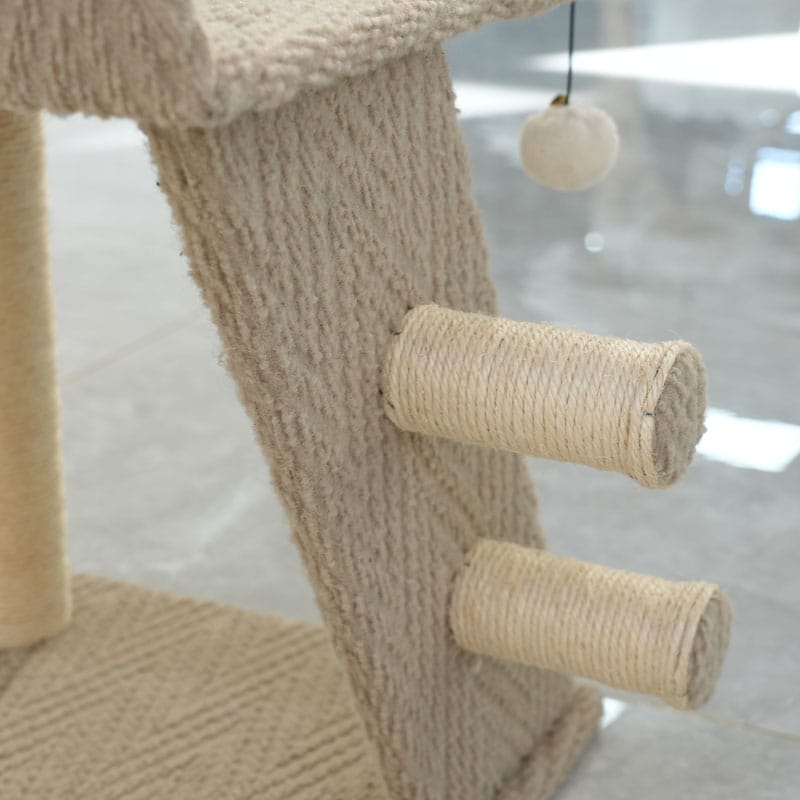
Next, inspect materials. Sisal should be wrapped tightly, with clean ends and a texture suitable for scratching. Plush fabric should be clean, even, and securely attached. Wood panels should have smooth edges and a consistent finish. Woven surfaces should keep their shape. If the cat furniture sample includes removable cushions or replaceable parts, check whether they fit well and stay in place during use.
Assembly is just as important as appearance. A cat furniture sample should be assembled like a customer would assemble it, not by a factory worker who already knows the product. Check whether holes align, screws fit smoothly, hardware is complete, and the instruction manual matches the actual parts. If assembly requires forcing a part into place, the issue should be corrected before production.
For larger products, buyers can review Hanyang’s large cat tree stability guide. For serviceable product ideas, the guide to replaceable cat tree parts is also useful. A cat furniture sample should show whether those design ideas are practical in the real product.
Review Packaging and Instructions
A cat furniture sample should be reviewed in its packaging, not only after assembly. The carton should protect visible surfaces, separate hard parts from soft parts, organize hardware clearly, and keep the instruction sheet easy to find. Hanyang’s cat tree packaging guide explains why packaging should be planned during product development instead of at the end.
Buyers can also reference general packaging performance concepts from the International Safe Transit Association. For quality process discussions, ISO 9001 provides general language around process control. These references do not replace product-specific review, but they help buyers discuss packaging and inspection with suppliers more professionally.
When unpacking the cat furniture sample, take photos at each step. This creates a record of the approved packing method. If the bulk order later uses a different carton layout or protection material, the buyer can identify the change quickly.
Turn Feedback Into Production Standards
Sample feedback should be specific and visual. Instead of writing “make it stronger,” explain which post moved, which base dimension needs review, or which platform felt unstable. Instead of writing “fabric quality is not good,” identify color difference, uneven trimming, loose covering, or surface marks. A cat furniture sample review becomes useful only when the factory can act on it.
After corrections are made, buyers should request updated photos or a second cat furniture sample when the change affects structure, appearance, or packaging. Small wording changes in the manual may not need another full sample, but changes to post height, base size, cushion shape, or carton layout usually deserve careful confirmation.
A second cat furniture sample is especially important when the first sample reveals a structural issue. If a base is enlarged, a post is changed, or a platform is repositioned, the whole product balance may change. Buyers should not approve bulk production based only on written confirmation when the change affects safety, usability, or visible quality.
The approved cat furniture sample should become the production reference. Buyers should keep photos, dimensions, material notes, hardware lists, packaging photos, and final comments together. This creates a practical standard for later orders and helps avoid repeated discussions. If the project is part of a larger OEM program, this record also helps future product updates.
The record should include both assembled and packed views. An assembled cat furniture sample shows how the product looks and functions. A packed cat furniture sample shows whether the parts are protected and organized. Both views matter because customer satisfaction depends on what arrives in the carton and how the product performs after assembly.
For buyers developing several models at once, it is useful to compare samples side by side. A product line should feel consistent in quality, color direction, material level, and assembly logic. Hanyang’s cat furniture product line planning guide can help buyers decide whether each sample has a clear role in the collection.
Side-by-side review also helps buyers identify hidden inconsistencies. One cat furniture sample may use a softer cushion, another may use a different screw finish, and another may have a slightly different fabric tone. These small differences can be acceptable when intentional, but they should not happen by accident. A careful cat furniture sample review keeps the final product line coherent.
Conclusion
A cat furniture sample is more than a preview. It is the bridge between an idea and bulk production. Buyers should review purpose, structure, materials, assembly, packaging, instructions, and documentation before confirming an order. The more specific the sample review, the easier it is for the factory to deliver consistent products.
Hanyang supports OEM and ODM buyers with cat trees, scratchers, cat beds, and custom pet furniture development. To discuss a cat furniture sample for your next product line, explore the product collection or contact the team through Contact Us.