Table of Contents
- Define the commercial objective before the load plan
- Build one verified carton data table
- Calculate cube and weight as separate limits
- Place heavy stable cartons low
- Protect mixed shapes from movement
- Sequence loading for counting and unloading
- Reconcile the physical load with documents
- Learn from arrival condition and sell-through
- Useful resources for the next review
- Frequently Asked Questions
A mixed container is an assortment decision expressed in three dimensions. The plan must reconcile sellable SKU quantities with carton cube, gross weight, stacking limits, loading sequence, destination needs, and accurate shipping documents.
mixed container cat furniture is the focus of this guide because the buyer is trying to plan mixed-container quantities using carton data, weight, protection, loading sequence, and document reconciliation. The discussion follows the decisions that actually change product performance, customer use, inspection evidence, and repeat-order consistency.
Define the commercial objective before the load plan
A buyer can separate appearance from performance by checking launch breadth, replenishment depth, destination split, priority SKUs, arrival sequence, and inventory cover. perfect cube utilisation can create the wrong inventory mix.
freeze the planning unit as sellable cartons rather than loose products. rank quantity constraints and acceptable substitutions. The approval record for mixed container cat furniture should therefore state rank quantity constraints and acceptable substitutions and identify who accepted the result.
mixed container cat furniture becomes a practical sourcing control in define the commercial objective before the load plan when the team checks launch breadth, replenishment depth, destination split, priority SKUs, arrival sequence, and inventory cover.
For this stage of mixed container cat furniture, the approval note should explain rank quantity constraints and acceptable substitutions and retain freeze the planning unit as sellable cartons rather than loose products.
Build one verified carton data table
During development, pay particular attention to SKU, carton count per unit, external dimensions, gross weight, orientation, stack limit, and fragile zones. version the table with packaging changes.
measure approved packed samples and state units clearly. catalogue dimensions may differ from final packed production. This keeps mixed container cat furniture focused on SKU, carton count per unit, external dimensions, gross weight, orientation, stack limit, and fragile zones, the issue most likely to change the decision in this section.
mixed container cat furniture becomes a practical sourcing control in build one verified carton data table when the team checks SKU, carton count per unit, external dimensions, gross weight, orientation, stack limit, and fragile zones.
For this stage of mixed container cat furniture, the approval note should explain measure approved packed samples and state units clearly and retain version the table with packaging changes.
Calculate cube and weight as separate limits
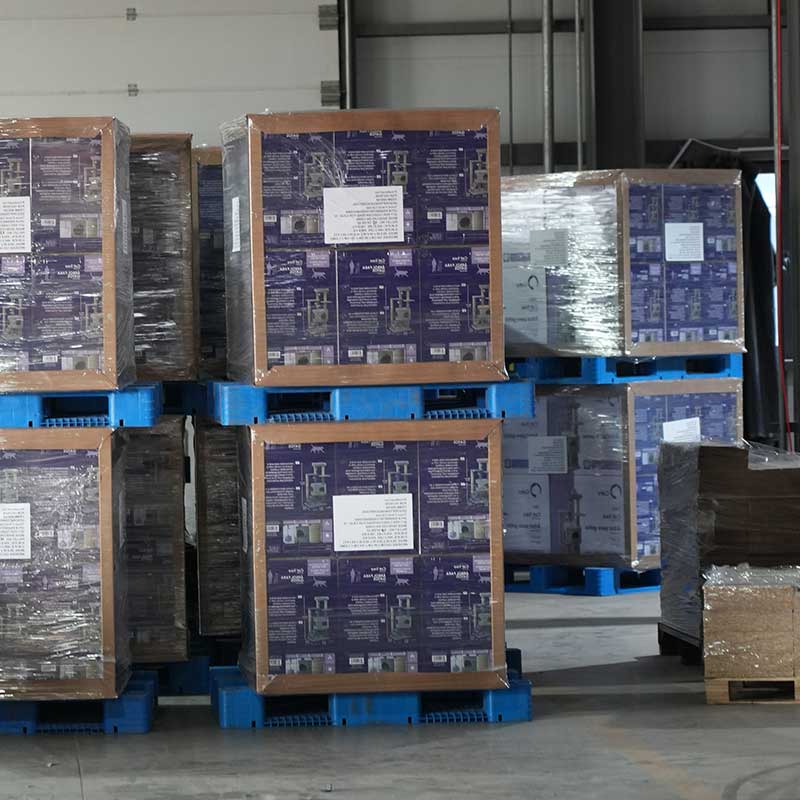
The strongest decision signal comes from carton volume, nominal container capacity, usable space, gross cargo weight, axle or road considerations, and dunnage. model both constraints and leave operational allowance.
have the logistics provider confirm route-specific restrictions. a light bulky assortment and a dense assortment fail for different reasons. For repeat orders, mixed container cat furniture should preserve this conclusion through have the logistics provider confirm route-specific restrictions.
mixed container cat furniture becomes a practical sourcing control in calculate cube and weight as separate limits when the team checks carton volume, nominal container capacity, usable space, gross cargo weight, axle or road considerations, and dunnage.
For this stage of mixed container cat furniture, the approval note should explain model both constraints and leave operational allowance and retain have the logistics provider confirm route-specific restrictions.
Place heavy stable cartons low
For this product type, the critical issue is carton strength, weight, footprint, stacking orientation, crush risk, and floor loading. filling gaps with a heavy carton above soft lightweight packs invites damage.
create load layers around support and weight transfer. mark cartons that must remain upright. A useful review of mixed container cat furniture turns the finding into an action: create load layers around support and weight transfer.
mixed container cat furniture becomes a practical sourcing control in place heavy stable cartons low when the team checks carton strength, weight, footprint, stacking orientation, crush risk, and floor loading.
| Decision area | What to examine | What to do | Record to retain |
|---|---|---|---|
| Build one verified carton data table | SKU, carton count per unit, external dimensions, gross weight, orientation, stack limit, and fragile zones | measure approved packed samples and state units clearly | Primary question |
| Calculate cube and weight as separate limits | a light bulky assortment and a dense assortment fail for different reasons | have the logistics provider confirm route-specific restrictions | Likely failure |
| Place heavy stable cartons low | create load layers around support and weight transfer | carton strength, weight, footprint, stacking orientation, crush risk, and floor loading | Buyer action |
| Protect mixed shapes from movement | review the door area before closing the container | high theoretical fill does not prevent lateral shifting | Approval evidence |
Protect mixed shapes from movement
Treat voids, incompatible footprints, protrusions, doors, moisture mitigation, restraint, and unloading stability as a design input, not a final-inspection detail. review the door area before closing the container.
high theoretical fill does not prevent lateral shifting. use route-appropriate dunnage and secure incomplete layers. That evidence lets importers loading several cat furniture SKUs into one sea-freight container revisit mixed container cat furniture without depending on memory or an unlabeled prototype.
mixed container cat furniture becomes a practical sourcing control in protect mixed shapes from movement when the team checks voids, incompatible footprints, protrusions, doors, moisture mitigation, restraint, and unloading stability.
Sequence loading for counting and unloading
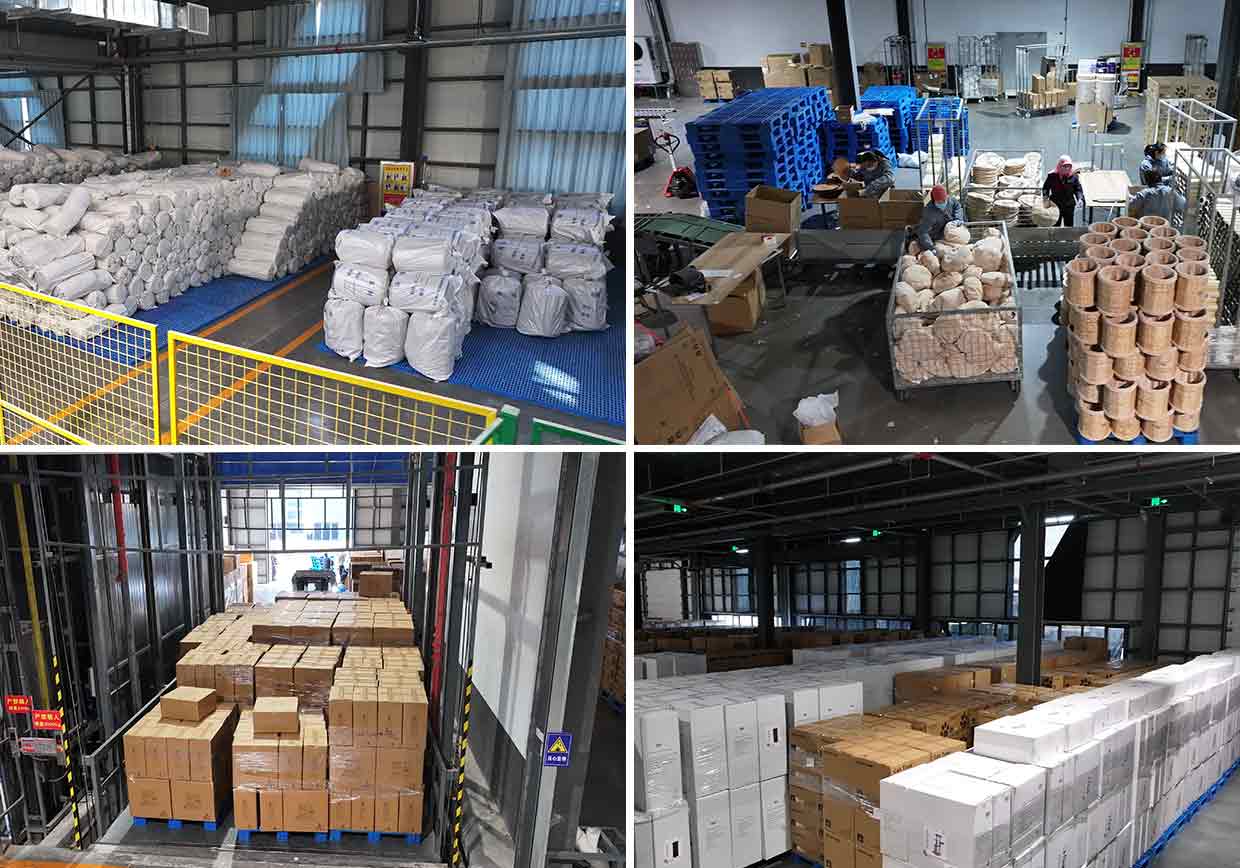
A useful review starts with SKU grouping, destination, priority access, visible labels, tally points, and load photograph. use a bay plan and record each completed section.
random gap filling makes shortages and unloading errors difficult to detect. keep door-side cartons aligned with the receiving plan. The team can then connect mixed container cat furniture with sequence loading for counting and unloading in the current specification revision.
mixed container cat furniture becomes a practical sourcing control in sequence loading for counting and unloading when the team checks SKU grouping, destination, priority access, visible labels, tally points, and load photograph.
Useful resources for the next review
Related pages on this site include cat tree packaging guide, ODM cat furniture development guide, cat furniture sample evaluation guide, contact the product team. Use them to connect this decision with sample approval, product development, packaging, and supplier communication.
Authoritative starting points include IPPC ISPM 15 resource, GS1 barcode standards, ISO 2859-1 acceptance-sampling overview, EU product safety information. Applicability depends on the product, material, destination, and claims, so confirm current requirements with qualified specialists rather than treating a general webpage as product-specific approval.
Reconcile the physical load with documents
Begin with purchase order, packing list, carton marks, quantities, net and gross weight, volume, and container number. a sound load can still be delayed when records disagree.
complete a final tally from loaded cartons. correct all connected documents from one authorised dataset. For importers loading several cat furniture SKUs into one sea-freight container, this makes mixed container cat furniture a documented product choice connected to reconcile the physical load with documents.
mixed container cat furniture becomes a practical sourcing control in reconcile the physical load with documents when the team checks purchase order, packing list, carton marks, quantities, net and gross weight, volume, and container number.

Learn from arrival condition and sell-through
The practical starting point is carton damage, shifting, moisture, shortages, unloading effort, SKU cover, and replenishment need. capture receiving evidence and commercial outcomes.
the first mixed load is a hypothesis about both logistics and demand. adjust the next SKU mix and loading rule separately. In this context, mixed container cat furniture is credible when the team can trace the result back to adjust the next SKU mix and loading rule separately.
mixed container cat furniture becomes a practical sourcing control in learn from arrival condition and sell-through when the team checks carton damage, shifting, moisture, shortages, unloading effort, SKU cover, and replenishment need.
Frequently Asked Questions
What data is needed for a mixed cat furniture container?
rank quantity constraints and acceptable substitutions freeze the planning unit as sellable cartons rather than loose products For this question, mixed container cat furniture depends on launch breadth, replenishment depth, destination split, priority SKUs, arrival sequence, and inventory cover, and the accepted answer belongs in the controlled product record.
Should cube or weight determine the limit?
measure approved packed samples and state units clearly version the table with packaging changes For this question, mixed container cat furniture depends on SKU, carton count per unit, external dimensions, gross weight, orientation, stack limit, and fragile zones, and the accepted answer belongs in the controlled product record.
How should different carton sizes be stacked?
model both constraints and leave operational allowance have the logistics provider confirm route-specific restrictions For this question, mixed container cat furniture depends on carton volume, nominal container capacity, usable space, gross cargo weight, axle or road considerations, and dunnage, and the accepted answer belongs in the controlled product record.
Why does loading sequence matter?
create load layers around support and weight transfer mark cartons that must remain upright For this question, mixed container cat furniture depends on carton strength, weight, footprint, stacking orientation, crush risk, and floor loading, and the accepted answer belongs in the controlled product record.
Which documents must match the physical load?
use route-appropriate dunnage and secure incomplete layers review the door area before closing the container For this question, mixed container cat furniture depends on voids, incompatible footprints, protrusions, doors, moisture mitigation, restraint, and unloading stability, and the accepted answer belongs in the controlled product record.
Balance assortment value with a load that survives transit
A strong mixed-container plan links commercial priorities, verified carton data, cube, weight, stacking, restraint, loading sequence, and one reconciled shipping dataset. Contact the product team with the target market, intended user, dimensions, materials, packaging format, and the decisions that still need technical confirmation.